


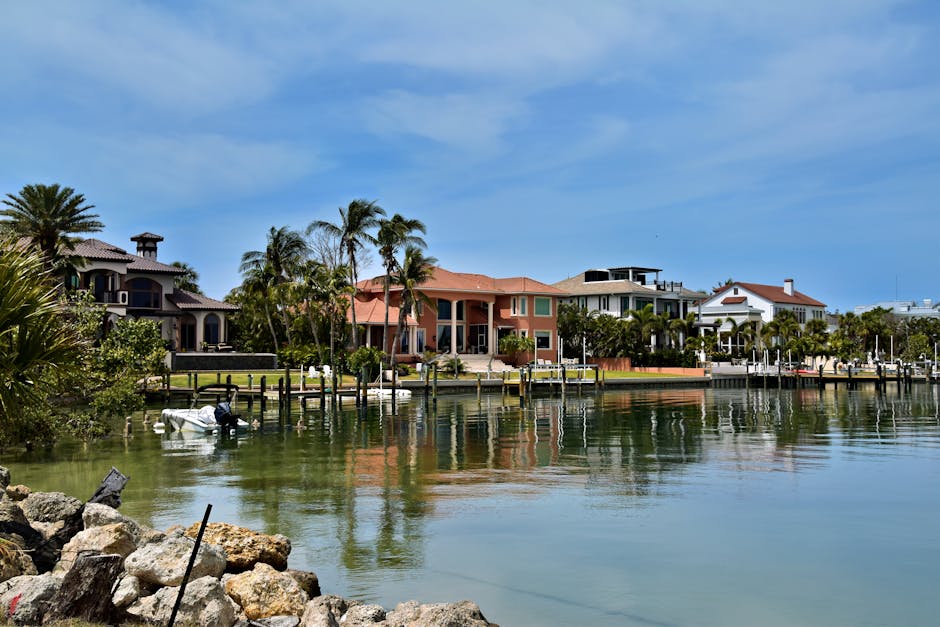
The Transition Toward a Primary Luxury Destination
For decades, the Tampa Bay region was often categorized as a secondary market—a destination for seasonal residents and retirees. However, as we move through the second quarter of 2026, that narrative has fundamentally shifted. High-net-worth individuals are no longer just visiting; they are relocating permanently, bringing a sophisticated demand that has transformed the local real estate landscape. This migration is driven by a combination of favorable tax environments, robust corporate growth, and a significant upgrade in local infrastructure that supports a high-caliber professional lifestyle. Unlike the speculative bubbles of the past, the current movement is grounded in long-term capital investment and a desire for primary residency.
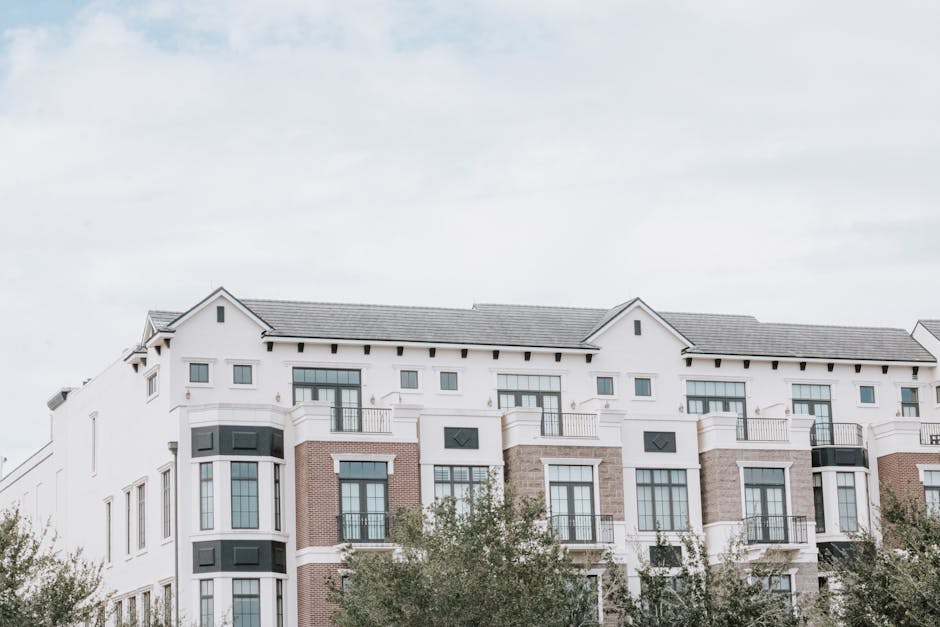
As noted by The National Law Review, the Tampa waterfront has officially emerged as a primary luxury market, rivaling established hubs in South Florida and the Northeast. This transition is visible in the caliber of architecture and the scale of domestic services now available in neighborhoods like Davis Islands and Culbreath Isles. Buyers are prioritizing functional, expansive floor plans that accommodate remote executive work while maintaining direct access to the water. The shift from ‘vacation home’ to ‘headquarters’ has led to a tighter correlation between luxury housing and regional economic performance, making the market more resilient yet increasingly complex for unguided buyers.
Current inventory data reflects this maturation. With approximately 120 active luxury listings and a median list price holding steady at $2,499,000, the market demonstrates a balanced but competitive environment. We are seeing a distinct preference for turnkey properties that avoid the delays of the current supply chain for high-end finishes. Properties such as the estate on Troutwater Lane, priced at $2,650,000, illustrate the demand for modern aesthetics coupled with established neighborhood security. Buyers are increasingly analytical, looking past the initial visual appeal to evaluate the structural integrity and long-term appreciation potential of their acquisitions.
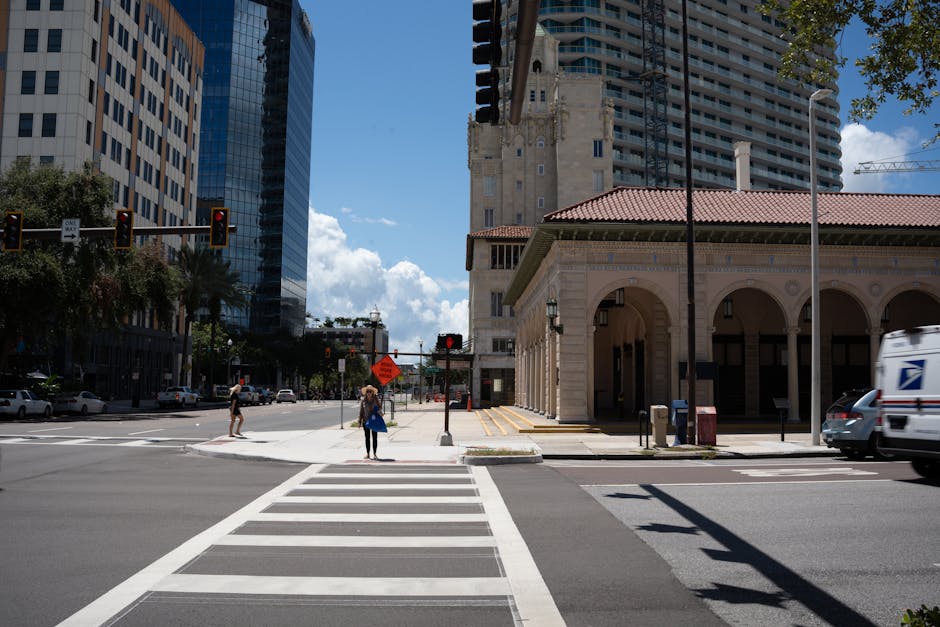
Waterfront Scarcity and the New Performance Benchmarks
The allure of the Tampa coastline remains the primary driver of record-breaking valuations. However, the definition of ‘prime waterfront’ has expanded. While Bayshore Boulevard continues to serve as the region’s prestigious spine, savvy investors are looking toward the deeper-water lots of Beach Park and the secluded peninsulas of South Tampa. The record-breaking sales of 2025, as analyzed by the Tampa Bay Times, underscore a trend where lot value and elevation have become as critical as the square footage of the home itself. Buyers are now conducting more rigorous due diligence regarding coastal resilience and long-term maritime access.
This scarcity is not just about the availability of land but the availability of ‘buildable’ land that meets modern standards. Many older estates are being viewed primarily as teardown opportunities, where the value lies in the dirt and the existing dockage. This has created a two-tier market: the legacy homes that require significant modernization and the ‘new-classic’ estates that incorporate advanced flood mitigation and smart-home integration. For the advisor, the task is often helping clients differentiate between a property with historical charm and one that represents a mounting liability in a changing climate. High-end buyers are increasingly moving away from ‘fixer-uppers’ in favor of architecturally significant new builds.
The behavioral shift is also evident in how buyers approach the ‘lifestyle’ component of waterfront living. It is no longer enough to have a view; there is a demand for private infrastructure, including multi-slip docks and advanced security perimeters. As the region hosts more high-profile events—ranging from international festivals to major sporting weekends that draw tens of thousands of visitors—the value of a private, secure retreat becomes even more pronounced. The ability to retreat to a quiet estate in a neighborhood like Beach Park while remaining minutes from the urban core is a luxury that continues to command a significant premium.
The High-Rise Evolution: Early-Stage Condo Maturation
Tampa is currently in a unique phase of its urban development, often described as an early-stage luxury condo market. Unlike Miami or New York, where the high-rise landscape is saturated, Tampa is just beginning to define its vertical luxury identity. This presents a strategic window for buyers who recognize the value of managed, high-amenity living before the market reaches full maturity. According to Tampa Bay Business & Wealth, this phase allows for a more personalized level of service and a focus on boutique-style developments rather than anonymous glass towers.
Developments like Marina Pointe have set new standards, recently winning multiple property awards for excellence in luxury waterfront living, as reported by PR Newswire. These projects are successful because they understand the Tampa buyer: someone who wants the convenience of a condo but the space and privacy of a single-family home. Features like private elevator lobbies, expansive terraces with outdoor kitchens, and 24-hour concierge services are no longer optional additions; they are the baseline requirements for this new class of urban dwelling. This maturation is also driving a shift in the Westshore and Water Street districts, where luxury condos are becoming the preferred choice for ’empty-nesters’ transitioning from larger estates in areas like Avila.
Strategic buyers are also looking at the surrounding commercial infrastructure. The success of a luxury high-rise in Tampa is increasingly tied to its walkability and its proximity to high-end retail and dining. As the city prepares for a busy spring season of events and concerts, the convenience of avoiding heavy traffic through pedestrian-friendly urban design is becoming a tangible asset. The condo market is evolving from a secondary option to a primary lifestyle choice for executives who value time and security above all else. This trend is expected to continue as more corporate headquarters relocate to the downtown core, creating a permanent demand for high-end vertical housing.
Strategic Diligence for the Affluent Buyer
Buying in the upper echelons of the Tampa market requires a different set of metrics than a standard residential transaction. The complexity of local zoning, historic district overlays, and maritime law means that a ‘standard’ inspection is rarely sufficient. A sophisticated advisor must look at the property through the lens of a risk manager. This involves verifying not just the current condition of the home, but the future development plans for neighboring parcels and the long-term viability of the local infrastructure. In a city growing as fast as Tampa, what is a quiet cul-de-sac today could be a major thoroughfare tomorrow.
The recent proposal for a 300-home development in nearby Lakewood Ranch, as detailed by The Business Journals, serves as a reminder that the broader regional growth impacts local traffic and service availability. Buyers must consider how these larger developments influence their day-to-day life, from commute times to the availability of private school placements. High-net-worth diligence in 2026 is as much about the surrounding ‘ecosystem’ as it is about the four walls of the residence. We recommend a comprehensive review process before any commitment is made.
- Verification of FEMA elevation certificates and recent flood map revisions.
- Analysis of historic district restrictions in neighborhoods like Hyde Park and Seminole Heights.
- Evaluation of seawall integrity and riparian rights for all waterfront parcels.
- Review of planned commercial developments within a three-mile radius.
- Assessment of private school waitlists and proximity to elite healthcare facilities.
- Verification of high-speed fiber availability and home-office infrastructure.
This checklist represents the minimum threshold for a secure investment. For example, a property on Gardner Road listed at $3,000,000 might offer exceptional acreage, but its value is contingent upon its ability to remain secluded amidst the rapid expansion of the northern suburbs. Understanding the ‘path of progress’ is essential for maintaining privacy and ensuring that a luxury estate remains an asset rather than a liability in a densifying region. Data-backed decisions are the only way to navigate this environment successfully.
The Nuance of Neighborhood Identity
While the broader market stats give a general direction, the true opportunities are found at the neighborhood level. Hyde Park continues to attract those who value historic preservation and walkability to the high-end retail of South Howard. Here, the market is characterized by a lack of inventory and a high level of off-market ‘pocket’ listings. Buyers in Hyde Park are often looking for the quintessential Tampa experience: brick-paved streets, canopy oaks, and a sense of community that is hard to replicate in newer developments. This creates a high barrier to entry and a very stable floor for property values.
Contrast this with the growth in areas like Westchase or the newer estates in North Tampa, where the focus shifts toward larger lot sizes and modern amenities. As noted by Florida Trend, the expansion of the luxury footprint is pushing into areas that were previously considered mid-market. This ‘luxury sprawl’ is creating new pockets of value, particularly for those who prioritize newer construction and club-style amenities over historic charm. The decision between a historic Hyde Park bungalow and a modern North Tampa estate often comes down to a choice between cultural proximity and private space.
Beach Park and Culbreath Isles remain the gold standard for those who require both water access and proximity to the Westshore business district. These areas have seen a significant amount of ‘re-development,’ where older ranch-style homes are being replaced by multi-story modern estates. This constant renewal keeps the neighborhood fresh and ensures that property values remain among the highest in the state. For the sophisticated buyer, understanding these micro-market dynamics is the key to identifying value before it is fully priced into the public MLS data.
Supply Dynamics and the Advisor’s Role
The current market, with an average list price of $3,236,045, requires a surgical approach to negotiation. With only 120 active units in the true luxury tier, buyers do not have the luxury of waiting for the ‘perfect’ property to sit on the market. In many cases, the most desirable estates are sold before they ever reach a public portal. This is where the role of the private advisor becomes critical. It is about access to information and the ability to move quickly when a property that meets a specific set of criteria becomes available. The advisor acts as a filter, removing the noise of the general market and focusing only on the opportunities that align with the client’s long-term strategy.
We are also seeing a shift in how sellers approach the market. There is a greater emphasis on professional staging, architectural photography, and targeted digital marketing that reaches an international audience. The ‘global’ nature of the Tampa buyer means that a property must be presented at a world-class level to command a top-tier price. For buyers, this means they are often competing with capital from around the world, not just local residents. Understanding the motivations of these diverse buyer profiles is essential for crafting a winning offer in a multi-bid scenario.
Ultimately, the Tampa luxury market in 2026 is defined by its maturity. It is a market that rewards patience, research, and expert guidance. Whether you are looking for a waterfront estate in Davis Islands or a modern high-rise overlooking the bay, the fundamentals of the market remain strong. The transition to a primary luxury destination is complete, and the focus has now shifted to sustainable growth and long-term value preservation. Navigating this landscape requires more than just a search tool; it requires a deep understanding of the local culture, the regional economy, and the specific nuances of Tampa’s most prestigious enclaves.
As the market continues to evolve, staying informed on inventory shifts and neighborhood developments is the only way to maintain a competitive advantage. Whether you are looking to acquire a primary residence or a strategic addition to your portfolio, the current landscape offers significant opportunities for those who move with precision. We invite you to browse our curated LISTINGS URL to view current opportunities and CONTACT URL to speak with a senior advisor who can provide a private briefing on off-market inventory and strategic acquisition paths.
Your next move in Tampa luxury
Get current inventory, pricing guidance, and private-tour support from our brokerage team.
Source highlights
- Sarasota developer proposes 300 single-family homes in Lakewood Ranch – The Business Journals
- Tampa Bay’s most expensive luxury home sales of 2025 – Tampa Bay Times
- Why Tampa remains an early-stage luxury condo market – Tampa Bay Business & Wealth
- Tampa Bay’s Waterfront Emerges as a Primary Luxury Real Estate Market – The National Law Review
- Florida Trend Real Estate – Florida Trend
- Tampa Bay's Marina Pointe Wins Three Americas Property Awards for Excellence in Luxury Waterfront Living – PR Newswire
- Things To Do In Tampa This Weekend: Best Festivals & Events Going On – That's So Tampa
- Things To Do In St Pete This Weekend: Best Festivals & Events Going On In St Petersburg – I Love the Burg



