


The Structural Shift to Primary Residence Status
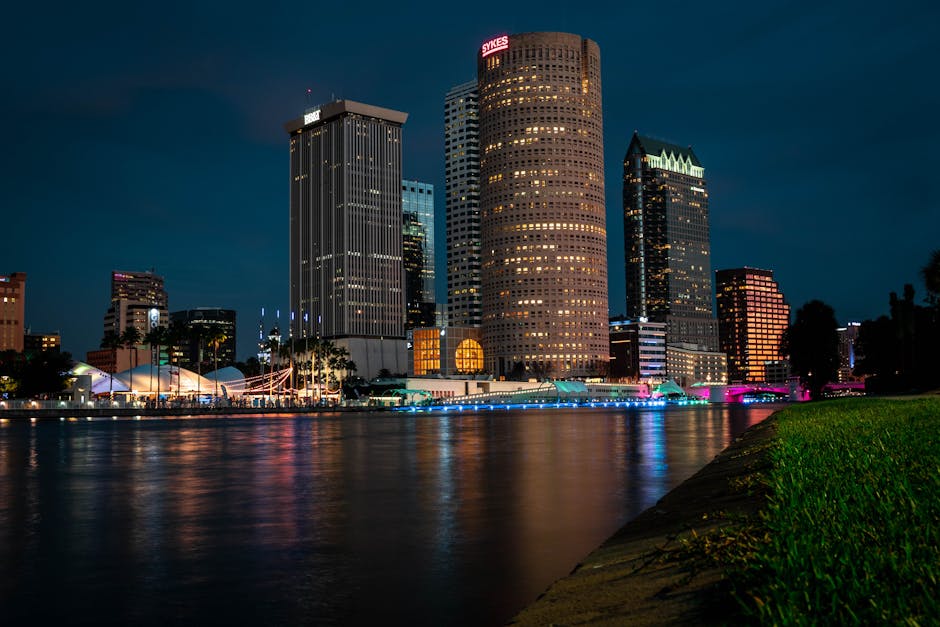
For decades, the Gulf Coast of Florida was categorized primarily as a secondary market—a destination for seasonal residents and retirees seeking temporary respite. However, recent data and market behavior indicate a fundamental structural shift. Tampa has emerged as a primary luxury market, where the majority of high-net-worth acquisitions are now intended for year-round residency. This transition is driven by a combination of sophisticated infrastructure improvements, a burgeoning corporate landscape, and a significant influx of permanent capital. Buyers are no longer looking for mere vacation condos; they are seeking high-specification estates that function as principal homesteads.
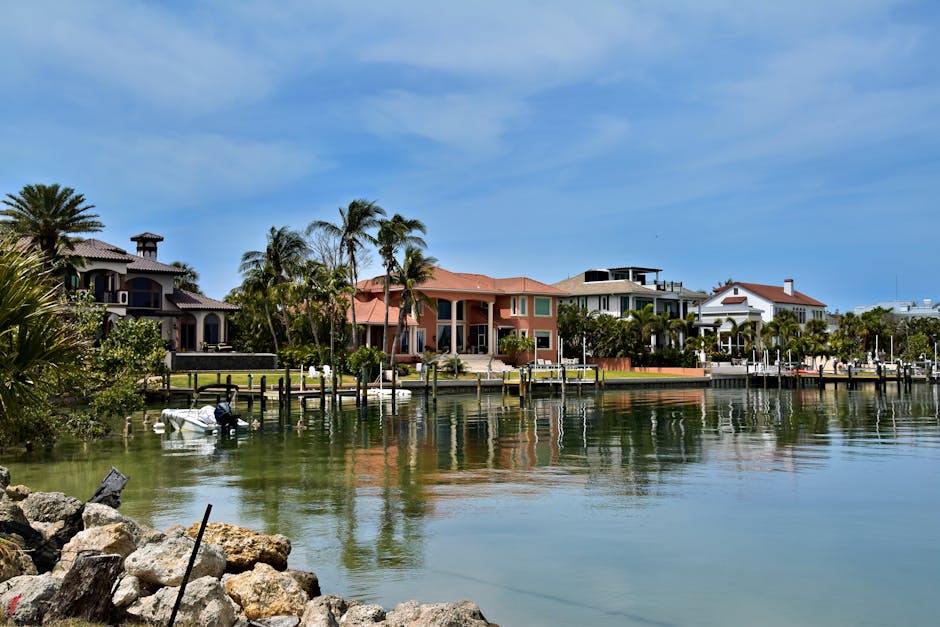
According to research highlighted by The National Law Review, Tampa Bay’s waterfront is now a primary destination for global investors. This change in status has led to a more stable pricing environment compared to traditional boom-and-bust cycles. As the region matures, the demand for properties that offer both privacy and proximity to urban centers like Water Street and the Westshore District has reached record levels. The analytical buyer must recognize that current valuations reflect this newfound status as a permanent residential hub rather than a speculative seasonal play.
The impact of this shift is visible in the architectural requirements of new builds. We are seeing a move away from standard coastal aesthetics toward more robust, high-performance designs that emphasize home offices, expansive wellness suites, and integrated smart technology. In neighborhoods like Beach Park and Culbreath Isles, the focus has shifted toward longevity and durability. Buyers are prioritizing land value and structural integrity, recognizing that the scarcity of prime waterfront acreage is the ultimate hedge against market volatility. This is a primary-market mindset where the residence is an essential asset in a diversified portfolio.
The Maturation of Vertical Living and the Early-Stage Condo Opportunity
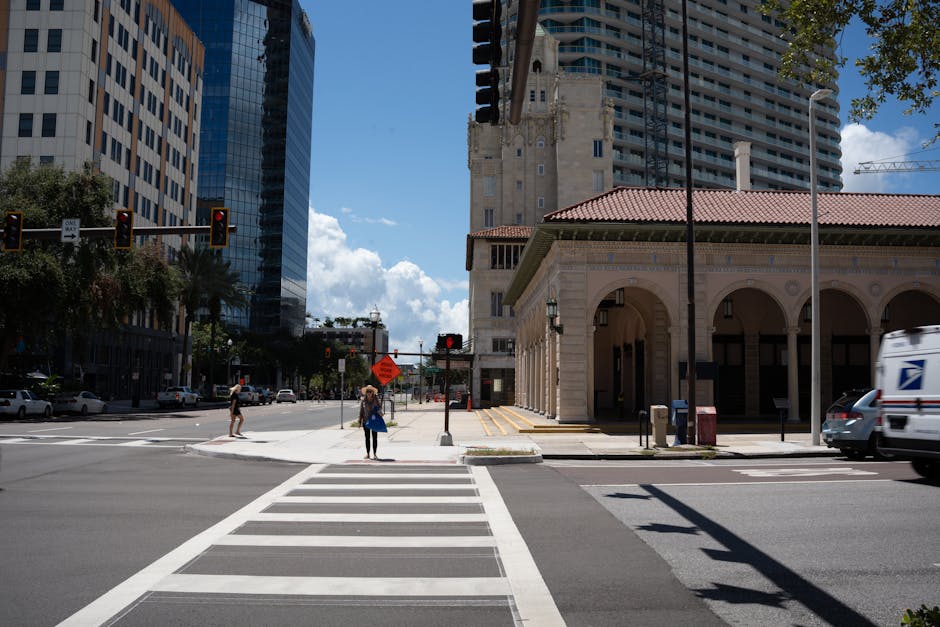
While single-family estates remains the traditional choice for many, Tampa is currently in a unique phase of its vertical evolution. The region remains an early-stage luxury condo market, as noted by Tampa Bay Business & Wealth. This stage offers a specific window for buyers to secure assets in flagship developments before the market reaches full saturation. The pipeline of luxury towers along Bayshore Boulevard and in the downtown core represents a significant upgrade in the quality of amenities and service levels available to residents, moving closer to the standards found in New York or Miami.
Sophisticated advisors observe that the condo market here is bifurcating. On one side, there are older established buildings that offer generous square footage but require substantial modernization. On the other, the new generation of ultra-luxury developments provides curated experiences, including private elevators, 24-hour concierge services, and high-altitude infinity pools. For the primary resident, these developments solve the maintenance burden of a waterfront estate while providing a comparable level of luxury. The entry point for these premium units has moved significantly, but when compared to other major coastal cities, the value proposition remains compelling for those entering the market at this stage.
Navigating this sector requires a deep understanding of developer track records and the long-term viability of specific projects. Unlike secondary markets where condos are often rented out, the new tier of Tampa developments is seeing high rates of owner-occupancy. This creates a different social dynamic and a more stable homeowners’ association environment. Investors and residents alike should focus on projects that offer unique architectural significance and protected views, as these factors remain the primary drivers of appreciation in the vertical segment. Monitoring the pipeline of new starts is essential for timing an acquisition in this evolving landscape.
Inventory Dynamics and the Residential Pricing Floor
The current state of luxury inventory in the region is characterized by a persistent scarcity of turnkey properties. With approximately 120 active luxury units on the market, the competition for top-tier assets is concentrated. The median list price has stabilized around $2,500,000, but this figure does not fully capture the intensity of the market for high-profile waterfront estates. The average list price of over $3,300,000 reflects a significant weight toward ultra-premium properties that often trade near or above their asking prices when they meet specific quality benchmarks.
Specific examples, such as 2 Troutwater Ln at $2,650,000 or 7705 Gardner Road at $3,000,000, illustrate the diversity of the current inventory. One represents a refined residential offering in a quiet enclave, while the other demonstrates the premium placed on larger parcels and privacy. Buyers must be prepared to act with precision when properties of this caliber become available. The window for negotiation has narrowed, particularly for assets that have been professionally staged and vetted. Understanding the nuances of these Tampa luxury listings is critical for establishing a baseline for value before entering a competitive bidding environment.
We are also seeing a notable increase in off-market transactions. In the $5,000,000 and above segment, a significant portion of deals occurs before a property ever reaches the public Multiple Listing Service. This hidden inventory is often accessible only through established advisory networks. For the serious buyer, waiting for the right property to appear on a public portal is a flawed strategy. A proactive approach, involving targeted outreach to owners of high-value parcels, has become a standard practice for those seeking specific architectural styles or waterfront orientations. The pricing floor is rising, and the premium for finished, modern product is at an all-time high.
Essential Due Diligence Checklist for Luxury Acquisitions
Securing a high-value asset in the current market requires a methodical approach to verification and analysis. Use this checklist as a baseline for evaluating potential acquisitions:
- Verify Riparian Rights and Shoreline Stability: Ensure that waterfront boundaries are clearly defined and that existing seawalls have been inspected by a licensed marine engineer.
- Analyze Recent Comps in the $10M+ Bracket: Look beyond the immediate neighborhood to understand how the highest tier of the market is trending across the region, including Tampa Bay’s most expensive home sales.
- Assess Elevation and Mitigation Costs: Determine the finished floor elevation and its impact on long-term insurance premiums and structural resilience.
- Evaluate Proximity to Private Aviation: For many high-net-worth buyers, the distance to Tampa International or Sheltair is a non-negotiable factor in the decision-making process.
- Review Developer and Builder Portfolios: If purchasing a new build or a home under construction, conduct a thorough audit of the builder’s past projects and financial stability.
- Examine Zoned School Districts and Private Institutions: Even for buyers without children, school districting remains a primary driver of land value and future resale liquidity.
Neighborhood Micro-Trends: Davis Islands vs. Bayshore
The distinction between Tampa’s premier neighborhoods is becoming more pronounced as each enclave develops its own market identity. Davis Islands continues to be the preferred choice for those seeking a secluded, golf-cart-friendly atmosphere with direct deep-water access. The absence of through-traffic creates a level of privacy that is difficult to replicate elsewhere in the city. Consequently, land values on the islands have seen some of the most aggressive appreciation in the state. Buyers here are often looking for the ability to dock large vessels, making seawall length a critical component of the valuation.
In contrast, the Bayshore Boulevard corridor offers a more public-facing, iconic luxury experience. The value here is tied to the historic significance of the address and the unobstructed views of Hillsborough Bay. While Davis Islands is about the ‘island lifestyle,’ Bayshore is about the prestige of the ‘Grand Drive.’ We are seeing a trend of high-end teardowns on Bayshore, where older structures are being replaced by modern masterpieces that maximize the vertical potential of the lots. This has created a vibrant, albeit dense, luxury environment that appeals to those who value proximity to the social and cultural heart of South Tampa.
Further west, neighborhoods like Beach Park and Culbreath Isles offer a middle ground, providing gated security and larger lot sizes that allow for more expansive horizontal estate designs. These areas are increasingly popular with families who require more yard space than what is typically available on Davis Islands. The decision between these micro-markets often comes down to a choice between water depth, privacy levels, and architectural flexibility. Each neighborhood has its own set of deed restrictions and aesthetic guidelines that must be carefully reviewed during the consideration phase.
Regional Catalysts and the Evolving Pipeline
The luxury landscape is not limited to the traditional core. Significant development activity in surrounding areas is creating a broader regional market that benefits from Tampa’s economic strength. For example, as noted by The Business Journals, large-scale residential projects in areas like Lakewood Ranch are expanding the definition of luxury living in the region. These developments provide an alternative for those seeking newer infrastructure and master-planned environments, further solidifying the Suncoast as a premier residential destination.
Furthermore, the influx of high-end retail and hospitality brands is a strong indicator of future residential demand. The expansion of the Tampa Riverwalk and the continuous improvement of the downtown waterfront have created a halo effect on nearby property values. According to Florida Trend, the real estate outlook remains robust due to sustained migration patterns and a business-friendly environment. These macro-economic factors provide a solid foundation for luxury real estate, ensuring that the capital invested today is supported by long-term regional growth.
Buyers should also keep a close eye on the infrastructure projects slated for the next five years. Improvements to the Howard Frankland Bridge and the expansion of the Westshore interchange will significantly impact commute times and accessibility, potentially unlocking value in neighborhoods that were previously considered too far from the city center. The integration of transportation and luxury development is a key theme for the 2026-2030 cycle. Understanding where the next phase of public investment will occur can provide a strategic advantage in identifying undervalued parcels before they reach their peak pricing.
Executing a Strategic Acquisition
Successfully navigating the Tampa luxury market requires more than just capital; it requires a sophisticated understanding of local dynamics and a disciplined approach to timing. The current window of opportunity is defined by a stabilization of interest rates and a clear visibility into the regional development pipeline. For the high-net-worth buyer, the focus should be on securing an asset that meets long-term lifestyle needs while offering a defensible position in a premier location. Scarcity remains the most significant driver of value, and the most desirable waterfront lots are unlikely to become more accessible in the future.
As you evaluate your next move, consider the importance of working with an advisor who can provide deep-dive analysis into specific neighborhood micro-trends and off-market opportunities. The complexity of waterfront regulations, combined with the nuances of high-end construction, makes a data-backed approach essential. By prioritizing due diligence and focusing on primary-market fundamentals, you can ensure that your acquisition is both a sound residential choice and a strategic addition to your portfolio. The transition of Tampa into a premier global city is well underway, and those who position themselves early in this cycle will be best placed to benefit from its continued evolution.
To begin your search for a signature property or to gain deeper insights into the current movement of the local market, we invite you to browse our curated collection of luxury homes for sale. Our team provides the analytical brief and market-level implications necessary for informed decision-making in the high-end sector. When you are ready to discuss your specific requirements for a primary residence or a strategic acquisition, contact our advisor team to schedule a confidential consultation. We are committed to providing the practical takeaways and expert guidance needed to secure your place in Tampa’s most exclusive enclaves.
Your next move in Tampa luxury
Get current inventory, pricing guidance, and private-tour support from our brokerage team.
Source highlights
- Sarasota developer proposes 300 single-family homes in Lakewood Ranch – The Business Journals
- Tampa Bay’s most expensive luxury home sales of 2025 – Tampa Bay Times
- Why Tampa remains an early-stage luxury condo market – Tampa Bay Business & Wealth
- Tampa Bay’s Waterfront Emerges as a Primary Luxury Real Estate Market – The National Law Review
- Florida Trend Real Estate – Florida Trend
- New Signature Real Estate Team Emerges Across Tampa Bay: The Nick Janovsky Group Launches with Premier Sotheby’s International Realty – citybiz
- Things To Do In Tampa This Weekend: Best Festivals & Events Going On – That's So Tampa
- Things To Do In St Pete This Weekend: Best Festivals & Events Going On In St Petersburg – I Love the Burg



