


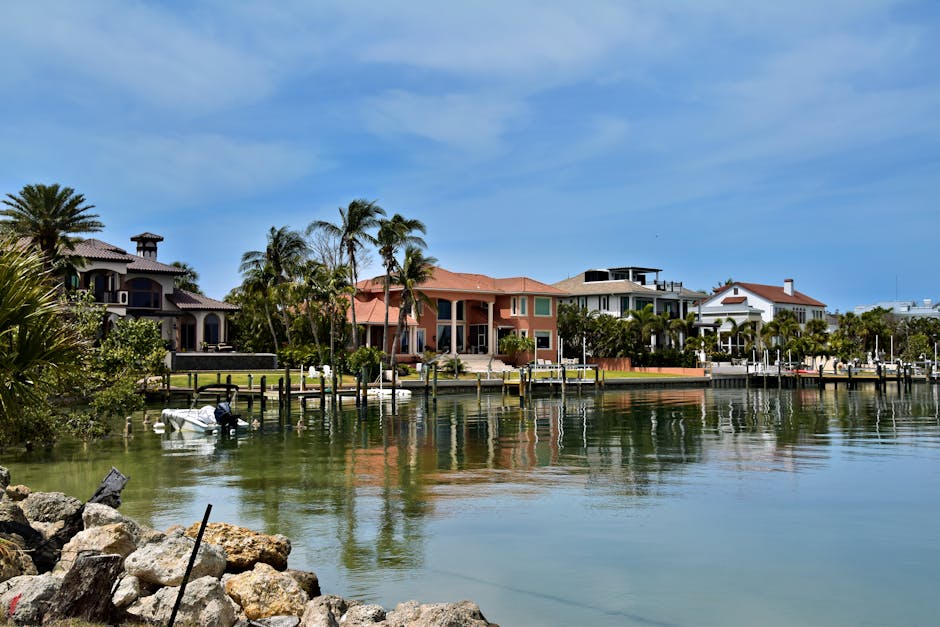
The Evolution of Tampa Waterfront Estates
The Tampa luxury market has transitioned from a regional interest to a primary destination for national and international capital. This shift is most evident along the waterfront corridors of Davis Islands and Beach Park, where the demand for deep-water access and expansive views continues to outpace available inventory. Buyers are no longer looking for seasonal retreats; instead, they are seeking multi-generational estates that serve as primary residences, reflecting a broader trend of permanent relocation among high-net-worth individuals. According to The National Law Review, Tampa’s waterfront has officially emerged as a primary luxury market, driven by robust infrastructure and a tax-friendly environment.

The architectural landscape is also evolving. We are seeing a move away from the heavy Mediterranean influences of the early 2000s toward organic modernism and coastal contemporary designs. These properties prioritize floor-to-ceiling glass, seamless indoor-outdoor transitions, and advanced smart-home integration. The scarcity of vacant land in established neighborhoods like Hyde Park and Culbreath Isles has led to an increase in teardown acquisitions. Buyers are often willing to pay a premium for the location alone, viewing the existing structure as a placeholder for a custom build that meets modern standards of efficiency and aesthetics.
As we analyze current movement, it is clear that waterfront properties remain the most resilient asset class. Even as interest rates and global economic factors fluctuate, the finite supply of shoreline ensures a baseline of value retention. For those evaluating long-term appreciation, the focus should remain on properties with significant linear feet of water frontage and those positioned within protected coves. These nuances in geography often dictate the difference between a standard luxury purchase and a high-performance real estate investment.

Inventory Constraints and the Rise of Off-Market Acquisitions
Current data shows approximately 120 active luxury listings in the greater Tampa area, with a median list price holding steady at $2,500,000. While these numbers suggest a balanced market on the surface, the reality for buyers looking in the $5,000,000+ segment is one of extreme scarcity. High-quality inventory, such as the estates found on Troutwater Lane or the expansive parcels along Memorial Highway, often receives significant attention within days of being listed. This compression at the top end of the market has forced many sophisticated buyers to rely on private networks and off-market opportunities to find properties that meet their specific requirements.
Working with a senior advisor who has deep roots in the local community is no longer optional. Many of the most significant transactions in Tampa are never publicized on the MLS. These private sales allow for discretion and flexibility, benefits that are highly valued by both sellers and buyers in the upper echelon of the market. Understanding the motivations behind a sale—whether it be a portfolio realignment or a lifestyle change—provides the leverage necessary to secure a property before it enters the competitive public arena. This strategy is particularly effective in neighborhoods where turnover is traditionally low and demand remains constant.
Prospective buyers should also monitor the average list price, which currently sits near $3,310,555. This figure is influenced by a handful of ultra-luxury estates that set new benchmarks for the region. As reported by the Tampa Bay Times, the most expensive sales of recent years have consistently broken records, signaling that the ceiling for Tampa real estate has not yet been reached. For those looking to enter the market, timing is less about seasonal trends and more about the immediate availability of high-caliber assets.
Comparing New Construction at Lakewood Ranch and Established Tampa Corridors
The geographic expansion of the luxury market is another critical factor to consider. While South Tampa remains the traditional seat of prestige, development in surrounding areas is offering new alternatives for those seeking modern amenities and larger lot sizes. A notable example is the proposed development of 300 single-family homes in Lakewood Ranch, as detailed by The Business Journals. This project represents a strategic move to capture the growing segment of buyers who prefer the predictability and comprehensive planning of a master-planned community over the architectural variety of urban infill.
However, the comparison between suburban growth and urban density is complex. Established Tampa neighborhoods offer a level of walkability and historical significance that cannot be replicated in new developments. The proximity to high-end dining, boutique shopping, and cultural centers remains a primary driver for many residents. Conversely, the newer corridors provide an opportunity for larger footprints and more extensive outdoor living spaces, often including private tennis courts and detached guest houses. The decision often hinges on whether the buyer prioritizes immediate access to the urban core or the privacy afforded by acreage.
Investment potential also varies between these two paths. Properties in neighborhoods like Beach Park or New Suburb Beautiful have a decades-long track record of steady appreciation and high demand. New construction in emerging areas offers the potential for higher initial growth as the community matures, but it carries a different risk profile. We advise clients to weigh the utility of the home against its role within their broader investment portfolio, ensuring that the chosen location aligns with both their lifestyle needs and their long-term financial objectives.
The Shift Toward Primary Residence Luxury Condos
Tampa is currently witnessing a significant shift in its high-rise market. Historically viewed as a secondary option for retirees or seasonal residents, the luxury condo sector is now attracting a younger, more diverse demographic of professionals. These buyers are looking for the “lock-and-leave” convenience of a managed building without sacrificing the space or finishes of a single-family home. The rise of developments in Water Street and the Westshore district has redefined what it means to live vertically in Tampa, offering amenities that rival those of the world’s leading metropolitan centers.
Despite this growth, experts suggest that Tampa remains in an early-stage luxury condo market compared to more saturated areas like Miami or Naples. This assessment, shared by Tampa Bay Business & Wealth, indicates significant room for growth and price discovery. For the analytical buyer, this represents an opportunity to acquire assets in buildings that are setting the standard for the next generation of Tampa living. Focus should be placed on buildings that offer robust services, such as 24-hour concierge, private wellness centers, and secure underground parking.
When evaluating a condo purchase, the quality of the developer and the long-term management plan are as important as the view. We recommend a thorough review of the association’s financial health and any planned future developments that could impact the building’s sightlines or exclusivity. As the urban landscape becomes more dense, the value of a protected view will only increase. For those who prefer an active, social lifestyle, the proximity to weekend events and festivals—such as those frequently highlighted by FOX 13 Tampa Bay—makes downtown living particularly attractive.
The 2026 Buyer’s Checklist
Successfully navigating the current market requires a disciplined approach to due diligence. The speed of transactions, combined with the high stakes of multi-million dollar acquisitions, means that being prepared is the only way to ensure a favorable outcome. We have identified several key areas that require specific attention during the consideration phase.
- Elevation and Mitigation: Verify current flood zone designations and the structural integrity of sea walls for all waterfront parcels.
- Comparative Land Value: Analyze recent sales of vacant lots in the immediate vicinity to ensure the improvements on a property are priced appropriately.
- Permitting History: Ensure all renovations or additions, particularly in historic districts like Hyde Park, have been properly permitted and closed.
- Lifestyle Proximity: Evaluate the property’s distance to private aviation hubs, elite schools, and primary medical facilities.
- Infrastructure Future: Research planned municipal projects, such as road expansions or utility upgrades, that may affect local traffic patterns.
- Energy Efficiency: Confirm the presence of high-performance windows, insulation, and HVAC systems common in modern luxury builds.
This checklist serves as a baseline for the initial evaluation of a property. However, each sub-market in Tampa—from the equestrian estates in the north to the coastal retreats in the south—requires its own set of specialized questions. Engaging with professional teams that specialize in these niches is essential. The emergence of groups like the Nick Janovsky Group, recently featured by citybiz, highlights the trend toward highly specialized advisor teams that provide granular market insights beyond the reach of generalist agencies.
Asset Diversification: Evaluating Land and Commercial Conversions
For some investors, the most compelling opportunities in Tampa are not found in finished homes but in the land itself or in adaptive reuse projects. Large parcels, such as those available on Gardner Road, offer the potential for subdivision or the creation of a private compound. As the city continues to grow, these larger land holdings become increasingly rare and valuable. Buyers should look for properties that offer flexible zoning or the potential for future rezoning, which can significantly enhance the asset’s terminal value.
We are also seeing an uptick in interest for residential-to-commercial conversions or mixed-use properties in areas bordering the urban core. These assets allow for a diversification of income streams and can provide a hedge against residential market fluctuations. While these transactions are more complex and require a deeper understanding of local ordinances, they offer a level of utility that a standard residence cannot match. Working with a legal team familiar with Florida real estate trends, such as those tracked by Florida Trend, is vital for navigating these multi-faceted deals.
Regardless of the property type, the underlying principle of Tampa real estate remains the same: quality is the ultimate safeguard. Whether it is a perfectly situated lot or a masterfully restored historic home, assets that possess unique, non-reproducible qualities will always command a premium. Our role is to help you identify these qualities and evaluate them through the lens of both current market conditions and future growth projections. Decisions made today should be grounded in data and a clear understanding of the local landscape.
Risk Mitigation and Long-Term Value Retention
Market cycles are inevitable, but the Tampa luxury sector has shown a remarkable ability to maintain its trajectory through various economic climates. This resilience is supported by the continuous influx of wealth and the expansion of the regional economy. However, prudent buyers should always consider the exit strategy. Properties that appeal to a broad range of high-end buyers—those with classic architecture, functional floor plans, and prime locations—are the ones that retain value most effectively. Avoid over-customization that might limit future resale appeal unless the property is intended as a long-term family legacy estate.
Environmental factors must also be integrated into the investment thesis. Florida’s climate requires specific construction standards and ongoing maintenance to preserve the integrity of a home. We recommend prioritizing properties that exceed current building codes and those that incorporate sustainable technologies. These features not only reduce operating costs but also enhance the property’s desirability in an increasingly eco-conscious market. A forward-thinking approach to property management is just as important as the initial acquisition strategy.
The 2026 market offers a unique window for those looking to establish or expand their presence in Tampa. With a clear understanding of neighborhood dynamics, inventory scarcity, and the importance of off-market access, buyers can move forward with confidence. The key is to remain analytical and focused on the long-term fundamentals that have made Tampa one of the most sought-after luxury destinations in the country. By prioritizing data-backed decisions and professional guidance, you can secure an asset that serves both your lifestyle and your financial goals.
Success in this competitive landscape requires an advisor who understands the nuances of the Tampa luxury market and can provide access to the region’s most exclusive opportunities. Whether you are looking for a waterfront estate on Davis Islands or a modern high-rise in the heart of downtown, we are here to provide the analytical insight and private access you require. We invite you to browse our current luxury listings and contact an advisor today to discuss your specific requirements and begin a strategic search tailored to your objectives.
Your next move in Tampa luxury
Get current inventory, pricing guidance, and private-tour support from our brokerage team.
Source highlights
- Sarasota developer proposes 300 single-family homes in Lakewood Ranch – The Business Journals
- Tampa Bay’s most expensive luxury home sales of 2025 – Tampa Bay Times
- Why Tampa remains an early-stage luxury condo market – Tampa Bay Business & Wealth
- Tampa Bay’s Waterfront Emerges as a Primary Luxury Real Estate Market – The National Law Review
- Florida Trend Real Estate – Florida Trend
- New Signature Real Estate Team Emerges Across Tampa Bay: The Nick Janovsky Group Launches with Premier Sotheby’s International Realty – citybiz
- Things To Do In Tampa This Weekend: Best Festivals & Events Going On – That's So Tampa
- Things To Do In St Pete This Weekend: Best Festivals & Events Going On In St Petersburg – I Love the Burg



