


The Evolution of Tampa Waterfront Assets
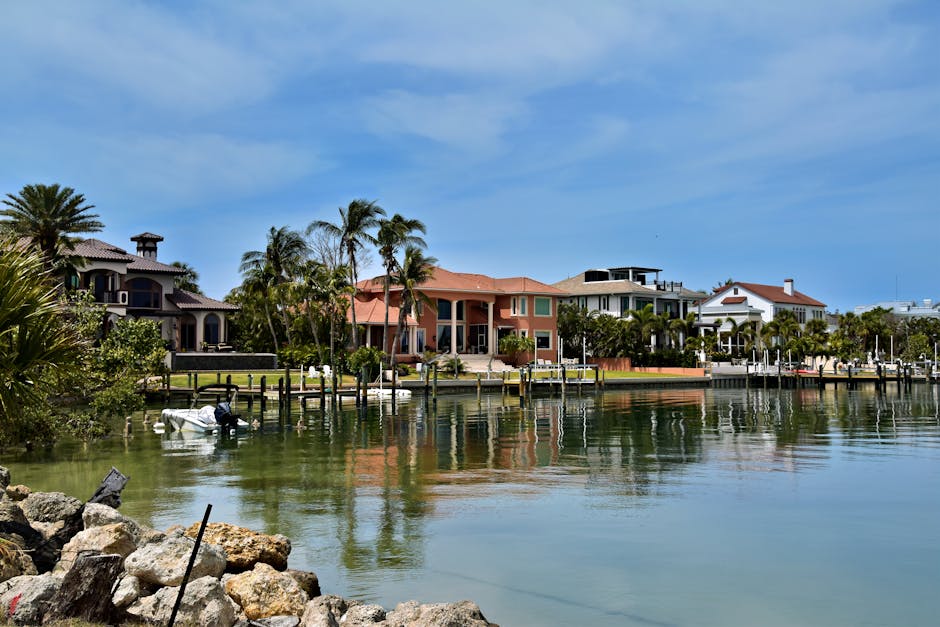
The transition of the Tampa Bay waterfront from a seasonal retreat to a primary residence destination has fundamentally altered the valuation models used by private advisors. Recent analysis suggests that the region is no longer merely a secondary market for South Florida overflow but a standalone powerhouse for domestic and international capital. This shift is most evident in the high-density corridors of Bayshore Boulevard and the private enclaves of Davis Islands, where price floors have solidified significantly over the last twenty-four months.
According to reports from The National Law Review, the waterfront sector has emerged as a primary real estate market, driven by institutional investment and a permanent shift in buyer demographics. Advisors now prioritize deep-water access and coastal fortification over simple aesthetic appeal, recognizing that the long-term viability of these assets depends on engineering as much as architecture. Buyers are increasingly scrutinizing seawall integrity and elevation certificates as part of their standard due diligence, moving away from emotional acquisitions toward data-backed investments.
In the current climate, waterfront properties are commanding a significant premium, often trading at values that double the local median for inland luxury estates. This divergence reflects a scarcity of buildable lots and a growing preference for unobstructed views that cannot be replicated in the urban core. For the private buyer, the challenge lies in identifying which riparian rights offer the best long-term security against shifting environmental regulations and insurance requirements.
Condo Maturity and the Vertical Urban Core
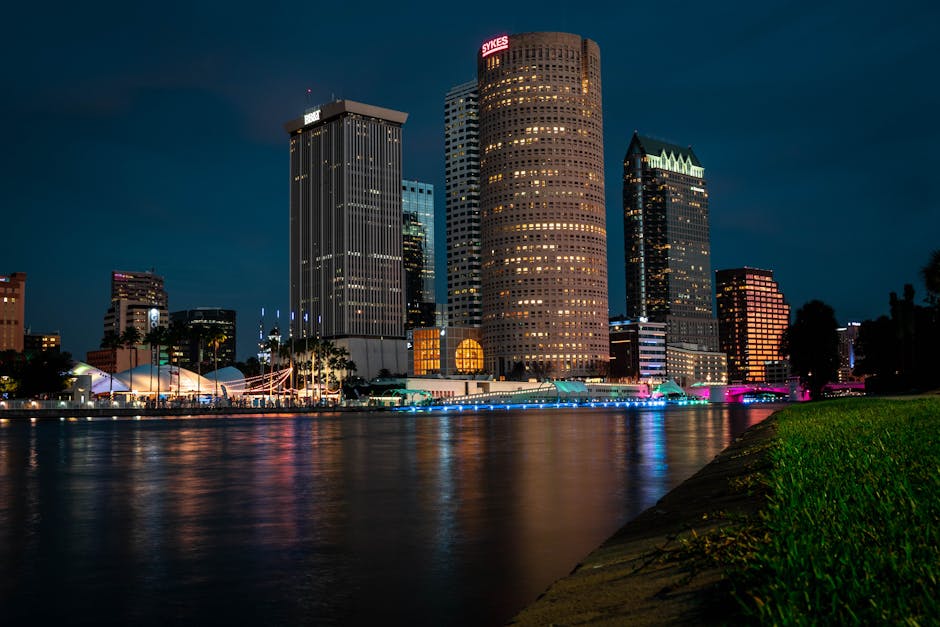
While single-family estates remain the cornerstone of the Tampa luxury market, the high-rise sector is entering a phase of rapid maturation. Historically, Tampa was viewed as an early-stage market for luxury condominiums, often lagging behind the established skylines of Miami or Naples. However, the introduction of full-service brands and five-star hospitality integrations has changed the calculus for buyers seeking a low-maintenance, high-security environment in the heart of the city.
As noted by Tampa Bay Business & Wealth, the city is still navigating its growth as a vertical luxury hub. This provides a window for collectors to acquire assets in buildings that are setting new standards for the region. The move toward vertical living is particularly strong among buyers relocating from the Northeast, who prioritize concierge services and walkable access to high-end dining and cultural venues over the acreage of a suburban estate.
Developments in the Water Street and Westshore districts are serving as bellwethers for this segment. These areas are attracting a demographic that values efficiency and proximity to the city’s economic engines. When comparing these assets to traditional homes, advisors must weigh the benefits of controlled environments and amenity packages against the potential for future supply to impact appreciation rates in the luxury high-rise sector.
Inventory Trends and Pricing Benchmarks
The current inventory landscape in the luxury tier remains relatively tight, with approximately 120 active listings currently available for those seeking high-end residences. This limited supply has maintained upward pressure on pricing, even as broader market conditions have fluctuated. The median list price for these premium assets sits at $2,500,000, while the average list price has climbed to $3,310,555, reflecting a significant concentration of ultra-high-net-worth properties at the top of the scale.
Recent data from the Tampa Bay Times highlights the most expensive sales of the past year, showcasing a trend toward record-breaking transactions in South Tampa and the coastal keys. These figures indicate that the appetite for top-tier real estate remains robust, provided the property meets the specific criteria of modern luxury: privacy, updated technology, and exceptional craftsmanship. The pricing floor for a quality four-bedroom residence in a premier neighborhood now regularly exceeds the $2 million mark.
For buyers, understanding these benchmarks is essential for effective negotiation. While some sellers remain anchored to peak-market expectations, the most successful transactions are occurring where pricing aligns with recent comparable sales. Analytical buyers are looking beyond the list price to evaluate the cost-per-square-foot adjusted for lot value and recent capital improvements, ensuring that their acquisition remains a sound financial instrument.
Infrastructure and Local Market Friction
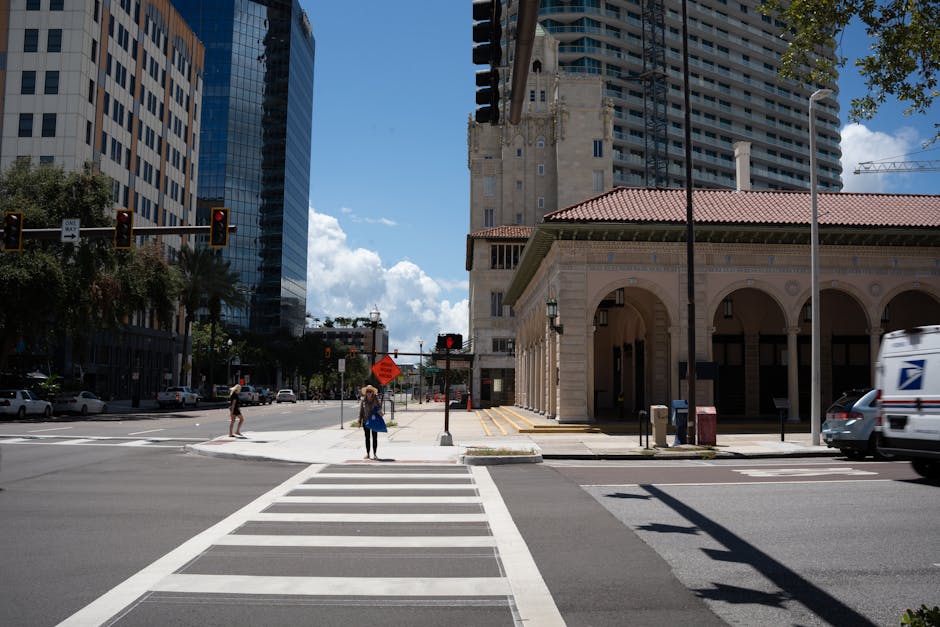
Tampa’s rapid growth has brought both opportunity and logistical challenges that savvy buyers must consider. Major events and festivals frequently transform the traffic patterns of the city, impacting the desirability of certain access points. For instance, large-scale events highlighted by That’s So Tampa can lead to heavy congestion in the urban core and near major venues, a factor that is increasingly influencing neighborhood selection for those who commute daily.
Infrastructure projects, such as the expansion of the Howard Frankland Bridge and improvements to the Westshore interchange, are designed to alleviate these frictions but also introduce temporary disruptions. High-end buyers are focusing on neighborhoods like Hyde Park and Palma Ceia, which offer a degree of insulation from major through-traffic while maintaining easy access to the city’s private clubs and boutique retail. The balance between connectivity and seclusion has become a primary driver of value in the South Tampa market.
Furthermore, the city’s ability to host tens of thousands of visitors for events—ranging from K-Pop concerts to international boat shows—underscores its status as a major metropolitan hub. This activity bolsters the local economy and supports the high-end service industry that luxury residents rely upon. However, it also means that property selection should include an assessment of noise corridors and proximity to public gathering spaces to ensure the intended level of domestic privacy is maintained.
Strategic Acquisition Due Diligence
When evaluating a multi-million dollar asset in the Tampa market, the standard inspection process is rarely sufficient. Sophisticated buyers utilize a more rigorous framework to assess risk and value before proceeding to the closing table. This involves a multidisciplinary approach that considers environmental, structural, and legal factors specific to the Florida landscape.
- Verification of shoreline stabilization and recent bathymetric surveys for all waterfront parcels.
- Comprehensive review of the elevation certificate and its impact on long-term insurance premiums and FEMA compliance.
- Analysis of recent neighborhood sales specifically excluding non-arm’s length transactions or distressed sales.
- Assessment of smart-home integration and the lifespan of existing HVAC and roofing systems.
- Review of any deed restrictions or historic preservation mandates that may limit future renovations.
- Verification of local zoning changes that could impact the privacy or view corridors of the residence.
Adhering to this checklist ensures that the acquisition is not just a residence but a protected asset. The complexity of the Florida real estate market requires a level of precision that goes beyond the surface-level aesthetics of a property. By focusing on these technical details, buyers can avoid common pitfalls and secure a position in the market that is built on a foundation of verified data.
Comparative Analysis of Historic Preservation
The historic districts of South Tampa offer a different value proposition compared to the modern glass towers of the waterfront. Neighborhoods such as Hyde Park are defined by their architectural integrity and mature landscapes, providing a sense of permanence that is highly valued by local residents. These areas are governed by strict preservation guidelines that, while sometimes challenging for renovations, serve to protect the character and long-term value of the neighborhood.
Buyers in these districts are often looking for a blend of historic charm and modern utility. The most successful properties are those that have been meticulously restored to preserve their original craftsmanship while integrating contemporary kitchens, primary suites, and energy-efficient systems. This segment of the market tends to be less volatile than the new-construction sector, as the supply of truly historic homes is finite. This scarcity creates a natural hedge against market fluctuations, appealing to conservative investors.
Advisors often suggest comparing the total cost of ownership between a historic home and a new-build residence. While the historic home may require higher maintenance over time, its location and unique character often lead to superior long-term appreciation. The decision frequently comes down to a preference for the established prestige of a tree-lined street versus the technological advantages of a newly constructed waterfront estate.
Market Projections and Regional Movement
Looking toward the remainder of the year and into 2026, the Tampa luxury market is expected to be influenced by broader regional development patterns. The expansion of high-end communities in surrounding areas, such as the proposed growth in Lakewood Ranch mentioned by The Business Journals, suggests a sustained interest in the Florida lifestyle that will continue to filter capital into the Tampa urban core. As regional infrastructure improves, the boundaries of what is considered “prime” luxury real estate are expanding.
The emergence of new professional teams and brokerage groups, such as those highlighted in Florida Trend, indicates a healthy and competitive industry dedicated to serving the affluent buyer. This professionalization of the market ensures that buyers and sellers have access to the data and expertise required to navigate complex transactions. The trend toward highly specialized advisor teams is a direct response to the increasing sophistication of the local market and the needs of its high-net-worth participants.
As you evaluate your next move in this landscape, prioritizing expert guidance and local market intelligence is paramount. Whether your focus is a modern waterfront estate or a historic residence in the city’s core, the current market offers opportunities for those who approach it with a clear strategy and a focus on long-term value. To explore the latest opportunities and receive tailored advice on your acquisition strategy, we invite you to browse our current LISTINGS URL and CONTACT URL to speak with a dedicated advisor.
Your next move in Tampa luxury
Get current inventory, pricing guidance, and private-tour support from our brokerage team.
Source highlights
- Sarasota developer proposes 300 single-family homes in Lakewood Ranch – The Business Journals
- Tampa Bay’s most expensive luxury home sales of 2025 – Tampa Bay Times
- Why Tampa remains an early-stage luxury condo market – Tampa Bay Business & Wealth
- Tampa Bay’s Waterfront Emerges as a Primary Luxury Real Estate Market – The National Law Review
- Florida Trend Real Estate – Florida Trend
- New Signature Real Estate Team Emerges Across Tampa Bay: The Nick Janovsky Group Launches with Premier Sotheby’s International Realty – citybiz
- Things To Do In Tampa This Weekend: Best Festivals & Events Going On – That's So Tampa
- Things To Do In St Pete This Weekend: Best Festivals & Events Going On In St Petersburg – I Love the Burg



