


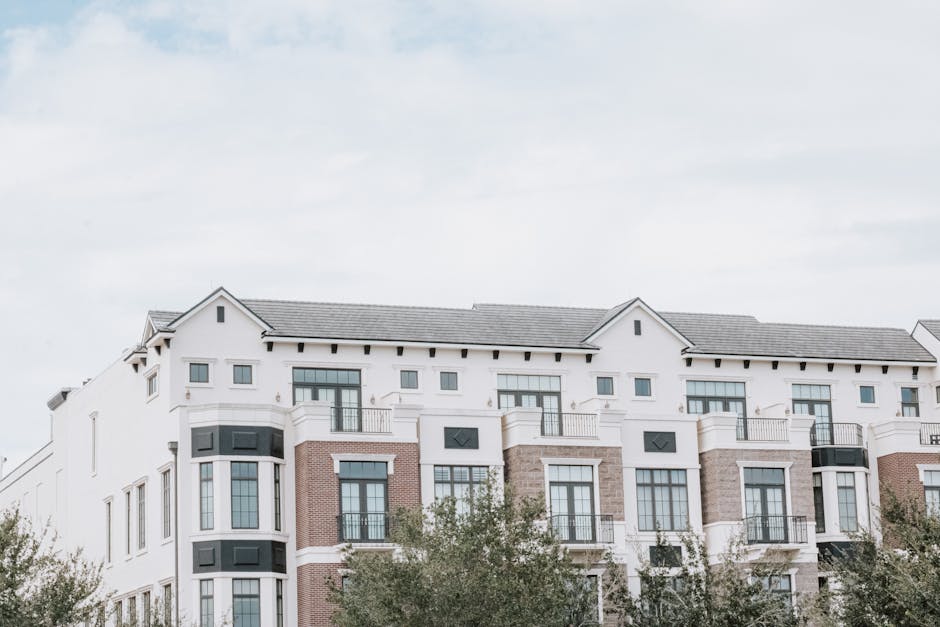
The Transition to a Primary Luxury Market
Tampa has undergone a fundamental shift in its real estate identity, moving from a seasonal getaway destination to a robust primary residence market for high-net-worth individuals. This evolution is driven by a sophisticated buyer demographic that prioritizes long-term infrastructure, high-end amenities, and year-round connectivity. Unlike previous cycles where waterfront property was largely a secondary asset, the current demand is centered on homes that function as full-time family estates and executive headquarters. This maturation is evident in the types of inventory currently commanding the highest premiums.
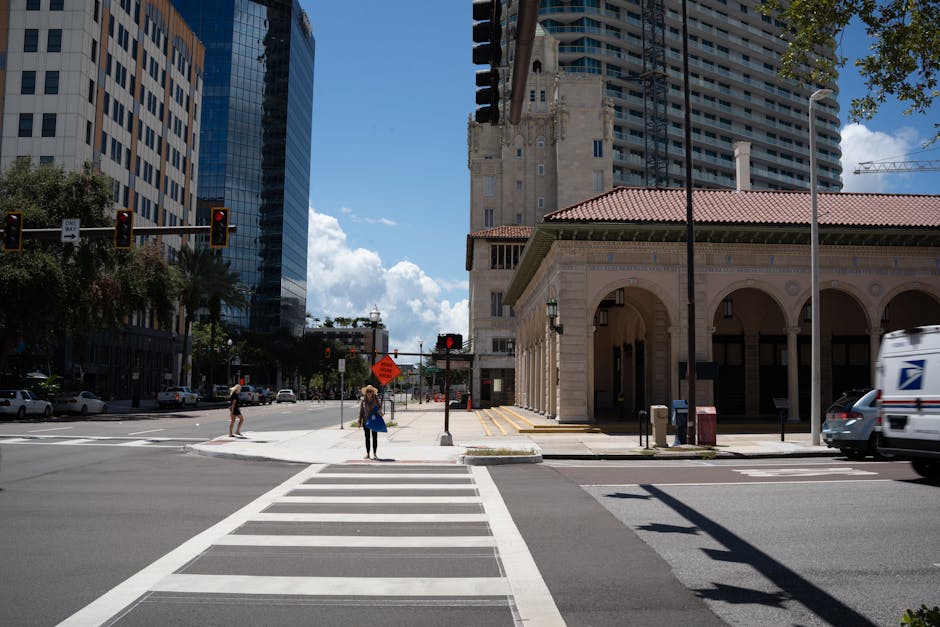
Analytically, the rise of the high-end condo sector illustrates this shift. According to Tampa Bay Business & Wealth, the region remains an early-stage luxury condo market, suggesting significant headroom for growth as vertical living becomes a preferred choice for those seeking low-maintenance, high-security lifestyles. For buyers, this means weighing the traditional privacy of a single-family estate in areas like South Tampa against the turnkey convenience of a full-service residence in Water Street or the Westshore district.
Inventory Realities and Valuation Metrics
The current luxury landscape in Tampa is defined by a curated selection of properties. With approximately 120 active luxury listings, the market is competitive but offers distinct opportunities for those who understand valuation beyond square footage. The median list price has stabilized around $2,500,000, while the average list price has climbed to over $3,310,000. These figures reflect a flight to quality, where properties with premium finishes and advanced smart-home integrations are setting the pace for the broader market. Acquisitions in the $3,000,000 to $4,000,000 range, such as recent offerings on Gardner Road or Memorial Highway, are increasingly common.

Understanding these metrics requires a look at the historical sales data from the previous year. A report by the Tampa Bay Times detailing the most expensive luxury sales of 2025 highlights that the top of the market is no longer concentrated in a single neighborhood. Instead, value is being realized across multiple waterfront corridors, where buyers are willing to pay for rare lot sizes and deep-water access. Strategic buyers should look for properties that offer these immutable features, as they provide the strongest hedge against market fluctuations.
The Emergence of Waterfront as a Primary Asset
The National Law Review has noted that Tampa Bay’s waterfront is emerging as a primary luxury real estate market, a distinction that carries significant weight for long-term investors. This trend is characterized by a move away from the ‘vacation home’ mentality toward properties that serve as permanent foundations. For the affluent resident, this involves evaluating coastal resilience, elevation, and the quality of surrounding infrastructure. Neighborhoods such as Davis Islands and Shore Acres are seeing a reinvestment in modern architecture that prioritizes both aesthetic brilliance and structural integrity.
When comparing waterfront options, it is essential to distinguish between canal-front homes and open-bay estates. While both offer significant lifestyle benefits, the open-bay properties command a higher premium due to unobstructed views and the exclusivity of the shoreline. However, many buyers are finding that the protected waterways of Tampa’s inland canals offer a more practical solution for frequent boating and privacy. This level of nuance in selection is what differentiates a standard transaction from a strategic advisory engagement. Prospective buyers should explore listings that demonstrate a clear understanding of these waterfront tiers.
The Essential Due Diligence Checklist
- Verify the structural elevation and flood mitigation features of the property.
- Analyze the historical appreciation rates of the specific neighborhood micro-market.
- Evaluate the proximity to private aviation facilities and high-end retail hubs.
- Review the stability and service level of any existing Homeowners Association.
- Assess the privacy and security infrastructure, including gated access and surveillance integration.
- Confirm the age and condition of seawalls and dockage for waterfront assets.
Regional Growth and Infrastructure Implications
Tampa’s growth is not occurring in a vacuum; it is part of a broader regional expansion that includes neighboring developments. For instance, a developer in Sarasota has proposed 300 single-family homes in Lakewood Ranch, indicating a sustained interest in the Gulf Coast corridor. This regional momentum supports the long-term value of Tampa’s core luxury markets, as it builds a larger ecosystem of services, employment hubs, and cultural institutions. For the Tampa buyer, this means that the city is becoming the central pillar of a sophisticated coastal megalopolis.
Infrastructure improvements in the downtown core and the expansion of high-speed transit options are also critical factors. The ability to move efficiently between the cultural district, the airport, and the residential enclaves of South Tampa is a key component of luxury living. Buyers are increasingly looking for properties that offer a ’20-minute city’ experience—where professional, social, and recreational needs are met within a short radius. This trend is particularly evident in the demand for homes in the Hyde Park and Palma Ceia areas, where walkability is a highly valued commodity.
Lifestyle Integration and Community Maturity
A mature market is also defined by its cultural calendar and community engagement. Tampa’s ability to host major international events and local festivals is a testament to its operational capacity and appeal. From major concerts and K-Pop weekends to elite festivals, as tracked by That’s So Tampa, the city offers a lifestyle that rivals major global metros. This cultural richness is a significant draw for families relocating from other Tier-1 cities, seeking a balance of professional opportunity and high-quality recreation.
Furthermore, the local educational and social landscape is evolving to meet the needs of an affluent population. The presence of top-tier private schools and exclusive social clubs adds a layer of social capital to homeownership in the region. When evaluating a property, it is important to consider how it integrates into this broader social fabric. A residence is more than a physical asset; it is a gateway to the community’s most influential circles. Understanding these local nuances is part of the comprehensive guidance provided by a senior advisor who knows the market beyond the numbers.
Strategic Acquisition and Next Steps
Successful navigation of the Tampa luxury market requires more than just access to data; it requires an analytical approach to site selection and valuation. As we move through 2026, the distinction between ‘expensive’ and ‘valuable’ will become even more pronounced. Buyers who focus on primary residence attributes, infrastructure quality, and regional growth patterns will be best positioned for both lifestyle satisfaction and capital preservation. The current inventory offers unique opportunities for the discerning buyer to secure a legacy property in one of the nation’s most resilient markets.
To make an informed decision in this complex environment, professional guidance is essential. We invite you to browse our curated luxury homes for sale to understand the current standards of excellence in the Tampa market. For a confidential discussion regarding your specific requirements and a personalized market analysis, please contact an advisor today. Our team is dedicated to providing the specific, data-backed insights necessary for high-stakes real estate acquisitions.
Your next move in Tampa luxury
Get current inventory, pricing guidance, and private-tour support from our brokerage team.
Source highlights
- Sarasota developer proposes 300 single-family homes in Lakewood Ranch – The Business Journals
- Tampa Bay’s most expensive luxury home sales of 2025 – Tampa Bay Times
- Why Tampa remains an early-stage luxury condo market – Tampa Bay Business & Wealth
- Tampa Bay’s Waterfront Emerges as a Primary Luxury Real Estate Market – The National Law Review
- Florida Trend Real Estate – Florida Trend
- New Signature Real Estate Team Emerges Across Tampa Bay: The Nick Janovsky Group Launches with Premier Sotheby’s International Realty – citybiz
- Things To Do In Tampa This Weekend: Best Festivals & Events Going On – That's So Tampa
- Things To Do In St Pete This Weekend: Best Festivals & Events Going On In St Petersburg – I Love the Burg



