


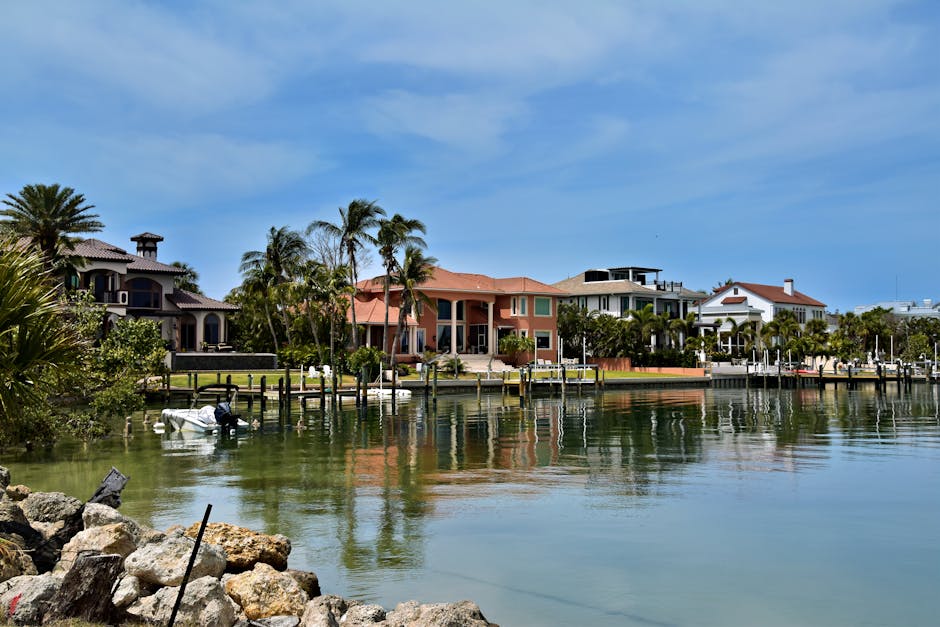
The Tampa luxury real estate sector has undergone a fundamental transformation, moving away from its historical role as a seasonal secondary market to a robust primary destination for private wealth. With a current median list price of $2,500,000 and an average reaching $3,293,572, the local inventory reflects a level of sophistication and value retention that commands attention from serious investors and primary residents alike. This shift is not merely a reflection of national trends but a localized result of massive infrastructure investments and a sustained influx of high-net-worth individuals seeking a specific quality of life without the volatility found in other coastal hubs.
Understanding this landscape requires looking past superficial metrics to examine the structural health of the market. There are currently approximately 120 active luxury listings, a figure that represents a curated selection of assets ranging from historic South Tampa estates to modern waterfront marvels. For the discerning buyer, this inventory offers a unique window to secure long-term value in a city that is still in the early stages of its high-end evolution.
The Structural Shift in Tampa’s Luxury Inventory
The maturation of the Tampa market is evidenced by the scale of recent transactions and the caliber of new inventory entering the space. Buyers are no longer settling for older renovations; there is a distinct preference for modern architectural integrity and advanced home automation. This demand has pushed the upper echelons of the market to new heights, as noted in the Tampa Bay Times analysis of the region’s most expensive sales. The record-breaking activity seen throughout 2025 and into early 2026 highlights a persistent appetite for legacy properties that offer both privacy and proximity to the urban core.
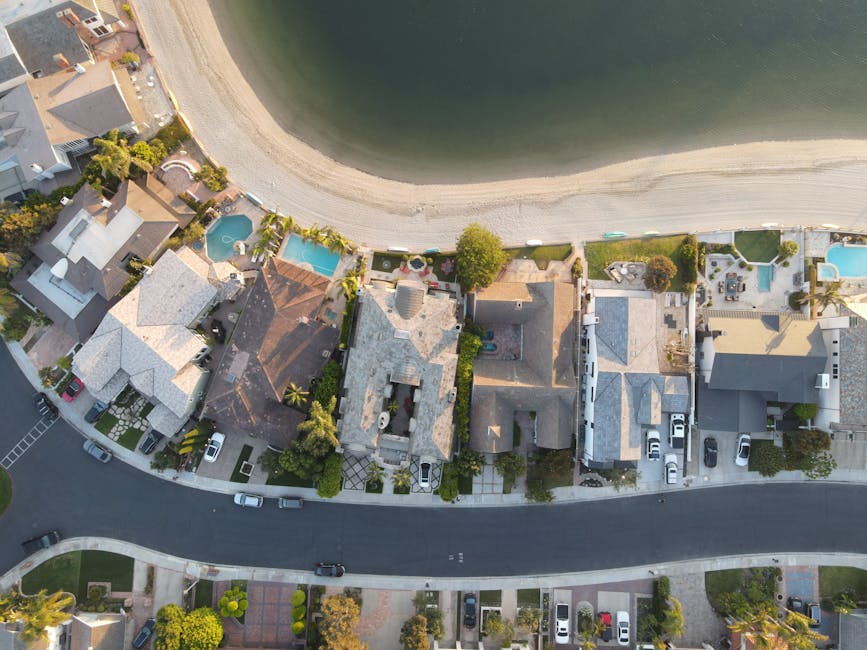
Current market movement suggests that buyers are prioritizing functional luxury—homes that serve as multi-generational assets with dedicated wellness suites, advanced security protocols, and sustainable energy systems. We are seeing a compression in the days-on-market for properties priced between $2,500,000 and $4,000,000, particularly in established neighborhoods like Davis Islands and Beach Park. This competitive environment underscores the necessity of having a clear acquisition strategy before entering negotiations.
Furthermore, the emergence of institutional-grade residential management and the expansion of specialized real estate teams, such as the Nick Janovsky Group, signals a higher level of professionalization in the local industry. This infrastructure supports a more seamless transition for out-of-state buyers who are accustomed to the service levels of Manhattan or Los Angeles. As the inventory remains relatively tight with only 120 active units, the premium on expert guidance and off-market access has never been higher.
Waterfront Assets: Transitioning to a Primary Market
The relationship between Tampa and its waterfront has shifted from recreational to foundational. The development of the shoreline is no longer just about views; it is about creating a comprehensive urban experience that rivals any global city. According to the National Law Review, Tampa’s waterfront is emerging as a primary luxury real estate market, driven by a combination of favorable tax environments and significant private-sector investment. This transition is most visible along the Bayshore corridor and the Channel District, where high-value acquisitions are becoming the norm rather than the exception.
For buyers evaluating waterfront properties, the decision-making process now involves a deeper analysis of maritime infrastructure and long-term coastal resilience. Properties on Davis Islands, for instance, offer a unique blend of deep-water access and a secluded residential feel, making them highly sought after by yacht owners and privacy-conscious executives. The valuation of these lots has seen a steady upward trajectory, reflecting the scarcity of available shoreline and the increasing complexity of new construction requirements.
Investment in the waterfront sector also includes the expansion of high-end amenities that cater to the luxury demographic. From private marinas to world-class dining within walking distance of residential towers, the ecosystem surrounding these properties is being meticulously planned. This holistic approach to development ensures that the value of the home is tethered to the broader growth of the district, providing a level of security for capital preservation that is difficult to replicate in more fragmented markets.
The Evolution of Urban Density and High-Rise Living
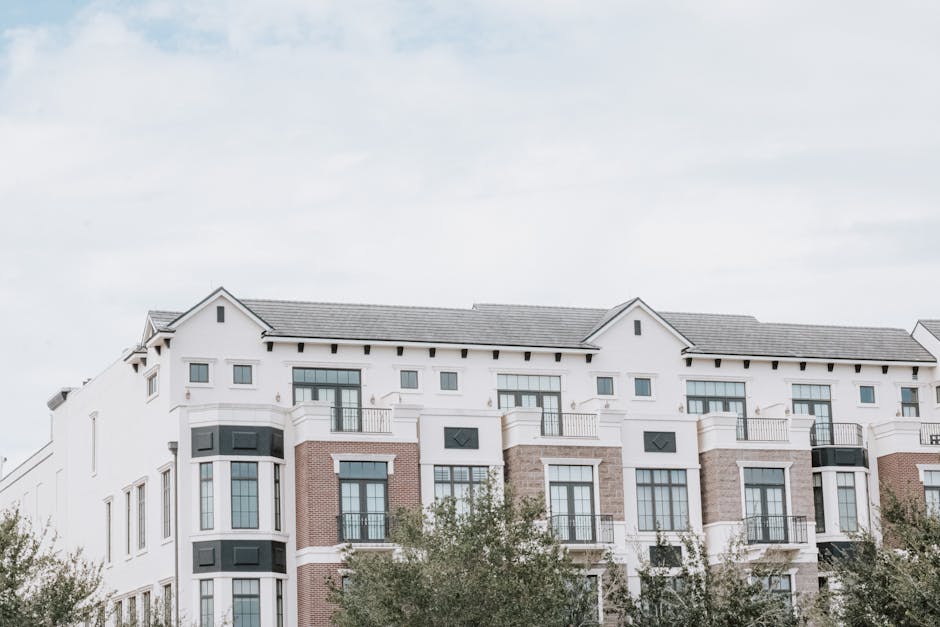
While traditional estates remain a staple, there is a growing segment of the market focused on ultra-luxury vertical living. Tampa is currently recognized as an early-stage luxury condo market, offering a window of opportunity for buyers to enter high-rise developments before the next wave of price appreciation. These properties appeal to a demographic that values “lock-and-leave” convenience without sacrificing the amenities or finishes found in a sprawling estate.
The current crop of luxury towers in the Water Street and Westshore areas is redefining what it means to live in Tampa. These buildings are not just residential structures; they are curated environments with service levels that mimic five-star hotels. For many buyers, the move to a condo is a strategic one, allowing them to maintain a presence in the city’s core while benefiting from professional management and consolidated maintenance. This trend is particularly strong among buyers who split their time between multiple global locations.
Comparing the value proposition of a high-rise residence to a single-family home in South Tampa requires a nuanced understanding of lifestyle priorities. While a home in Hyde Park offers historical charm and private grounds, a penthouse at Water Street provides unmatched views and immediate access to the city’s most sophisticated social and cultural venues. Both asset classes are performing well, but the growth potential in the condo sector is bolstered by the limited supply of buildable land in the urban center, ensuring that these vertical assets remain exclusive.
Strategic Analysis of Emerging Neighborhood Corridors
Beyond the established landmarks of South Tampa, we are observing significant value growth in corridors that were previously overlooked by the luxury sector. Neighborhoods like Westchase and areas along the Northwest Expressway are seeing the arrival of custom-built estates that rival the quality of more traditional enclaves. For example, properties like the residence on Troutwater Lane, priced at $2,650,000, demonstrate the high level of finish and privacy available to buyers willing to look slightly outside the immediate city center.
These emerging areas offer a different value proposition, often providing larger lot sizes and newer infrastructure. The move toward these corridors is driven by a desire for space and a more quiet residential environment, while still maintaining a reasonable commute to the Westshore business district or the airport. For families, the proximity to top-rated schools and private clubs in these areas is a major factor in the decision-making process, leading to a steady increase in median sale prices.
In the northern and western reaches of the county, we also see the development of equestrian-capable estates and expansive luxury compounds. The $3,000,000 listing on Gardner Road is a prime example of the diversification of the luxury product in Tampa. Buyers in this segment are often looking for a primary residence that functions as a private retreat, with ample room for guest houses, extensive landscaping, and outdoor entertainment areas. This variety in the market allows for a more tailored search, matching specific lifestyle needs with the right geographic location.
Due Diligence Checklist for High-Value Acquisitions
Navigating a high-stakes real estate transaction requires a methodical approach to due diligence. The complexity of Florida’s coastal and urban environments means that a standard home inspection is often insufficient for a luxury asset. Potential owners must look deeper into the structural, legal, and environmental factors that could impact long-term valuation and liability.
- Seawall and Dock Integrity: For waterfront properties, a specialized marine engineering report is essential to assess the remaining lifespan of seawalls and the legality of existing dock structures.
- Elevation and Flood Risk: Verify current elevation certificates and understand the implications of the latest FEMA maps on insurance premiums and future renovation permits.
- Coastal Construction Control Line (CCCL): Determine if any portion of the property falls seaward of the CCCL, which significantly restricts development and requires state-level approvals.
- Structural Forensic Audit: Beyond cosmetic finishes, an audit of the building envelope, roofing systems, and HVAC efficiency is critical for homes of a certain scale.
- HOA and Master Association Review: In gated communities or luxury towers, a thorough review of the association’s financial reserves and long-term capital improvement plans is mandatory.
- Privacy and Security Protocols: Evaluate existing integrated security systems and the potential for future development on adjacent lots that could impact sightlines or privacy.
Completing these steps ensures that the acquisition is not just a lifestyle choice but a sound financial decision. In a market where the average list price exceeds $3,200,000, the cost of overlooking a technical detail can be substantial. Working with a dedicated advisor who understands these specific Florida nuances is the most effective way to mitigate risk and secure a high-performing asset.
Market Resilience Amid National Volatility
A recurring question among private wealth investors is the sustainability of the Florida market in the face of shifting national economic indicators. However, the Tampa Bay luxury market remains strong despite national declines, largely due to the fundamental imbalance between supply and demand. With only 120 luxury units currently available, the scarcity of high-quality inventory continues to support pricing and encourage competitive bidding on premier assets.
This resilience is further bolstered by the state’s broader economic health. Reports from Florida Trend indicate that the migration of corporate headquarters and high-income professionals to the region is a long-term trend, rather than a temporary surge. This influx of capital creates a self-sustaining ecosystem where luxury residential growth is supported by commercial investment and infrastructure improvements.
Additionally, the lifestyle appeal of the region continues to be a major draw. From high-profile events in downtown Tampa to the quiet sophistication of the St. Petersburg waterfront, the cultural calendar is packed with reasons to make this a permanent home. Whether it’s weekend festivals or downtown family gatherings, the area offers a level of engagement that is deeply attractive to active families and professionals. This combination of economic stability and cultural richness makes the local real estate market a compelling choice for wealth preservation.
Final Considerations for the Strategic Buyer
Success in the current market requires a shift in perspective. Instead of viewing a home as a static purchase, it should be approached as a dynamic asset within a growing metropolitan portfolio. The limited inventory of 120 luxury listings means that timing and preparedness are the most critical variables in a successful acquisition. Buyers who have their financing structured and their due diligence team in place are the ones who will secure the most advantageous terms.
As we look toward the remainder of 2026, the trajectory for Tampa remains positive. The continued development of the waterfront and the expansion of the luxury condo sector are providing new avenues for investment that did not exist five years ago. This evolution is transforming the city into a global destination, making the current entry point particularly attractive for those with a long-term outlook.
Whether you are analyzing a modern residence on Gardner Road or a historic estate in South Tampa, the key is to prioritize assets that offer a clear path to appreciation and a high level of utility. The market is nuanced, and the differences between neighborhoods can have significant implications for lifestyle and resale value. By focusing on data-driven decisions and professional guidance, you can navigate this landscape with confidence.
To explore the current selection of high-value assets and historical estates, we invite you to browse our curated listings of exceptional properties. For a confidential discussion regarding your specific acquisition goals or a detailed analysis of a particular neighborhood, please contact a private advisor today. Our team is dedicated to providing the technical expertise and local insight required to navigate the complexities of the Tampa luxury real estate market.
Your next move in Tampa luxury
Get current inventory, pricing guidance, and private-tour support from our brokerage team.
Source highlights
- Tampa Bay’s most expensive luxury home sales of 2025 – Tampa Bay Times
- Tampa Bay luxury market grows stronger despite national declines – The Business Journals
- Why Tampa remains an early-stage luxury condo market – Tampa Bay Business & Wealth
- Tampa Bay’s Waterfront Emerges as a Primary Luxury Real Estate Market – The National Law Review
- Florida Trend Real Estate – Florida Trend
- New Signature Real Estate Team Emerges Across Tampa Bay: The Nick Janovsky Group Launches with Premier Sotheby’s International Realty – citybiz
- Things To Do In Tampa This Weekend: Best Festivals & Events Going On – That's So Tampa
- Things To Do In St Pete This Weekend: Best Festivals & Events Going On In St Petersburg – I Love the Burg



