


The Structural Shift to a Primary Luxury Market
As we move through the second quarter of 2026, the Tampa luxury real estate sector is demonstrating a level of structural resilience that distinguishes it from other high-growth metros. While national figures may suggest a softening in the high-end segment, the local environment continues to see compression in quality inventory. With approximately 120 active luxury listings currently available, the market is defined by a scarcity of turnkey assets in established enclaves. The median list price has stabilized near the $2,500,000 mark, reflecting a permanent upward shift in valuation rather than a transient spike.
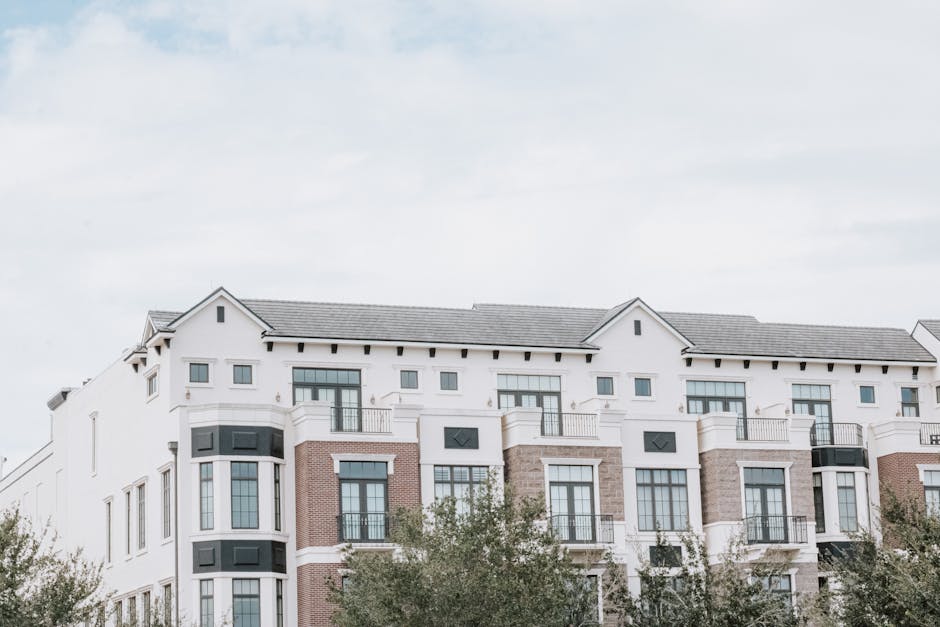
This maturation is not merely a result of migration patterns but a fundamental reassessment of the region as a primary destination for wealth. Significant capital is no longer just passing through; it is being anchored in high-spec residential builds and extensive renovations. Buyers in this cycle are exhibiting a preference for architectural permanence and sophisticated infrastructure, moving away from the speculative buying of previous years. For the informed advisor, the current inventory—including unique opportunities like the Troutwater Lane estate listed at $2,650,000—represents a stabilized asset class with long-term utility.
The data-backed reality is that Tampa Bay luxury market grows stronger despite national declines, confirming its status as a hedge against broader economic volatility. This strength is particularly visible in the average list price, which currently sits at $3,293,572. This figure is driven by a concentration of ultra-luxury offerings that have redefined the ceiling for the region. Buyers are increasingly sophisticated, arriving with an expectation of high-level advisory and empirical data rather than marketing rhetoric.
Waterfront Dynamics and the South Tampa Corridor
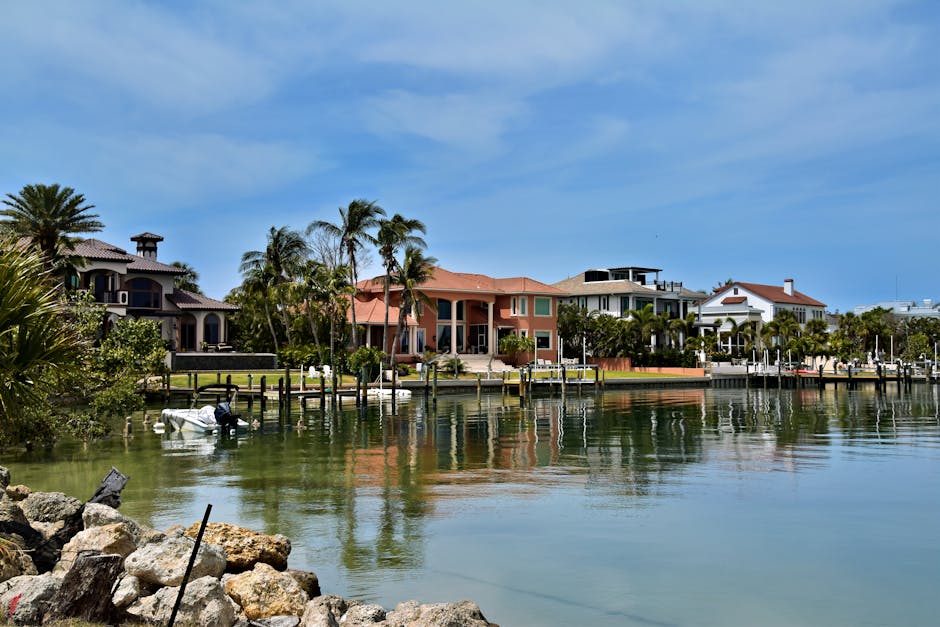
The emergence of Tampa’s waterfront as a primary luxury market has been a defining trend of the current decade. Areas such as Davis Islands and the Bayshore Boulevard corridor are no longer viewed as seasonal retreats but as year-round residential hubs for high-net-worth individuals. This shift is explored in depth by The National Law Review, which notes the transition of Florida’s waterfront into an institutional-grade residential category. The scarcity of riparian rights and the finite nature of shoreline land have created a perpetual demand that transcends typical market cycles.
In South Tampa, the inventory focuses on a mix of historic restorations and modern coastal architecture. Properties like the Memorial Highway estate, priced at $3,800,000, illustrate the premium placed on large parcels with significant water frontage. Buyers in this segment are prioritizing privacy and sophisticated security measures, often choosing properties that offer a buffer from public view without sacrificing proximity to the city’s commercial core. The behavior here is calculated; buyers are analyzing the long-term viability of shoreline protection and the elevation of these assets.
We are also seeing a shift in the profile of the waterfront buyer. The traditional vacation-home seeker has been replaced by the executive or entrepreneur who requires a fully integrated office environment and high-speed infrastructure. These homes are being treated as the primary operational base, which has increased the emphasis on internal technology and resilient design. When evaluating these properties, it is essential to look beyond the aesthetics and scrutinize the engineering of the dockage, sea walls, and flood mitigation systems that protect the investment.
The Maturation of the High-Rise Sector
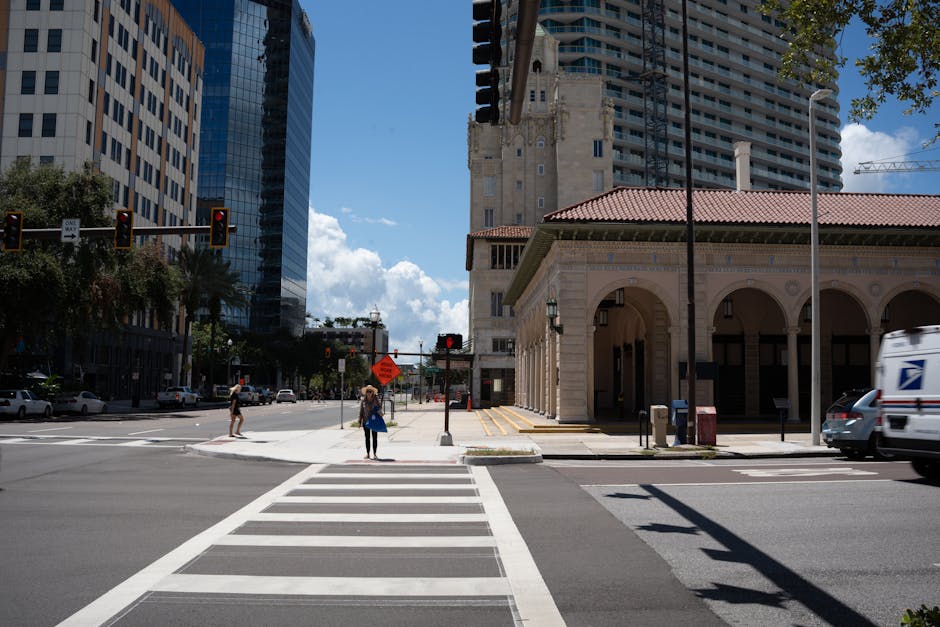
While the single-family market remains the bedrock of Tampa luxury, the high-rise sector is entering a new phase of maturation. Historically, the region was considered an early-stage market for luxury vertical living, but that perception is shifting as new signature projects reach completion. According to Tampa Bay Business & Wealth, the development of luxury condos is becoming a critical component of the downtown landscape. This is providing a much-needed alternative for those seeking the lock-and-leave convenience of a full-service building.
The current demand for condos is driven by a desire for amenity-rich environments that include 24-hour concierge services, private elevators, and integrated wellness centers. This trend is particularly strong among buyers downsizing from large South Tampa estates who wish to remain in the area while reducing the maintenance requirements of a standalone property. The quality of finishes and the level of service in these new buildings now rival those of traditional hubs like Miami or Naples, further solidifying Tampa’s reputation as a top-tier destination.
Acquiring a high-rise asset in this environment requires a different set of analytical tools. Potential owners must evaluate the fiscal health of the homeowner association, the long-term outlook for surrounding development, and the exclusivity of the building’s amenity package. As more inventory becomes available, the focus will inevitably shift to buildings that offer unique architectural identity and a high ratio of staff to residents. For those prioritizing a sophisticated urban lifestyle, the high-rise segment offers a compelling entry point into the local market.
2026 Luxury Acquisition Checklist
Navigating a market with a $2.5M median requires a methodical approach to due diligence. The following checklist identifies the critical factors that current buyers should verify before committing to an acquisition in the Tampa region:
- Verify the structural integrity and elevation of waterfront sea walls and drainage systems.
- Assess the sophistication of smart home integration, focusing on security and environmental controls.
- Analyze recent neighborhood sales data to ensure valuations align with current market movement.
- Evaluate the privacy profile of the property, including mature landscaping and sightlines from neighbors.
- Review the maintenance history of high-end mechanical systems, including HVAC and salt-air mitigation.
- Check the proximity to key transit hubs and private aviation facilities for logistical convenience.
Analyzing Sub-Market Movements: Beyond the Shoreline
While the waterfront often captures the headlines, significant movement is occurring in the luxury sub-markets located further inland. Areas like Westchase and the northwest corridors are seeing a surge in demand for large, modern estates that offer more acreage than is typically available in the city center. A prime example is the Gardner Road property listed at $3,000,000, which offers a level of seclusion and land that is increasingly rare in the South Tampa market. These properties appeal to buyers who value space, dedicated equestrian facilities, or multi-generational living arrangements.
The growth in these sub-markets is supported by a robust infrastructure and the expansion of high-end commercial services. We are seeing a decentralization of luxury, where affluent buyers are willing to trade the immediate proximity of the bay for a more expansive and private environment. This shift is particularly evident in the increase of custom-built estates that feature specialized hobby rooms, expansive outdoor kitchens, and professional-grade fitness centers. The inland market offers a different value proposition, often providing more square footage per dollar while maintaining high standards of finish.
From an investment perspective, these inland enclaves often offer more stability during periods of environmental concern. Buyers are becoming more attuned to the long-term costs of insurance and maintenance on the coast, making these high-ground alternatives increasingly attractive. When comparing properties, it is important to consider the total cost of ownership and the lifestyle benefits of a more spacious parcel. The diversification of the luxury footprint is a healthy sign for the overall market, indicating that there is no longer a single ‘right’ place to own at the high end.
Tactical Considerations for the 2026 Buyer
Success in today’s environment requires a tactical mindset and a willingness to act decisively when a quality asset appears. The current inventory of 120 luxury homes means that while there is choice, the competition for the top 10% of those properties remains intense. Buyers should be prepared for a rigorous appraisal process and should have their financing or proof of funds established well in advance. Negotiation in this cycle is less about drastic price reductions and more about terms, closing timelines, and the inclusion of specific high-end finishes or furnishings.
Working with an advisor who understands the neighborhood-level nuances of Tampa is critical. Whether you are looking at Hyde Park, Beach Park, or Culbreath Isles, the micro-market data can vary significantly between adjacent streets. Understanding the historical context of a property and the future development plans for the surrounding area can save a buyer from making a costly mistake. The objective is to secure an asset that not only serves as a functional residence but also as a stable component of a broader wealth strategy.
Insurance and regulatory compliance should also be front-of-mind. Florida’s real estate landscape is subject to evolving standards regarding building codes and environmental protections. Ensuring that a property is fully compliant with the latest requirements is a non-negotiable step in the acquisition process. For a comprehensive overview of the current options, you should browse our luxury listings for sale to identify the properties that align with your specific criteria and long-term goals.
April in Tampa: Lifestyle and Market Velocity
The month of April brings a unique energy to the Tampa market, with temperatures hovering between 28 and 30 degrees Celsius (82-86 degrees Fahrenheit) and clear skies. This seasonal window is often the peak period for property tours and social activity, as the region hosts a variety of high-profile events. From the festivals in downtown to the bustling activity in St. Petersburg, there is a wealth of weekend festivals and events that draw tens of thousands of visitors. This influx of visitors often translates into increased market activity as prospective buyers experience the region’s lifestyle firsthand.
The convergence of ideal weather and a packed cultural calendar creates a sense of urgency in the market. Local news reports, such as those from FOX 13 Tampa Bay, highlight the density of downtown family fun and major concerts that characterize these spring weekends. For the luxury buyer, this is an opportune time to observe how the city’s infrastructure handles major events and to gauge the vibrancy of the neighborhoods they are considering. The high-end segment is inextricably linked to this broader cultural health, as the amenities of the city drive the desirability of the residential real estate.
If you are considering a transition into the Tampa market or looking to expand your existing portfolio, the current window offers a rare combination of stable pricing and high-quality inventory. The shift from a secondary to a primary luxury market is nearly complete, and the opportunities to secure prime assets will only become more constrained as we move further into the year. To begin a confidential discussion regarding your requirements and to receive a tailored analysis of the current inventory, please contact an advisor today. We are prepared to provide the data, insight, and local expertise necessary to ensure a successful acquisition in this maturing market.
Your next move in Tampa luxury
Get current inventory, pricing guidance, and private-tour support from our brokerage team.
Source highlights
- Tampa Bay’s most expensive luxury home sales of 2025 – Tampa Bay Times
- Tampa Bay luxury market grows stronger despite national declines – The Business Journals
- Why Tampa remains an early-stage luxury condo market – Tampa Bay Business & Wealth
- Tampa Bay’s Waterfront Emerges as a Primary Luxury Real Estate Market – The National Law Review
- Florida Trend Real Estate – Florida Trend
- New Signature Real Estate Team Emerges Across Tampa Bay: The Nick Janovsky Group Launches with Premier Sotheby’s International Realty – citybiz
- Things To Do In Tampa This Weekend: Best Festivals & Events Going On – That's So Tampa
- Things To Do In St Pete This Weekend: Best Festivals & Events Going On In St Petersburg – I Love the Burg



