


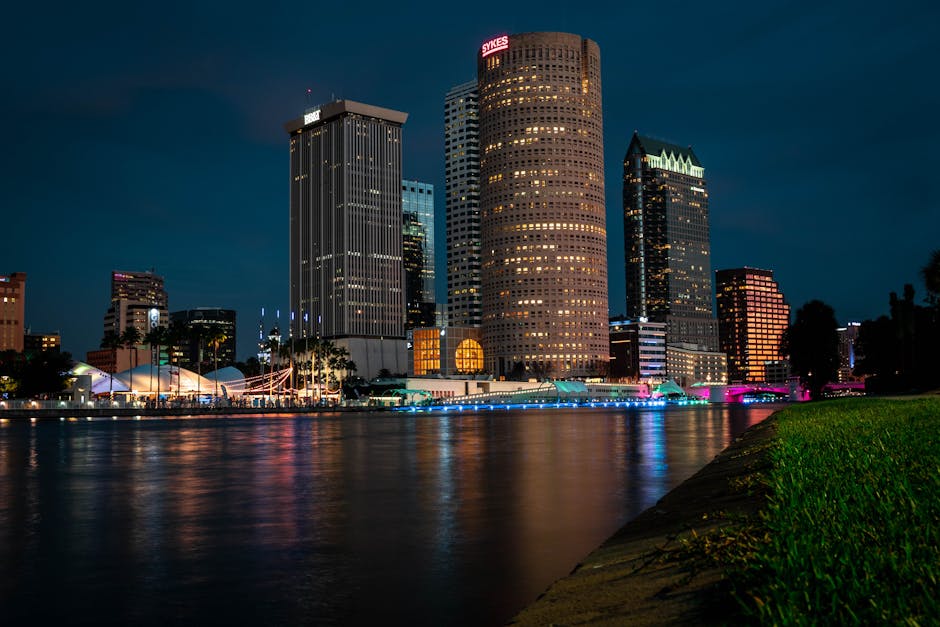
The Transition of the Tampa Luxury Landscape
As we navigate the second quarter of 2026, the Tampa luxury real estate sector has fundamentally altered its identity. Historically categorized as a high-growth secondary market, the region has matured into a primary destination for permanent relocation and substantial capital preservation. With a median list price currently stabilizing near $2,500,000 and an average list price exceeding $3,200,000, the data suggests a market that is no longer driven by speculative seasonal interest, but by long-term strategic residency. The influx of high-net-worth individuals from high-tax jurisdictions remains the primary catalyst, yet the local infrastructure and corporate migration are providing the necessary floor for these elevated valuations.
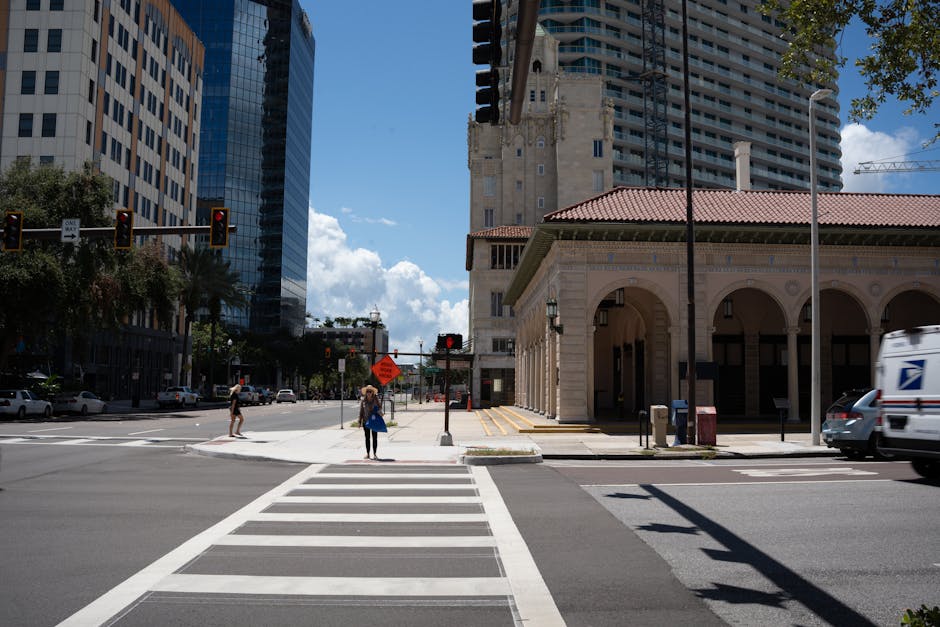
Market velocity within established corridors like South Tampa and Davis Islands remains resilient, even as broader national trends show signs of cooling. Investors and buyers are increasingly focusing on the intrinsic value of the location rather than just the aesthetic appeal of the structures. This shift in perspective is documented by reports noting that Tampa Bay luxury market grows stronger despite national declines, reinforcing the city’s status as a defensive hedge against volatility. For the private advisor, the task is now to distinguish between assets that offer genuine architectural significance and those that are merely priced to match the neighborhood average.
Waterfront Scarcity and the New Development Frontiers
Waterfront assets have long defined the upper echelon of the local market, but the definition of ‘premium’ is expanding. Historically, Bayshore Boulevard and Davis Islands held the monopoly on high-valuation sales. However, we are seeing a significant emergence of waterfront corridors as primary luxury markets, a trend highlighted by The National Law Review. This institutional recognition of the area’s shoreline confirms that the legal and financial frameworks supporting these developments are robust, providing further confidence for buyers considering multi-million dollar acquisitions in areas like Westshore and Beach Park.
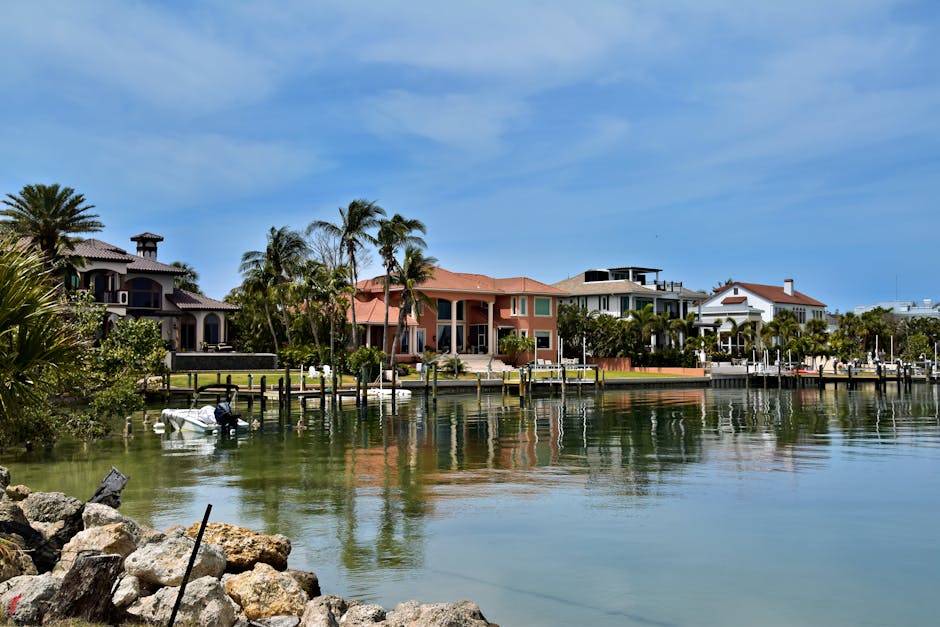
Inventory constraints remain the greatest challenge for buyers. With only 120 active luxury listings across the region, competition for rare parcels—such as the significant estates along Gardner Road or the private enclaves of Memorial Highway—has become intensely focused. This scarcity is driving a new wave of custom construction, where buyers are opting to secure land and invest in bespoke architectural designs rather than settling for existing inventory. This ‘buy-to-build’ mentality is a hallmark of a primary market where residents are willing to wait for a property that meets 100% of their functional and aesthetic requirements.
The Maturation of the High-Rise Condo Sector
While single-family estates remain the preference for many, the high-rise luxury sector is entering its next phase of evolution. Compared to established markets like Miami, Tampa has traditionally been viewed as an early-stage luxury condo environment. Current analysis from Tampa Bay Business & Wealth explores why the city maintains this early-stage status, citing a focus on boutique, service-heavy developments rather than mass-market towers. This approach ensures that the supply remains limited, protecting the resale value of units in premier buildings.
Strategic buyers are prioritizing buildings that offer more than just a view; they are looking for comprehensive security, private elevator access, and wellness-focused amenities that rival five-star hospitality. The shift toward vertical living is particularly evident among local sellers who are downsizing from large South Tampa estates but wish to remain within the same social and geographic sphere. This internal movement within the market provides a steady stream of demand that is independent of external migration trends, further stabilizing the luxury condo ecosystem.
Essential Due Diligence for Tampa Luxury Acquisitions
Purchasing at the multi-million dollar level requires a more rigorous analytical framework than a standard residential transaction. The complexity of coastal construction, evolving building codes, and the specifics of local neighborhood covenants must be handled with precision. Before committing to a high-end acquisition in the current climate, consider these critical factors:
- Verification of seawall integrity and recent engineering certifications for all waterfront parcels.
- Assessment of flood elevation levels relative to the most recent FEMA maps and local building requirements.
- Proximity to elite educational institutions in South Tampa, which remains a primary driver for neighborhood price retention.
- Evaluation of private dockage permits and riparian rights for properties along the Hillsborough Bay or Old Tampa Bay.
- Analysis of historical price-per-square-foot trends within specific sub-neighborhoods like Palma Ceia or Sunset Park.
- Review of recent neighborhood development approvals to ensure long-term privacy and view preservation.
By conducting this level of research, buyers can move beyond the surface-level appeal of a property and understand its true long-term viability. Strategic advisors often suggest that the ‘missing’ information—what isn’t in the brochure—is usually where the most significant risks and opportunities lie.
Buyer Behavior and the Nuances of Domestic Migration
The profile of the Tampa luxury buyer has become increasingly sophisticated. We are seeing a move away from the ‘flashy’ purchases of the early 2020s toward a more understated, quality-first approach. Buyers are inquiring about building materials, energy efficiency, and advanced home automation systems that offer both convenience and security. This analytical approach is reflective of a buyer pool that is largely composed of entrepreneurs and executives who apply the same due diligence to their residences as they do to their business ventures. According to data from Florida Trend, the real estate sector continues to be a primary pillar of the state’s economic strength, largely due to this consistent influx of professional class wealth.
Local movement also tells a compelling story. Families are migrating from the downtown core to the quieter, canopy-lined streets of Golfview and Beach Park as they seek more substantial square footage and private outdoor spaces. The desire for ‘walkable luxury’—proximity to high-end dining and retail without the density of the urban center—is driving significant interest in the peripheral areas of South Tampa. This balance of privacy and accessibility is the current gold standard for the modern Tampa resident.
Infrastructure, Events, and the Pulse of the Region
The livability of a luxury market is inextricably linked to its infrastructure and cultural calendar. The current week in Tampa serves as a prime example of the city’s increasing scale and gravity. Large-scale events, such as the major K-Pop weekend, draw tens of thousands of visitors and put the city’s logistics to the test. While these events create temporary traffic advisory situations, they also signal a city that can support world-class entertainment and high-density tourism—factors that ultimately support property values and commercial growth.
Furthermore, the local climate continues to be a primary draw. With April temperatures reaching a comfortable high in the 80s and minimal rain, the outdoor-centric lifestyle remains a tangible benefit of the region. Whether it is a weekend spent on the water or attending local festivals, the ability to enjoy the environment year-round is a non-negotiable factor for those relocating from more volatile climates. This consistency of lifestyle is what transforms a temporary residence into a permanent home, providing the psychological foundation for the region’s real estate growth.
Strategic Outlook for the 2026 Luxury Market
Navigating the Tampa luxury market requires a departure from traditional real estate thinking. The market is currently defined by a ‘flight to quality,’ where the most well-positioned and well-constructed assets continue to command a premium, while more generic properties may see longer days on market. Success in this environment is found through neighborhood-level expertise and a deep understanding of off-market inventory. As we look toward the latter half of 2026, the focus will remain on scarcity and the continued emergence of the waterfront as the city’s most valuable asset class. Buyers who act with speed on high-conviction properties are finding the most success, particularly as the inventory of truly unique estates remains near historical lows.
To navigate these complexities with a professional advisor who understands the nuances of the South Tampa and waterfront markets, we invite you to begin your search with our curated collection of active listings. Our team provides the analytical brief and local insight necessary to make informed decisions in a competitive landscape. To view the current inventory of high-end estates and waterfront properties, explore our LISTINGS URL or reach out to us directly through our CONTACT URL to schedule a confidential consultation regarding your real estate strategy.
Your next move in Tampa luxury
Get current inventory, pricing guidance, and private-tour support from our brokerage team.
Source highlights
- Tampa Bay’s most expensive luxury home sales of 2025 – Tampa Bay Times
- Tampa Bay luxury market grows stronger despite national declines – The Business Journals
- Why Tampa remains an early-stage luxury condo market – Tampa Bay Business & Wealth
- Tampa Bay’s Waterfront Emerges as a Primary Luxury Real Estate Market – The National Law Review
- Florida Trend Real Estate – Florida Trend
- New Signature Real Estate Team Emerges Across Tampa Bay: The Nick Janovsky Group Launches with Premier Sotheby’s International Realty – citybiz
- Tampa officials expect heavy traffic, tens of thousands of visitors over a packed K-Pop weekend – wtsp.com
- From Blues to BBQ: Tampa’s can’t-miss events this weekend – WMNF 88.5 FM



