


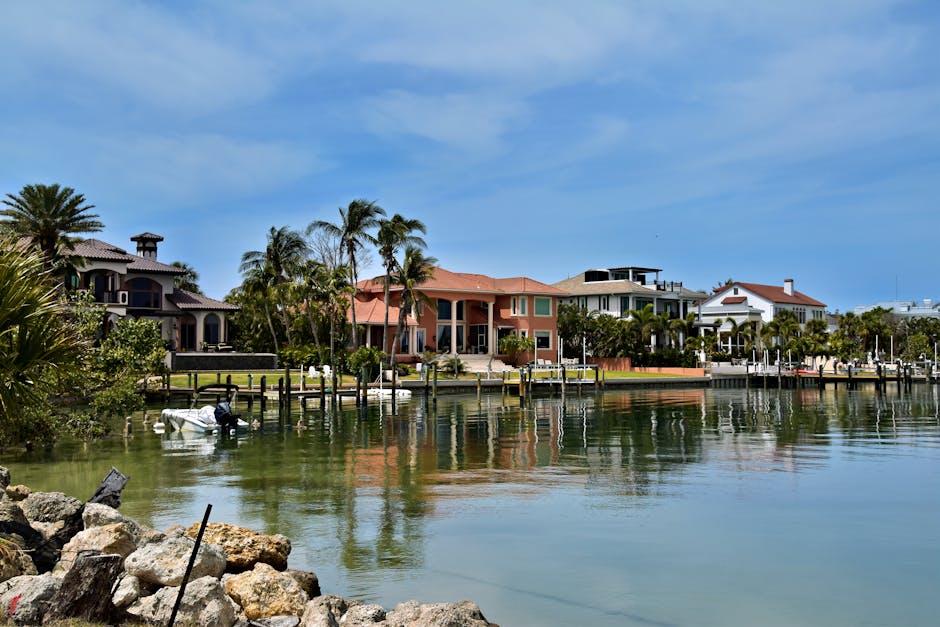
The Maturation of a Primary Luxury Market
Tampa Bay is no longer viewed as a secondary alternative to established South Florida hubs. Recent data and market activity indicate a definitive shift toward primary market status, driven by sustained capital inflow and a fundamental change in buyer demographics. This transition is characterized by a move away from seasonal residency toward permanent, high-stakes investment in the local landscape. As the region matures, the criteria for luxury have evolved from simple square footage to integrated architectural integrity and advanced technological infrastructure.
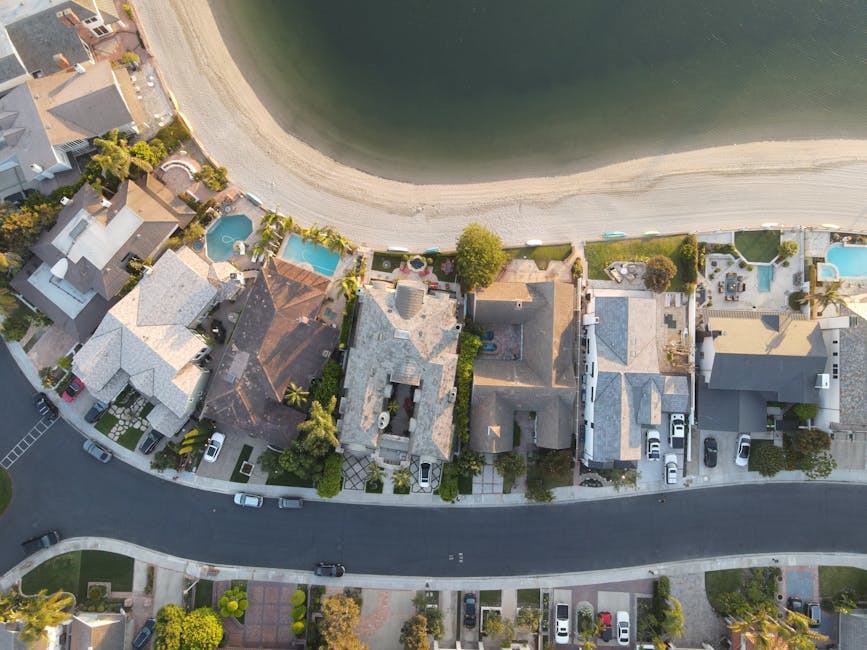
According to research highlighted in The National Law Review, the waterfront has emerged as the cornerstone of this new primary market designation. The scarcity of shoreline remains the primary driver of value, yet the definition of value now includes resiliency and sophisticated environmental engineering. For the private advisor, the focus is on identifying properties that offer long-term stability in a rapidly appreciating environment.
The current median list price in the luxury tier stands at approximately $2,500,000, a figure that reflects the consistent demand for high-caliber assets. This pricing stability is supported by a limited inventory of only 120 active luxury listings, creating a competitive environment for buyers seeking specific architectural styles or waterfront orientations. Analysis of Florida Trend Real Estate trends suggests that this scarcity will continue to define the market through 2026, necessitating a proactive and data-informed search strategy.

Geographic Shifts: South Tampa and the Waterfront Corridor
South Tampa continues to serve as the benchmark for luxury living, particularly for those prioritizing proximity to top-tier private institutions and high-density social hubs. However, the market is expanding toward unique enclaves that offer greater privacy and larger lot sizes. Properties such as those on Gardner Road or Troutwater Lane represent a growing segment of the market where estate-sized parcels allow for custom builds that are increasingly difficult to secure in more congested coastal zones. These areas provide a distinct alternative to the high-activity corridors of Bayshore Boulevard while maintaining access to the city’s core.
The movement of capital is particularly evident in the record-breaking sales of the past year. Reviewing Tampa Bay’s most expensive luxury home sales of 2025 provides clear evidence of the ceiling being raised. High-net-worth individuals are prioritizing legacy properties that combine historical significance with modern upgrades, often opting for extensive renovations over new construction in established neighborhoods. This trend underscores the importance of location-based value that transcends temporary aesthetic preferences.
When comparing different neighborhoods, sophisticated buyers are looking at more than just the current streetscape. They are analyzing planned infrastructure improvements, municipal zoning changes, and the density of neighboring developments. In areas like Memorial Highway, the shift from traditional residential to more expansive, secluded estates reflects a desire for autonomy without sacrificing connectivity to International Plaza or Tampa International Airport. Navigating these nuances requires an advisor who understands the subtle shifts in neighborhood prestige before they are reflected in broader market data.
The Luxury Condo Evolution and Urban Density
The high-rise segment of the market is undergoing a significant transformation. While the coastal sprawl has traditionally favored single-family estates, the rise of full-service luxury towers in Downtown Tampa and St. Petersburg is redefining the urban experience. These developments are no longer just vertical residences; they are comprehensive lifestyle ecosystems offering concierge services, private wellness centers, and high-security access. This shift is particularly pronounced in St. Petersburg, where the definition of high-end living is moving toward hyper-amenitized environments.
As noted in The Business Journals, the evolution of the condo market in Downtown St. Pete reflects a broader regional trend. The focus has moved from standard luxury to ‘ultra-luxury,’ where floor plans are customized and privacy is prioritized through limited unit counts and private elevator entries. This change is driven by a demographic that values the convenience of urban living but requires the exclusivity of a private estate.
However, the Tampa condo market is still considered to be in its early stages compared to global benchmarks. Tampa Bay Business & Wealth suggests that while supply is increasing, the demand for high-end vertical living remains underserved. This creates a strategic window for buyers to secure positions in premier developments before the market fully matures. Identifying the right project involves evaluating the developer’s track record, the quality of the management team, and the long-term viability of the surrounding district.
Critical Selection Strategy and Due Diligence
Selecting a luxury asset in the current environment requires a rigorous evaluation process that extends beyond a simple site visit. The sophisticated buyer must account for market velocity and the unique characteristics of each property type. Use the following checklist to guide your initial assessment of any high-end acquisition in the region:
- Verify the status of existing structural warranties and recent environmental mitigation reports.
- Analyze the local inventory turnover rate to determine the asset’s liquidity within its specific neighborhood.
- Evaluate the proximity to planned municipal projects that could impact property privacy or accessibility.
- Review the property’s historical appreciation relative to the $2,500,000 median benchmark for the area.
- Assess the scalability of integrated home automation and security systems for future upgrades.
- Compare the cost per square foot against recent off-market sales in similar waterfront or inland corridors.
Each of these points represents a layer of risk management. In a market where the average list price exceeds $3.2 million, the margin for error in selection is significantly reduced. Effective due diligence ensures that a property serves not only as a functional residence but also as a resilient component of a broader financial portfolio. To explore the current inventory and apply these criteria to active listings, you may browse available luxury homes for sale in our curated selection.
Inventory Dynamics and Buyer Behavior
The current state of inventory dictates a high level of preparedness for potential buyers. With only 120 properties currently available in the luxury tier, the window for negotiation is often narrow. High-quality listings, particularly those that are correctly priced near the median, tend to attract multiple offers within days of entering the market. This speed is not a result of hype, but rather a reflection of the deep pool of qualified buyers who have been waiting for specific assets to become available. Residential properties remain the dominant focus, though there is a growing interest in land acquisitions for custom development.
Buyer behavior is increasingly influenced by the desire for turnkey solutions. While there is a subset of the market interested in renovation, the majority of active participants are seeking homes that are immediate-occupancy ready with high-end finishes already in place. This preference has led to a premium on properties that feature designer-led interiors and professional landscaping. Conversely, properties that require significant capital expenditure for modernization are seeing longer days on market, providing an opportunity for those with the resources to manage complex projects.
Investment in land is also rising, as evidenced by the diversity in property types within the top listings. For some, the path to a high-end residence involves starting with a prime parcel of land and assembling a custom team of architects and builders. This approach allows for total control over the finished product, though it requires a longer time horizon and a thorough understanding of local permitting processes. Regardless of the path chosen, the commitment to the Tampa market remains robust, fueled by the region’s overall economic health and lifestyle appeal.
Local Connectivity and Cultural Velocity
Beyond the physical structures, the value of a luxury residence is inextricably linked to the cultural and social connectivity of its location. Tampa’s calendar is increasingly populated with world-class events that draw international attention, from major sporting events to cultural festivals. For instance, the region frequently manages high-volume traffic for events like the upcoming K-Pop weekend and various downtown festivals, demonstrating its capacity to host large-scale activities while maintaining urban functionality. These events are not merely entertainment; they are indicators of a city with the infrastructure to support a high-net-worth population.
The integration of high-end real estate with local culture is evident in the emergence of new advisory teams designed to bridge the gap between global standards and local expertise. The launch of the Nick Janovsky Group, as reported by citybiz, highlights the demand for specialized knowledge in navigating the intricacies of the Tampa Bay market. As the city continues to attract attention from global luxury brands and organizations, the value of local insight becomes even more critical for those looking to establish a presence here.
Understanding the seasonal rhythms and cultural milestones of the area is essential for any resident. From the annual Blueberry Festival to the high-energy events at the waterfront, the lifestyle in Tampa is active and diverse. These factors contribute to the long-term desirability of the region, ensuring that a real estate acquisition is supported by a robust and engaging community. When evaluating a home, consider how its location facilitates access to these events and how the surrounding environment supports your desired level of engagement with the city.
A Strategic Framework for Decision Making
Success in the Tampa luxury market requires a combination of patience and decisiveness. While it is necessary to wait for the right asset, one must be prepared to act immediately when that asset appears. This readiness comes from having a clear understanding of your priorities—whether that is a specific waterfront orientation in South Tampa or a high-service condo in the urban core. Working with an advisor who can provide neighborhood-level implications and empirical data is the most effective way to navigate this landscape without falling into common pitfalls.
The market will continue to evolve, but the fundamental appeal of Tampa Bay remains constant: a combination of high-caliber real estate, strategic location, and a sophisticated cultural environment. As you move from the consideration stage to active acquisition, focus on the details that ensure long-term value. Examine the data, verify the structural integrity of your choices, and align your investment with the broader movements of the market. This analytical approach is what separates a standard purchase from a strategic addition to your portfolio.
For those ready to transition from research to action, the current inventory offers several high-potential opportunities for discerning buyers. We invite you to contact a private advisor to discuss your specific requirements and gain access to detailed market reports and off-market opportunities. Our team is dedicated to providing the analytical depth and neighborhood-level expertise necessary to facilitate a successful acquisition in this competitive primary market.
Your next move in Tampa luxury
Get current inventory, pricing guidance, and private-tour support from our brokerage team.
Source highlights
- Tampa Bay’s most expensive luxury home sales of 2025 – Tampa Bay Times
- Downtown St. Pete's definition of luxury condos shifts as the city evolves – The Business Journals
- Why Tampa remains an early-stage luxury condo market – Tampa Bay Business & Wealth
- Tampa Bay’s Waterfront Emerges as a Primary Luxury Real Estate Market – The National Law Review
- Florida Trend Real Estate – Florida Trend
- New Signature Real Estate Team Emerges Across Tampa Bay: The Nick Janovsky Group Launches with Premier Sotheby’s International Realty – citybiz
- Tampa officials expect heavy traffic, tens of thousands of visitors over a packed K-Pop weekend – wtsp.com
- From Blues to BBQ: Tampa’s can’t-miss events this weekend – WMNF 88.5 FM



