


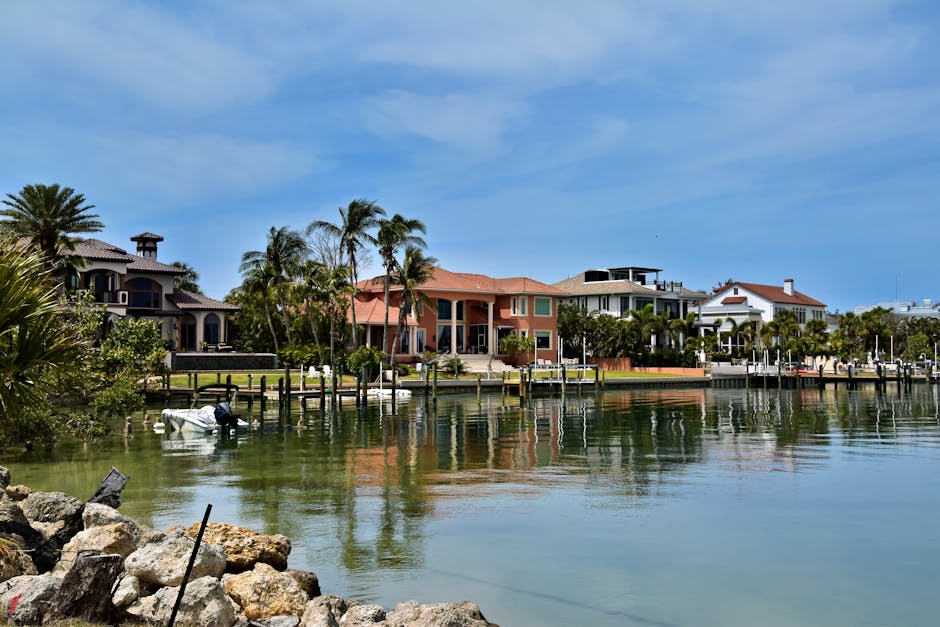
The Tampa luxury real estate sector is currently navigating a period of structural maturation, transitioning from a secondary vacation destination into a primary global market. With 120 active luxury listings and a median list price established at $2,500,000, the market demonstrates a calculated stability that contrasts with the volatility seen in other Florida corridors. Buyers are no longer merely seeking square footage; they are prioritizing architectural integrity, advanced private infrastructure, and proximity to the city’s evolving urban core. This shift is most evident in the waterfront districts where the demand for modern, high-specification builds continues to outpace current inventory levels.
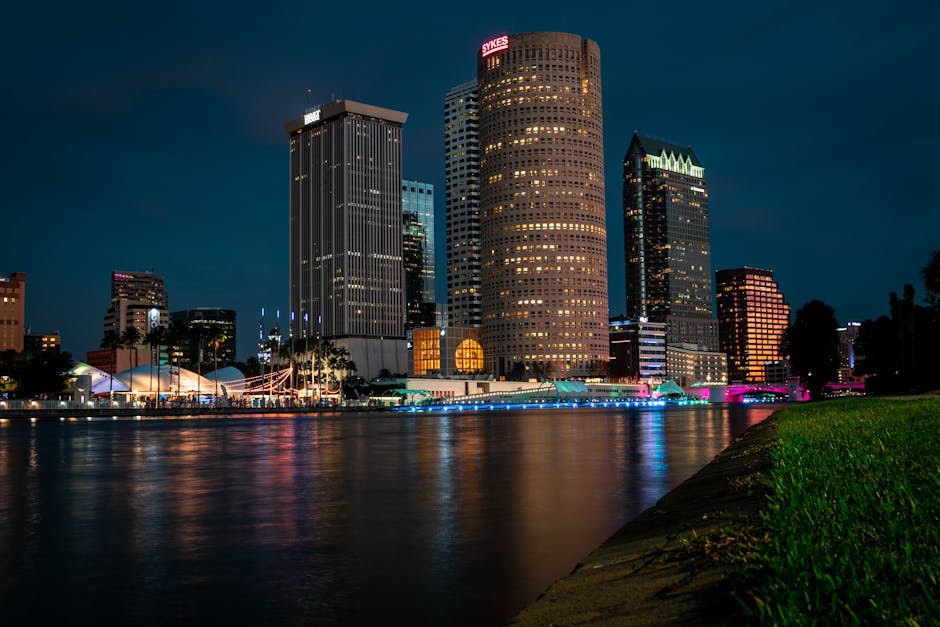
For the sophisticated investor or primary resident, the current average list price of $3,281,447 serves as a benchmark for high-tier acquisitions, particularly in neighborhoods like Davis Islands and along Bayshore Boulevard. The inventory remains concentrated in traditional residential builds, yet there is a discernible pivot toward high-density luxury that offers the same level of privacy as a detached estate. Understanding this transition requires a granular look at how land value is being redefined in a city that is rapidly expanding its commercial and cultural footprint while maintaining the intimacy of its most established enclaves.
The Structural Shift Toward Primary Waterfront Assets
Tampa’s waterfront has historically been viewed through the lens of seasonal occupancy, but recent data suggests a fundamental change in buyer behavior. As noted by the National Law Review, the Gulf Coast is emerging as a primary market for those seeking permanent relocation, driven by a combination of favorable tax environments and significant corporate migrations. This has led to a compression of cap rates for waterfront land and an increase in the valuation of existing estates that offer deep-water access or unobstructed bay views.
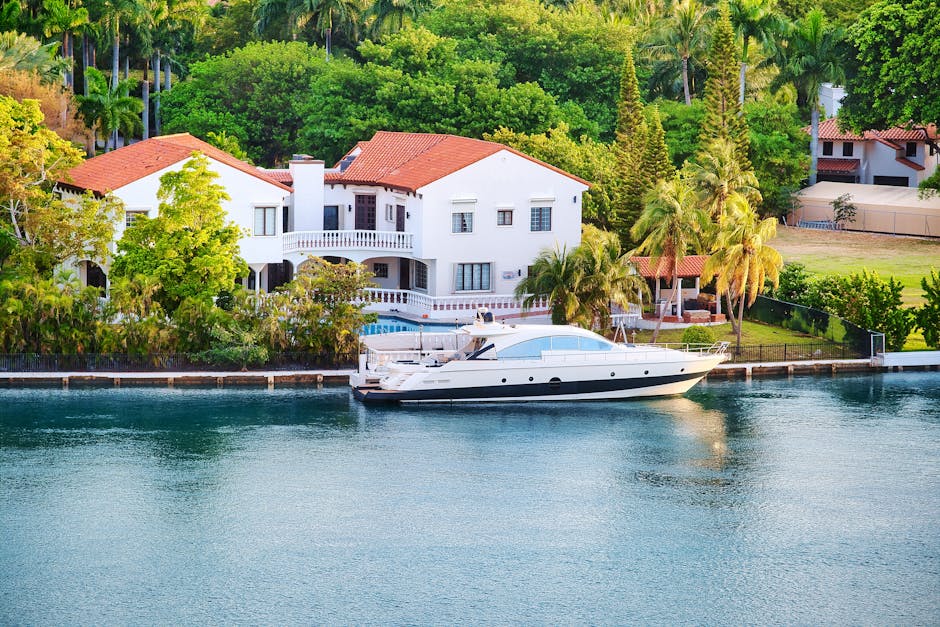
The maturation of the market is also reflected in the type of inventory currently available. Properties such as the $3,800,000 listing on Memorial Highway exemplify the demand for substantial acreage within reach of the Westshore business district. These assets are increasingly viewed as legacy holdings, where the value is anchored by the scarcity of developable shoreline. Advisors are seeing a trend where buyers are willing to pay a premium for properties that have already undergone significant mitigation for flood resilience, reflecting a more risk-averse and technically informed buyer pool.
Furthermore, the integration of professional-grade amenities within private residences has become the standard. It is no longer enough to have a pool and a dock; the market now demands integrated wellness suites, high-capacity private galleries, and smart-home systems that manage climate and security with minimal latency. This evolution in taste is driving a renovation cycle in older South Tampa neighborhoods, where 1920s architecture is being thoughtfully expanded to meet the technological demands of 2026 without sacrificing the historical aesthetic that defines areas like Hyde Park.
Analyzing the Early-Stage Luxury Condo Paradox
While traditional estates remain the bedrock of the local market, the high-rise sector is entering what experts call an “early-stage” maturity phase. Unlike the saturated markets of Southeast Florida, Tampa’s vertical luxury market is still in its infancy, offering a unique window for value capture. According to Tampa Bay Business & Wealth, this early-stage designation suggests that the price ceiling for luxury condos has yet to be fully realized, providing a compelling narrative for those comparing vertical living to traditional residential ownership.
The shift is particularly visible in the evolution of downtown St. Petersburg and the Water Street district in Tampa. As The Business Journals report, the very definition of luxury in the condo market is shifting from mere height to service-oriented programming and architectural distinction. Buyers are gravitating toward developments that offer a seamless transition between indoor and outdoor living, with expansive terraces that function as private gardens in the sky. This trend is narrowing the gap between the privacy of a home and the convenience of a managed building.
Strategically, the choice between a condo and a detached residence often hinges on the buyer’s requirement for mobility. The lock-and-leave capability of a high-rise in the downtown core appeals to a globalized demographic that may divide their time between multiple cities. However, for those focused on asset appreciation through land ownership, the detached luxury market in neighborhoods like Beach Park or Palma Ceia remains the more traditional path. Both segments are currently supported by a low inventory environment, which maintains price floors even as broader economic conditions fluctuate.
Acquisition Due Diligence for the Affluent Buyer
Navigating the acquisition of a multi-million dollar asset in the current environment requires more than a simple inspection. Buyers must perform a comprehensive analysis of the property’s technical specifications, historical performance, and future surroundings. The complexity of Florida’s coastal building codes and the nuances of neighborhood-specific deed restrictions mean that the verification process is as critical as the negotiation itself. A successful acquisition is one where the buyer fully understands the long-term operational costs and the potential for future development in the immediate vicinity.
When evaluating listings like the $3,000,000 Gardner Road property or waterfront estates on Troutwater Lane, it is essential to look past the staging and focus on the fundamental structural elements. The quality of the seawall, the elevation of the first living floor, and the capacity of the electrical systems to handle modern EV charging and high-end automation are the true indicators of value. These factors will ultimately dictate the property’s liquidity in future market cycles and its ability to serve as a stable repository for capital.
- Verification of updated FEMA flood zone maps and the corresponding impact on structural insurance premiums.
- Assessment of deep-water dockage permits and the maintenance history of any existing maritime infrastructure.
- Audit of smart-home integration protocols to ensure compatibility with future hardware standards.
- Review of historical price appreciation trends within a three-mile radius, excluding non-luxury sales data.
- Investigation into local zoning changes or pending commercial developments that may alter privacy or view corridors.
- Analysis of HOA or neighborhood association reserves and long-term capital improvement plans.
The Impact of Urban Maturation on Residential Desirability
Tampa’s transformation is not limited to its residential skyline; the city’s urban fabric is becoming increasingly sophisticated. The proliferation of high-profile events and cultural shifts has a direct impact on the desirability of surrounding neighborhoods. For instance, the city recently managed significant traffic and visitor surges during a packed K-Pop weekend, demonstrating its capacity to host large-scale international audiences. This level of activity bolsters the value of downtown-adjacent luxury properties, as it signals a city that is active, accessible, and globally relevant.
Infrastructure management also plays a quiet but pivotal role in luxury valuations. Proactive measures, such as the City of Tampa’s traffic advisories for seasonal activities, reflect a municipality that is actively managing its growth. For the luxury homeowner, these operational details translate into a more predictable and high-quality living environment. It ensures that while the city expands, the prestige and accessibility of exclusive enclaves like Westshore or South Tampa are maintained through thoughtful planning and public-private coordination.
As the city matures, the “lifestyle” component of luxury real estate is becoming less about isolation and more about curated connectivity. The ability to move quickly from a private estate to a Michelin-starred dining experience or a major professional sports venue is a defining characteristic of the Tampa market. This urban-coastal synergy is what differentiates Tampa from more traditional, purely residential luxury markets. It offers a dynamic environment where the acquisition of real estate is also an investment in a specific, high-functioning urban ecosystem.
Strategic Position and Inventory Liquidity
The current state of the market, with approximately 120 units available, suggests a healthy level of competition for high-quality assets. The median price points reflect a market that has found its footing after several years of rapid appreciation. For sellers, this means that pricing must be disciplined and backed by clear data on property condition and unique architectural features. For buyers, it means that while there is room for negotiation on properties that require modernization, turnkey assets at the $3,000,000+ level remain highly contested and often move quickly.
Monitoring regional trends via authoritative sources like Florida Trend provides a broader perspective on the statewide movement of capital and how it filters down to the Tampa Bay area. The consistency of interest from both domestic and international buyers indicates that the local luxury sector is not a bubble, but a maturing asset class. The diversity of the inventory—ranging from historical South Tampa homes to modern waterfront masterpieces—ensures that the market can accommodate various investment strategies and lifestyle requirements.
Ultimately, the decision to enter the Tampa market in 2026 should be guided by a long-term view of the city’s trajectory. The ongoing development of the waterfront, the expansion of the commercial sector, and the steady influx of high-net-worth individuals all point toward a sustained demand for premium housing. Whether focusing on the emerging condo market or the established residential corridors, the emphasis must remain on the intrinsic value of the location and the technical superiority of the structure itself.
For those ready to evaluate the current market landscape, a strategic review of available inventory is the first step toward a successful acquisition. Navigating these complexities requires a dedicated advisor who understands the intersection of data, local nuance, and high-stakes negotiation. To begin your search and analyze the most recent market additions, browse our current luxury listings. When you are ready to discuss a specific property or a broader portfolio strategy, we invite you to contact an advisor for a confidential consultation.
Your next move in Tampa luxury
Get current inventory, pricing guidance, and private-tour support from our brokerage team.
Source highlights
- Tampa Bay’s most expensive luxury home sales of 2025 – Tampa Bay Times
- Downtown St. Pete's definition of luxury condos shifts as the city evolves – The Business Journals
- Why Tampa remains an early-stage luxury condo market – Tampa Bay Business & Wealth
- Tampa Bay’s Waterfront Emerges as a Primary Luxury Real Estate Market – The National Law Review
- Florida Trend Real Estate – Florida Trend
- New Signature Real Estate Team Emerges Across Tampa Bay: The Nick Janovsky Group Launches with Premier Sotheby’s International Realty – citybiz
- Tampa officials expect heavy traffic, tens of thousands of visitors over a packed K-Pop weekend – wtsp.com
- From Blues to BBQ: Tampa’s can’t-miss events this weekend – WMNF 88.5 FM



