


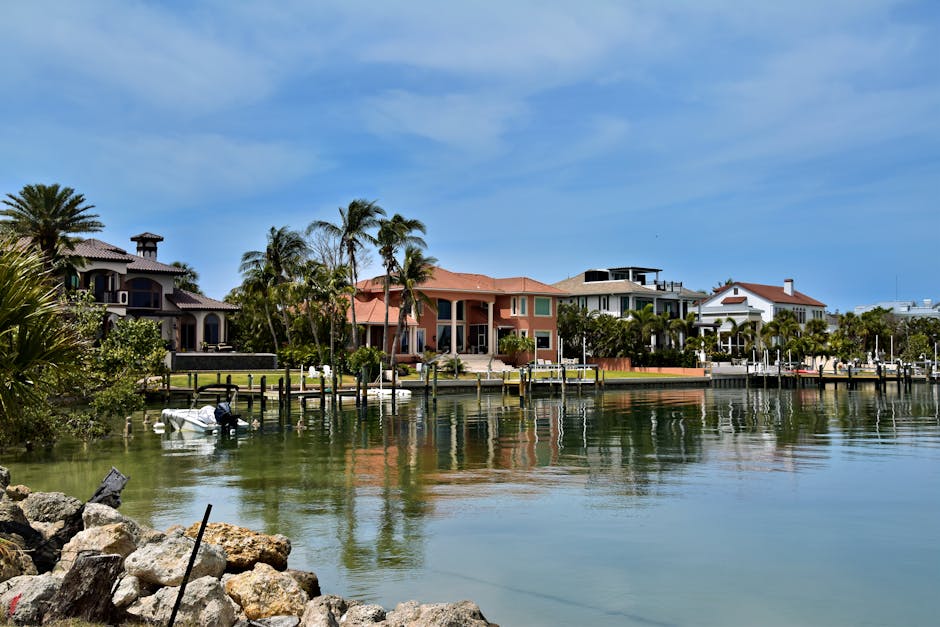
The Recalibration of Tampa’s Luxury Tiers
Tampa’s high-end residential landscape has undergone a fundamental structural shift. As of early 2026, the median list price for luxury assets has stabilized at $2,500,000, representing a transition from the volatile appreciation of previous years to a period of grounded, established value. For the sophisticated buyer, this represents a window of clarity where pricing is increasingly dictated by tangible architectural merit and neighborhood-specific utility rather than speculative sentiment. With approximately 120 active luxury listings currently available, the market offers a curated selection of properties ranging from historical estates to contemporary waterfront masterpieces.

Neighborhoods such as Davis Islands and the Bayshore Boulevard corridor continue to serve as the benchmark for local valuation. In these enclaves, inventory remains restricted, reflecting a buyer profile that prioritizes long-term asset preservation over short-term liquidity. This scarcity is a primary driver for the average list price of $3,281,447, a figure buoyed by significant transactions on properties like the $3,800,000 estate on Memorial Highway. These figures underscore a broader trend: Tampa is no longer a secondary market for coastal luxury but a primary destination for national capital.
Understanding the current inventory requires a nuanced look at property types. While residential estates dominate the volume, there is a growing interest in land acquisitions and commercial-to-residential conversions. This diversification suggests that institutional-grade thinking is permeating the private buyer space. Investors are increasingly looking at the underlying land value in areas like Beach Park and Culbreath Isles, recognizing that the finite nature of the Tampa shoreline creates a natural ceiling for supply that protects against regional downturns.
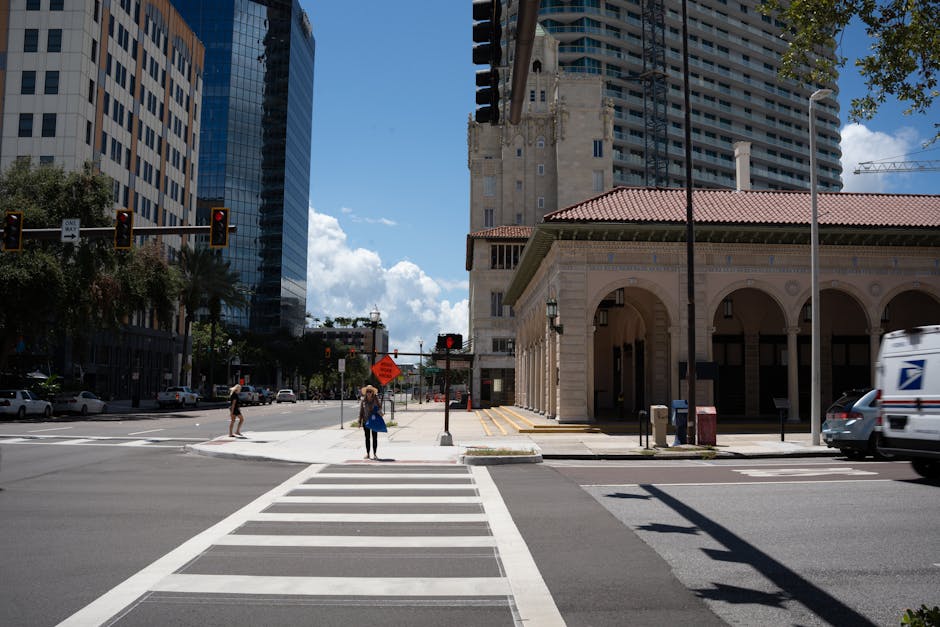
Waterfront Dynamics and New Shoreline Standards
The emergence of Tampa’s waterfront as a primary luxury real estate market is perhaps the most significant development of the last decade. According to reports from The National Law Review, the region is seeing a surge in sophisticated legal and structural standards for shoreline development. For a buyer, this means that a property’s value is now inextricably linked to its resilience and its compliance with evolving coastal construction lines. Deep-water access remains the gold standard, particularly for those looking to accommodate larger vessels with significant drafts.
The technical aspects of waterfront ownership in Tampa require more than just an appreciation for the view. Savory buyers are now scrutinizing sea wall integrity and riparian rights with the same intensity they apply to interior finishes. The market has moved toward a “fortified luxury” model, where the premium is paid for properties that exceed current FEMA elevation requirements. This shift is particularly visible in recent sales in South Tampa, where newly constructed estates are fetching record-breaking numbers by combining aesthetic elegance with industrial-grade engineering.
Beyond the structural considerations, the lifestyle utility of the Tampa waterfront is evolving. The focus has shifted from seasonal use to year-round primary residency. This change in buyer behavior is reflected in the demand for integrated outdoor living spaces that function as seamless extensions of the primary residence. Whether it is a modern compound on Troutwater Lane or a sprawling estate on Gardner Road, the emphasis is on creating a private sanctuary that leverages the natural geography of the bay while providing a secure, climate-controlled environment.
The Shift Toward Vertical Living and Urban Density
While the traditional estate remains a cornerstone of the Tampa market, the definition of luxury is expanding to include high-density vertical living. As explored by The Business Journals, the regional shift toward premium condos is redefining the downtown skyline. Buyers are increasingly opting for the convenience of managed assets that offer a lock-and-leave lifestyle without compromising on the square footage or amenities typical of a detached home. This trend is particularly evident in the Water Street and Channel District areas, where new developments are setting price-per-square-foot records.
The luxury condo market in Tampa is described by experts at Tampa Bay Business & Wealth as being in an “early-stage” evolution. This suggests significant room for growth compared to more mature markets like Miami or New York. For the analytical buyer, this represents an opportunity to acquire assets in a market that is still defining its upper limits. The focus here is on integrated wellness, high-touch concierge services, and proximity to the city’s burgeoning culinary and cultural hubs.
The interaction between the suburban estate and the urban condo is creating a more fluid luxury market. We are seeing an increase in “portfolio residents” who maintain a primary waterfront home while also holding a downtown pied-à-terre. This dual-occupancy strategy allows buyers to enjoy the privacy of neighborhoods like Sunset Park while remaining steps away from the major events and professional hubs that drive the region’s economy. It is a pragmatic approach to luxury that mirrors the lifestyle patterns of the global elite.
Critical Diligence for High-Value Acquisitions
Navigating a multi-million dollar transaction in the current environment requires a rigorous approach to due diligence. The complexity of the Florida real estate landscape, particularly regarding insurance and environmental regulations, means that a standard inspection is rarely sufficient. A senior advisor should coordinate a team of specialists to evaluate the property across several technical dimensions. This process ensures that the acquisition is not just an aesthetic match but a sound long-term investment.
When evaluating inventory from the current luxury listings, the following checklist serves as a baseline for sophisticated buyers:
- Verification of riparian rights and current sea wall structural certifications.
- Comprehensive audit of FEMA elevation certificates and impact on long-term insurance premiums.
- Analysis of non-ad valorem assessments and potential tax liabilities in newer developments.
- Evaluation of “10-year” construction warranties for properties built during the recent development surge.
- Review of littoral rights and environmental easements for freshwater or conservation-adjacent parcels.
- Assessment of smart-home infrastructure and its compatibility with current cybersecurity standards.
This level of scrutiny is what separates a successful acquisition from a liability. In a market where the average sale price exceeds $3,200,000, the cost of overlooked details can be substantial. Buyers should prioritize properties where the seller can provide a transparent, documented history of maintenance and upgrades. This transparency is often the deciding factor in competitive multi-offer situations, providing the buyer with the confidence needed to move quickly on high-quality assets.
The Impact of Regional Events on Property Valuation
A city’s real estate value is often a reflection of its cultural and economic gravity. Tampa’s ability to host major national events—ranging from high-profile sporting takeovers to international music tours—serves as a constant validation of its infrastructure and desirability. Recent reports of massive visitor turnouts for major cultural weekends highlight the city’s capacity for growth. These events do more than just generate revenue; they expose high-net-worth visitors to the Tampa lifestyle, often serving as the initial catalyst for a residential relocation.
The “event effect” is particularly noticeable in the short-term rental and second-home markets near the urban core. When Tampa hosts a Memorial Day weekend takeover or a major festival, the surrounding infrastructure is put to the test. Properties that offer proximity to these events while maintaining a sense of private seclusion command the highest premiums. This synergy between urban energy and private luxury is a key component of the Tampa value proposition, making it a unique outlier in the Florida market.
Furthermore, the steady influx of capital into the city’s entertainment and professional sports districts creates a halo effect for nearby residential neighborhoods. As the city continues to evolve into a 24-hour urban center, the demand for high-end housing in adjacent areas like Hyde Park and the Heights is expected to remain robust. Savvy buyers recognize that investing in a home here is also an investment in the city’s continued rise as a premier American destination.
Inventory Displacement and Off-Market Movement
In the upper echelons of the market, the most desirable properties often never reach a public portal. Off-market movement is a significant factor in Tampa, where privacy is a highly valued commodity. Many of the most expensive luxury home sales of 2025 were conducted with a level of discretion that bypassed traditional marketing channels. For buyers, this means that access to a well-connected advisor is the only way to see the full picture of available inventory.
This displacement of inventory occurs because sellers at the $5,000,000+ level often prefer to avoid the public scrutiny and foot traffic associated with a standard listing. They prioritize a targeted approach, where only qualified, vetted buyers are introduced to the property. This creates a shadow market where the most unique assets—those with historical significance or rare deep-water lots—are traded quietly. Understanding this dynamic is crucial for anyone looking to acquire a truly one-of-a-kind estate in the region.
For those currently searching, it is important to maintain a flexible strategy. While public listings provide a general sense of market direction, the true opportunities often lie in the ability to identify motivated sellers before their properties are broadly advertised. This requires a deep understanding of local ownership patterns and a proactive approach to networking within the community’s private circles. In Tampa, the best deals are often the result of relationships, not algorithms.
Strategic Positioning for the Current Cycle
As we move through the second quarter of 2026, the strategy for luxury buyers should be one of disciplined acquisition. The market is providing ample opportunity for those who value quality over quantity and who are willing to perform the necessary diligence. With the weather in Tampa remaining consistently pleasant—featuring clear skies and afternoon temperatures averaging in the high 20s Celsius—the spring season is an ideal time for site visits and property tours. The clarity of the current pricing environment allows for more straightforward negotiations and a focus on long-term capital preservation.
Whether you are drawn to the modern waterfront estates of South Tampa or the sophisticated vertical living of the downtown core, the key is to align your acquisition with the broader regional trends of growth and resilience. The data-backed reality of the Tampa market is one of steady, sustainable demand driven by a high quality of life and a favorable economic climate. By focusing on properties that offer both architectural excellence and structural integrity, you are positioning yourself to benefit from the city’s continued evolution as a global luxury hub.
To explore the most exclusive opportunities currently available in the Tampa region, we invite you to browse our curated collection of listings. For a private consultation regarding market movement or to discuss a specific acquisition strategy, please contact a senior advisor at our firm. We provide the data, the network, and the analytical depth required to navigate the Tampa luxury market with confidence.
Your next move in Tampa luxury
Get current inventory, pricing guidance, and private-tour support from our brokerage team.
Source highlights
- Tampa Bay’s most expensive luxury home sales of 2025 – Tampa Bay Times
- Downtown St. Pete's definition of luxury condos shifts as the city evolves – The Business Journals
- Tampa Bay’s Waterfront Emerges as a Primary Luxury Real Estate Market – The National Law Review
- Florida Trend Real Estate – Florida Trend
- Why Tampa remains an early-stage luxury condo market – Tampa Bay Business & Wealth
- New Signature Real Estate Team Emerges Across Tampa Bay: The Nick Janovsky Group Launches with Premier Sotheby’s International Realty – citybiz
- Things to do with kids this weekend in Tampa, FL – That's So Tampa
- Tampa officials expect heavy traffic, tens of thousands of visitors over a packed K-Pop weekend – wtsp.com



