


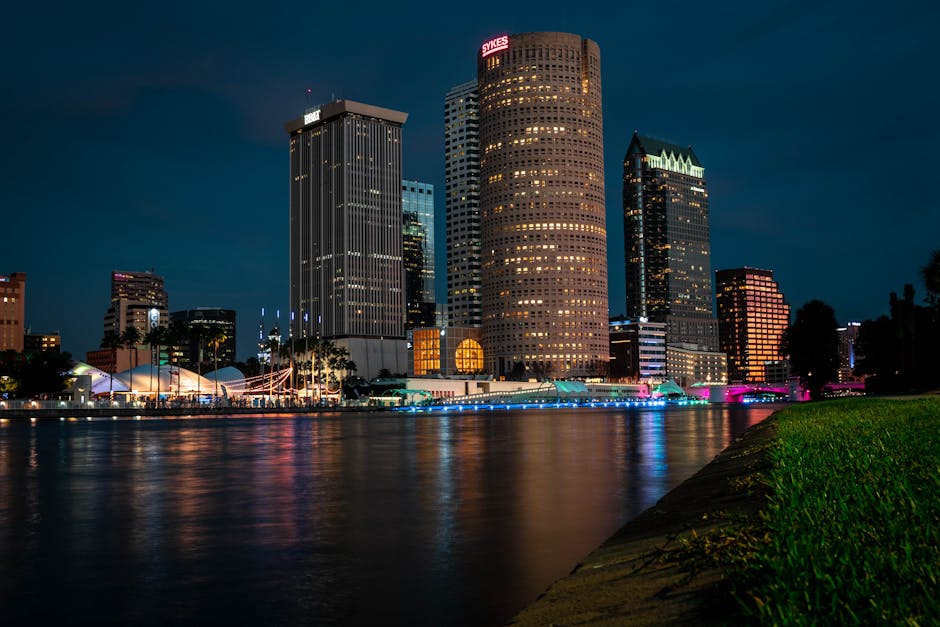
The Transition of Tampa Bay Waterfront to Primary Market Status
For decades, the luxury corridors of Tampa Bay were categorized by institutional investors and coastal analysts as secondary markets—locations primarily driven by seasonal demand and lifestyle migration. However, as we move through 2026, a fundamental structural shift is evident. The region has matured into a primary luxury market, where high-net-worth individuals are increasingly designating Tampa as their principal residence and global headquarters. This transition is not merely anecdotal; it is supported by a significant increase in the complexity and scale of waterfront acquisitions.
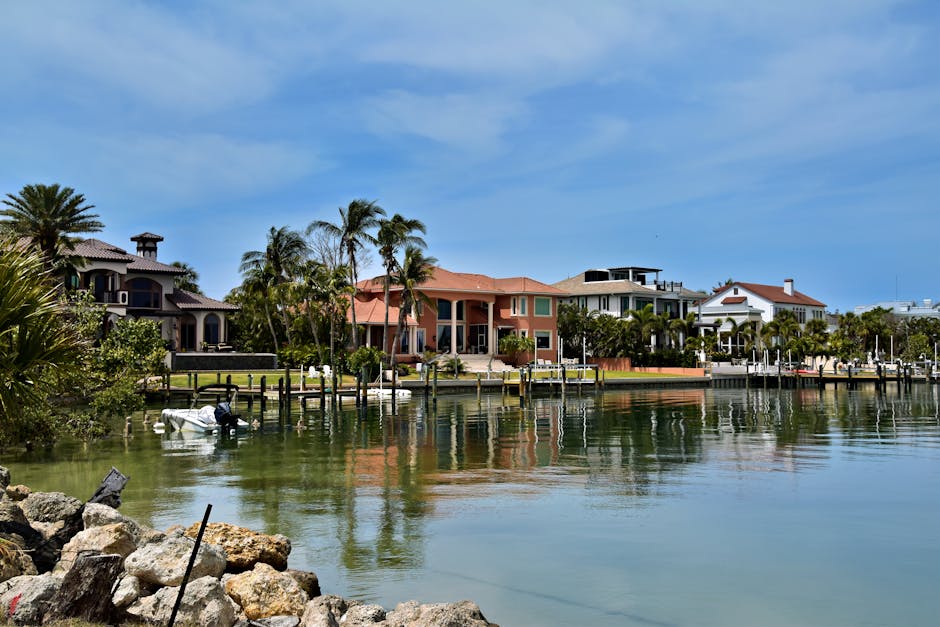
According to a recent analysis by The National Law Review, Tampa Bay’s waterfront has emerged as a primary real estate driver, reflecting a national trend where premium coastal assets are being repositioned as permanent family offices and primary estates. This shift has led to more rigorous due diligence processes among buyers, who now prioritize long-term structural integrity and riparian rights over transient aesthetic appeal.
Sophisticated buyers are no longer satisfied with standard renovation projects. Instead, they are seeking ground-up construction or comprehensively modernized estates that can handle the functional demands of year-round residency. This change in behavior has tightened the inventory for high-quality waterfront assets, particularly in areas like Davis Islands and along Bayshore Boulevard, where the land value often constitutes the majority of the total acquisition cost.
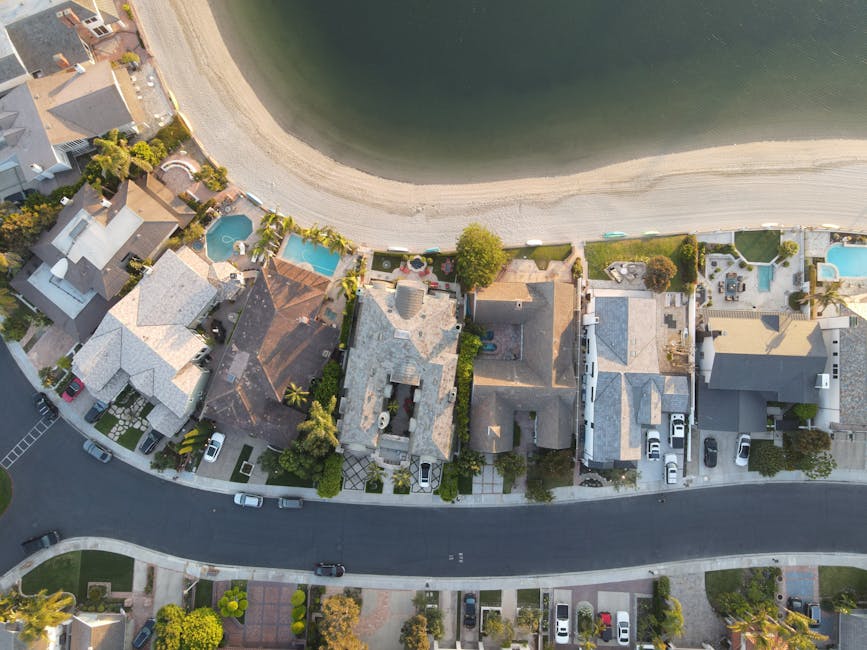
Evaluating the Maturity of the Downtown Condo Sector
The vertical growth of the Tampa and St. Petersburg skylines represents the most visible indicator of market maturation. While the region was previously viewed as an “early-stage” condo market, the delivery of high-service, ultra-luxury towers has validated the demand for maintenance-free urban living. Buyers are migrating from expansive suburban estates to these vertical communities, seeking the security and integrated amenities that only modern high-rises can provide.
Research published by Tampa Bay Business & Wealth explores why Tampa remains a compelling condo market, noting that the infrastructure is finally catching up to the capital inflow. The focus has shifted from high-density projects to low-density, high-service models where privacy and customized floor plans are the primary selling points. This evolution is particularly evident in the downtown St. Petersburg sector, where luxury standards have shifted as the city’s footprint expands.
For the active buyer, comparing the “old guard” of 2010-era condos with the 2026 deliveries is critical. The newer inventory emphasizes wellness centers, private elevator entries, and advanced climate control systems that exceed previous building codes. This differentiation is creating a two-tiered market within the condo sector, where the premium for new construction remains robust despite broader economic fluctuations.
Pricing Resilience and the $2.5 Million Median Baseline
The current market data reflects a stabilized but elevated pricing environment. With a median list price of approximately $2,500,000 and an average list price reaching $3,281,447, the barrier to entry for the Tampa luxury segment has recalibrated. This is not a result of speculative inflation but a reflection of the limited active inventory, which currently sits at just 120 premium listings. When high-quality assets enter the market, they are often met with multiple offers from cash-heavy buyers who are prioritizing capital preservation through real estate.
The record-breaking sales of 2025 set a new benchmark for what is possible in the Tampa Bay area. As reported by the Tampa Bay Times, the most expensive sales of last year demonstrated that buyers are willing to pay a premium for architectural significance and irreplaceable locations. This has created a floor for pricing in neighborhoods like Culbreath Isles and Old Northeast, where land scarcity ensures that values remain resilient even during periods of increased interest rates.
Investors and primary buyers should view these median prices as a baseline for quality. Properties priced below this threshold in established luxury zones often require significant capital expenditure to meet modern standards. Conversely, properties exceeding the $5,000,000 mark are increasingly scrutinized for their specific lifestyle enhancements, such as deep-water dockage, multi-car gallery garages, and integrated smart-home ecosystems that manage everything from air filtration to energy consumption.
Critical Considerations for High-End Acquisition
Navigating the current landscape requires a more analytical approach than in previous cycles. Buyers must look beyond the initial presentation of a home and evaluate the long-term viability of the asset within a rapidly changing coastal environment. This involves a deep dive into the technical specifications of the property and the surrounding infrastructure developments that will impact value over the next decade.
- Verify riparian rights and submerged land leases for all waterfront estates to ensure future dockage expansion is legally viable.
- Assess the professional management and reserve funds of condo associations, particularly in older buildings facing new state-mandated safety inspections.
- Analyze historical elevation and storm surge data to confirm the adequacy of current drainage and seawall heights.
- Compare price-per-square-foot metrics against 2025 benchmarks to identify properties that are currently mispriced relative to the market floor.
- Evaluate the impact of nearby commercial developments, such as Water Street or the Gas Plant District, on neighborhood traffic and noise levels.
- Conduct a comprehensive energy audit to understand the operational costs associated with large-scale, high-ceiling residences.
These tactical checks are essential for mitigating risk in a market where the margin for error has narrowed. As a senior advisor, my role is to ensure that your acquisition is not just a lifestyle choice but a sound addition to your broader investment portfolio. Precision in the research phase prevents the high costs of corrective action later.
Neighborhood Micro-Trends: South Tampa vs. Downtown St. Pete
The buyer behavior in South Tampa remains distinct from the movement we are seeing in Downtown St. Petersburg. South Tampa continues to be the stronghold for traditional luxury, characterized by sprawling estates and a proximity to elite private schools and social clubs. The demand here is driven by families who prioritize the prestige of established enclaves and the privacy of larger lot sizes. In contrast, St. Petersburg’s luxury evolution is defined by an urbanist shift, where buyers are trading square footage for proximity to cultural amenities and walkable dining districts.
According to The Business Journals, the definition of luxury in St. Pete is shifting as the city evolves, with a growing emphasis on high-design condos that cater to a more mobile, cosmopolitan demographic. This geographic divergence allows buyers to choose between two very different versions of Florida luxury, both of which are currently supported by strong fundamentals. Understanding which lifestyle aligns with your long-term goals is the first step in narrowing your search.
Furthermore, we are seeing a rise in “feeder” markets where buyers who find themselves priced out of prime waterfront are looking at secondary luxury pockets like Westchase or the gated communities of North Tampa. These areas offer more modern inventory and larger footprints at a slightly lower price per square foot, providing an alternative for those who do not require immediate water access but still demand a high level of finish and security.
Local Infrastructure and Event Impact on Long-Term Value
The health of a luxury real estate market is intrinsically tied to the city’s ability to host large-scale events and maintain modern infrastructure. The recent influx of visitors for major concerts and festivals demonstrates Tampa’s capacity to handle global attention. This visibility is a key driver for the real estate market, as it introduces the region to new pools of capital and professional talent. When the city successfully navigates high-traffic periods, it reinforces the confidence of residents and investors in the local governance and urban planning.
Beyond the events, the state of the general real estate market in Florida continues to show signs of specialization. As noted by Florida Trend, the real estate landscape is being shaped by a mix of corporate relocations and a steady stream of domestic migration. These macro-economic factors provide a cushion for the luxury segment, as the demand is fueled by permanent residents rather than speculative flippers.
Prospective buyers should also monitor the expansion of local amenities, such as the new parks and pedestrian trails connecting the various waterfront districts. These improvements directly correlate with property values in the surrounding blocks, as walkability becomes an increasingly prioritized metric for the 2026 luxury buyer. The ongoing investment in public spaces ensures that the region remains competitive with other major Florida hubs like Miami or Palm Beach.
Strategic Entry and Portfolio Management
Entering the Tampa luxury market in 2026 requires a focus on scarcity and quality. With 120 active listings in a market of this size, the competition for trophy assets remains intense. Buyers should be prepared to act with speed once a property meets their technical requirements, but that speed must be balanced with the analytical rigor mentioned previously. Timing the market is less important than selecting an asset that possesses irreplaceable qualities—whether that is a specific view corridor, a unique architectural pedigree, or a significant waterfront linear footage.
Current inventory examples like the estates on Troutwater Lane or the expansive parcels on Gardner Road highlight the diversity of the current market, with prices ranging from $2,650,000 to $3,800,000 for high-caliber residential land and homes. These listings serve as benchmarks for buyers looking to understand the relationship between acreage, location, and finish level. As the market continues to evolve, the gap between generic luxury and truly exceptional real estate will only widen, rewarding those who take a disciplined, data-backed approach to their acquisitions.
To navigate these complexities and identify the opportunities that align with your financial and lifestyle objectives, professional guidance is indispensable. We invite you to browse our current curated selection of high-end listings or contact a private advisor today to schedule a confidential strategy session. Our team is dedicated to providing the neighborhood-level implications and practical takeaways necessary for successful luxury property management in the Tampa Bay region.
Your next move in Tampa luxury
Get current inventory, pricing guidance, and private-tour support from our brokerage team.
Source highlights
- Tampa Bay’s most expensive luxury home sales of 2025 – Tampa Bay Times
- Downtown St. Pete's definition of luxury condos shifts as the city evolves – The Business Journals
- Tampa Bay’s Waterfront Emerges as a Primary Luxury Real Estate Market – The National Law Review
- Florida Trend Real Estate – Florida Trend
- Why Tampa remains an early-stage luxury condo market – Tampa Bay Business & Wealth
- New Signature Real Estate Team Emerges Across Tampa Bay: The Nick Janovsky Group Launches with Premier Sotheby’s International Realty – citybiz
- Things to do with kids this weekend in Tampa, FL – That's So Tampa
- Tampa officials expect heavy traffic, tens of thousands of visitors over a packed K-Pop weekend – wtsp.com



