


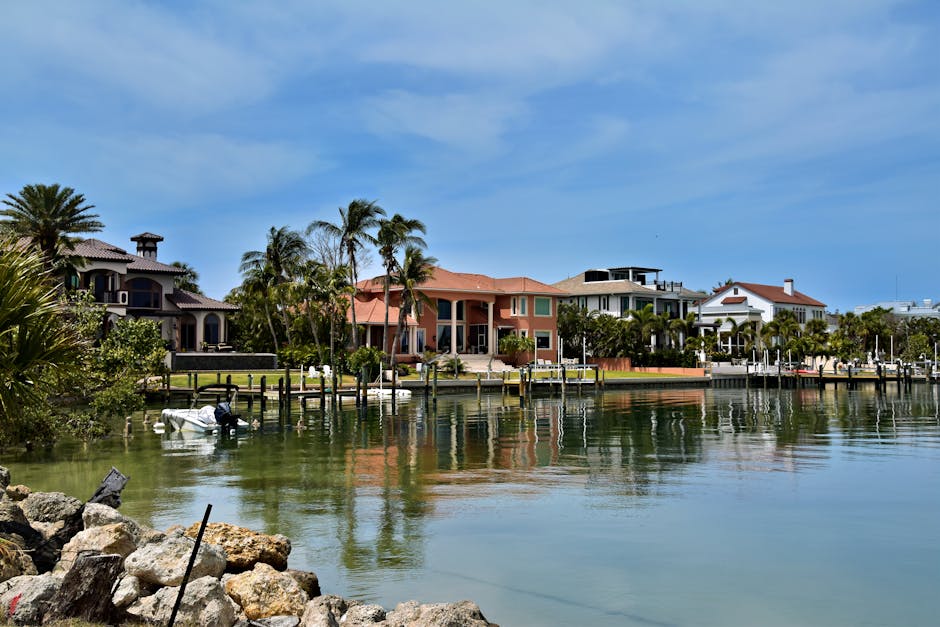
The Transition to a Primary Residence Luxury Destination
The Tampa luxury real estate sector has undergone a fundamental transformation, moving away from its historical reputation as a seasonal retreat toward becoming a permanent, primary residence hub for high-net-worth individuals. This shift is driven by a sophisticated buyer demographic prioritizing tax efficiency, long-term asset security, and high-tier infrastructure. Unlike previous cycles, current demand is anchored by corporate executives and entrepreneurs who view the region as a viable alternative to established financial centers. The maturity of the local market is reflected in the current inventory levels, where only 120 active luxury listings are available to satisfy a growing global appetite for Gulf Coast assets.

Economic indicators suggest that Tampa remains insulated from the broader volatility seen in other national markets. As reported by The Business Journals, the Tampa Bay luxury market continues to demonstrate strength even as national figures indicate a cooling trend. This resilience is largely attributed to the sustained migration of capital from high-tax states, where buyers find significant relative value even at the median list price of $2,500,000. For advisors, the focus has shifted from mere transaction facilitation to complex portfolio management, ensuring that every acquisition aligns with a broader wealth preservation strategy.
Understanding the nuances of this migration requires a look at buyer behavior over the last twenty-four months. Acquisitions are no longer impulsive; they are data-driven decisions made with an eye toward future liquidity. Buyers are increasingly scrutinizing neighborhood-level data, historical appreciation rates, and the quality of local schools and private clubs. This analytical approach has pushed the average list price to $3,281,447, a figure that reflects the premium placed on ready-to-move-in, architecturally significant estates in neighborhoods like Beach Park and Sunset Park.
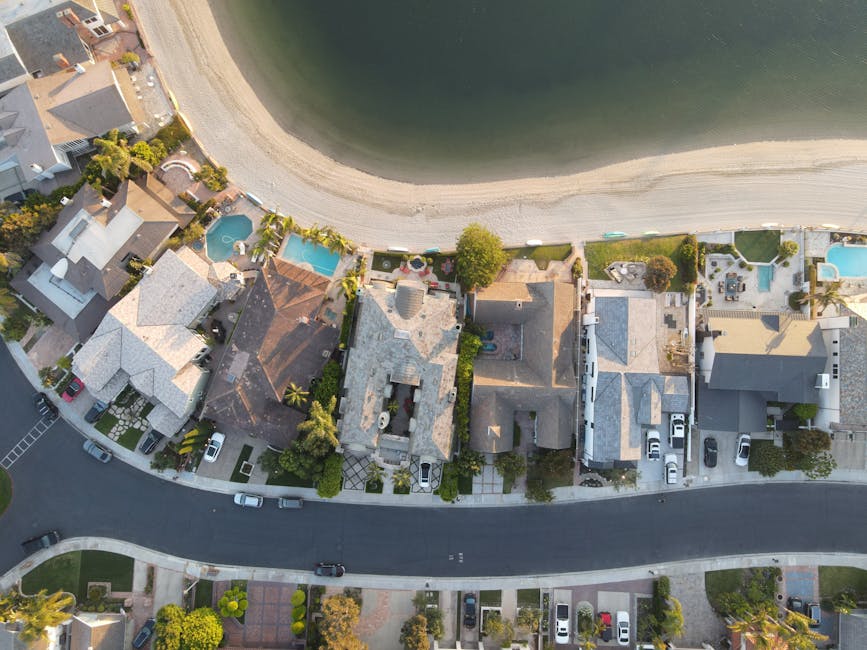
Waterfront Scarcity and the Premium on Shoreline Assets
The intrinsic value of Tampa real estate is inextricably linked to its waterfront. However, the availability of deep-water access and protected bay views has reached a critical bottleneck. This scarcity is a primary driver of valuation, as developers find it increasingly difficult to secure new parcels for high-end construction. According to research published in The National Law Review, Tampa’s waterfront has emerged as a primary luxury market, transitioning from a secondary consideration to the focal point of institutional and private investment. This recognition has led to a surge in activity across the South Tampa peninsula and the barrier islands.
For the discerning buyer, waterfront properties represent more than just a residence; they are a defensive asset class. Shoreline stabilization, seawall integrity, and elevation certificates have become the most critical components of the due diligence process. We are seeing a move toward ‘fortified’ luxury, where the aesthetic appeal is matched by structural resilience. This includes the use of high-impact glass, advanced drainage systems, and elevated living spaces that exceed current flood zone requirements. Investors are willing to pay a substantial premium for these features, knowing they represent both safety and long-term insurability.
The competitive landscape for waterfront assets is exemplified by recent transactions on Davis Islands and along Bayshore Boulevard. These areas continue to set benchmarks for the region, with record-breaking sales highlighting the depth of the market. As noted by the Tampa Bay Times, the most expensive sales of 2025 demonstrate a clear preference for properties that offer expansive open-bay views and private dockage. This trend is expected to intensify as the pool of available land shrinks further.
Strategic Acquisition: The 2026 Luxury Verification Checklist
Navigating the current market requires a disciplined approach to verification and selection. With median prices holding firm, the margin for error in the consideration phase has narrowed. Buyers must look beyond the surface level of interior design and evaluate the underlying fundamentals that contribute to long-term value retention. This involves a multi-disciplinary review of legal, structural, and environmental factors that define a high-performing property.
- Verify recent seawall inspections and shoreline stabilization records for all waterfront parcels.
- Assess the proximity to upcoming private infrastructure developments in Water Street and Westshore to gauge future appreciation.
- Evaluate historical tax assessments against current list prices to ensure valuation alignment.
- Confirm the availability of high-speed fiber connectivity and integrated smart-home systems for professional requirements.
- Review neighborhood-specific building height restrictions and zoning laws to protect sightlines and privacy.
- Analyze the property’s elevation certificate against updated FEMA flood mapping for insurance predictability.
Each of these points serves as a filter to separate standard listings from true luxury assets. In an environment where inventory is limited, the ability to move quickly with a verified set of data is a significant competitive advantage. We advise our clients to have these assessments performed prior to making an offer, ensuring that the negotiation is based on the actual condition and potential of the property rather than speculative value.
The Evolution of Vertical Luxury and the Condo Market
While single-family estates remain the cornerstone of the Tampa market, the vertical luxury segment is entering a new phase of maturation. The development of high-rise residences in Downtown Tampa and the Water Street district has introduced a Manhattan-style convenience to the Gulf Coast. This shift is particularly appealing to ‘lock-and-leave’ buyers who require the security and amenities of a full-service building without the maintenance overhead of a traditional estate. This market segment is still in its early stages of growth, offering a unique window for strategic entry.
As explored by Tampa Bay Business & Wealth, the condo market remains an early-stage opportunity for those looking for high-density luxury. The integration of wellness centers, Michelin-star dining, and private social clubs within these developments is redefining the expectations of the affluent resident. This vertical movement is not just about views; it is about a curated environment that facilitates both professional productivity and private relaxation.
The performance of these luxury towers will likely dictate the next decade of urban planning in Tampa. We are monitoring the absorption rates of new developments closely, as they provide a clear signal of the market’s appetite for high-end density. For investors, the focus should be on buildings that offer exclusive floor plans, private elevator access, and robust reserve funds. These factors are critical for maintaining the asset’s prestige and liquidity in a competitive landscape.
Neighborhood-Level Implications and Demographic Shifts
Geographic preference in Tampa is increasingly dictated by lifestyle alignment rather than just proximity to the city center. South Tampa remains the most sought-after sub-market, offering a blend of historic charm and modern infrastructure. Within this area, micro-neighborhoods like Culbreath Isles and Palma Ceia provide distinct value propositions. Culbreath Isles, for instance, remains the gold standard for gated waterfront living, while Palma Ceia offers a more walkable, community-focused environment that appeals to young families and established professionals alike.
The movement toward more inland luxury enclaves is also noteworthy. Areas with larger lot sizes, such as those found near Gardner Road or Memorial Highway, are seeing increased interest from buyers who prioritize privacy and acreage. These properties often feature expansive outdoor living spaces, private tennis courts, and multi-car collectors’ galleries. This diversification of the luxury product ensures that Tampa can accommodate a wide range of aesthetic and functional requirements, further cementing its position as a primary residence destination.
The broader regional trends are also supported by the data provided in Florida Trend, which highlights the continued strength of real estate across the state. In Tampa specifically, the lack of new land for development means that existing inventory will continue to appreciate as the population grows. This creates a supply-demand imbalance that favors sellers in the long term, while providing buyers with a sense of security regarding their equity.
Decision-Useful Guidance for Sophisticated Buyers
As we move through the second quarter of 2026, the strategy for luxury acquisition must be rooted in patience and precision. It is essential to compare the cost of new construction against the acquisition of a legacy estate that may require modernization. In many cases, the value of the land in prime South Tampa locations justifies a significant investment in renovation, particularly when the property offers rare shoreline frontage. Advisors should be utilized to perform a highest-and-best-use analysis for any potential purchase, ensuring the property can adapt to future market demands.
Timing remains a critical factor, though not in the traditional sense of ‘timing the market.’ Instead, it is about timing the alignment of inventory with specific lifestyle needs. With only 120 properties available in the luxury tier, waiting for the ‘perfect’ listing can often result in missing out on a structurally superior asset. We encourage our clients to focus on the ‘bones’ of a property—location, lot size, and structural integrity—as these are the variables that cannot be changed. Aesthetics, while important, should be viewed as a secondary consideration that can be tailored post-acquisition.
Ultimately, the Tampa market reward those who take a long-term view of their real estate holdings. Whether you are looking at a $3,000,000 estate or a $3,800,000 waterfront parcel, the focus should always be on the underlying quality of the asset and its place within the neighborhood’s future. By adhering to a strict verification process and aligning with local experts, buyers can navigate this mature market with confidence and clarity.
Strategic Positioning in a Maturing Market
The current state of the Tampa luxury market is one of stable maturation. The entry of new professional groups and the expansion of high-tier services have created a sustainable ecosystem that supports high valuations. This is no longer a speculative market; it is one built on the solid foundation of tax-advantaged living and premium coastal geography. For those ready to commit to the region, the opportunity lies in securing limited inventory before the next wave of corporate migration further tightens the market.
Success in this environment requires an advisor who understands the subtle movements of the local neighborhoods and the technical requirements of high-value assets. We provide the analytical depth and neighborhood-level insight necessary to make informed decisions in a competitive landscape. Whether you are liquidating a legacy estate or looking to establish a new primary residence on the Gulf Coast, our team offers the sophisticated guidance required for today’s market.
To explore the most recent additions to the Tampa luxury inventory, we invite you to browse our exclusive listings. For a private consultation regarding your portfolio or to discuss specific acquisition strategies for the South Tampa area, please contact an advisor. Our focus is on delivering practical takeaways and neighborhood-level implications that ensure your next real estate decision is your most successful one.
Your next move in Tampa luxury
Get current inventory, pricing guidance, and private-tour support from our brokerage team.
Source highlights
- Tampa Bay’s most expensive luxury home sales of 2025 – Tampa Bay Times
- Tampa Bay luxury market grows stronger despite national declines – The Business Journals
- Tampa Bay’s Waterfront Emerges as a Primary Luxury Real Estate Market – The National Law Review
- Florida Trend Real Estate – Florida Trend
- Why Tampa remains an early-stage luxury condo market – Tampa Bay Business & Wealth
- New Signature Real Estate Team Emerges Across Tampa Bay: The Nick Janovsky Group Launches with Premier Sotheby’s International Realty – citybiz
- Things to do with kids this weekend in Tampa, FL – That's So Tampa
- Tampa officials expect heavy traffic, tens of thousands of visitors over a packed K-Pop weekend – wtsp.com



