


The Evolution of Tampa as a Primary Luxury Residence
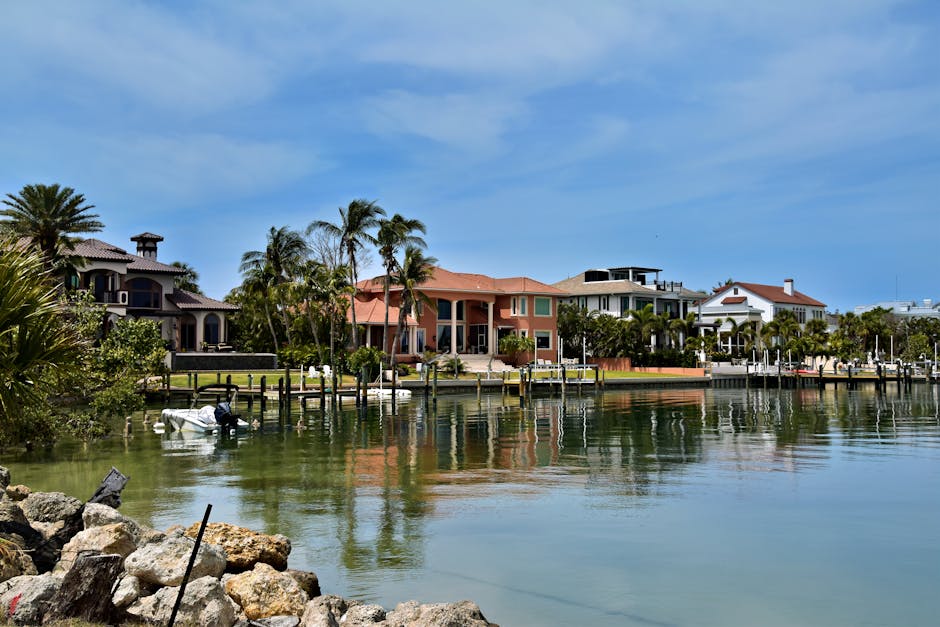
The Tampa luxury real estate market has undergone a fundamental transformation, moving away from its historical reputation as a secondary or seasonal destination. Today, the region is a primary residential anchor for high-net-worth individuals who prioritize fiscal stability and infrastructure quality. This shift is most visible in the sustained demand for high-equity assets in established neighborhoods like Davis Islands and Hyde Park, where the inventory of luxury homes for sale remains highly competitive despite broader national market fluctuations.
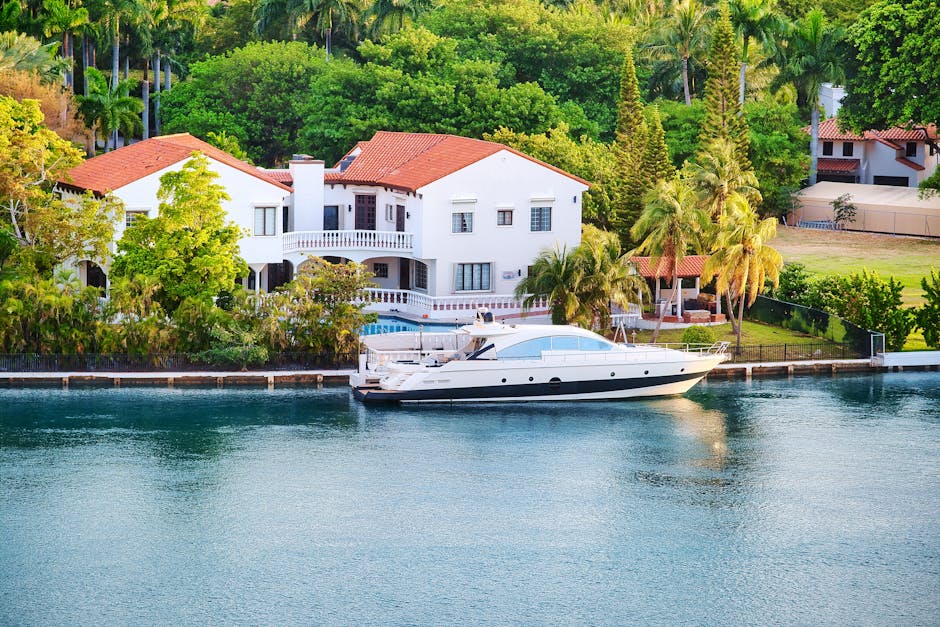
Unlike previous cycles driven by speculative growth, the current environment is defined by capital preservation and long-term utility. Buyers are no longer looking for temporary escapes; they are seeking legacy properties that offer proximity to the burgeoning commercial hubs of Water Street and the Westshore Business District. This maturation of the market is supported by the fact that Tampa Bay’s waterfront has emerged as a primary luxury real estate market, rivaling traditional South Florida enclaves in both price per square foot and architectural sophistication.
Current inventory data reflects this stability. With a median list price holding firm at $2,500,000 and approximately 120 active luxury listings, the market is balanced but favors sellers of turnkey, modern estates. Acquisitions in the $3,000,000 to $3,800,000 range—such as those found on Gardner Road or Memorial Highway—require a nuanced understanding of local elevation requirements and structural specifications that define the upper tier of the Gulf Coast market.
Waterfront Dynamics and Coastal Engineering Standards
In the luxury sector, waterfront access remains the ultimate arbiter of value. However, the criteria for evaluating these properties have shifted from purely aesthetic considerations to technical and structural benchmarks. Sophisticated buyers now prioritize seawall integrity, finished floor elevations, and the implementation of impact-rated glazing systems. Properties along Bayshore Boulevard and the coastal fringes of Culbreath Isles are being scrutinized for their ability to withstand tropical weather patterns while maintaining the high-design standards expected in this price bracket.
The premium placed on newer construction is significant. Many older estates are being viewed as land-value opportunities, leading to a surge in bespoke residential development that utilizes post-tensioned concrete and advanced moisture barrier systems. This focus on engineering is not merely a matter of safety; it is a critical component of maintaining asset liquidity and manageable carrying costs. Buyers are increasingly aware that a property’s technical specifications are as important as its architectural pedigree when navigating the complexities of Florida’s insurance landscape.
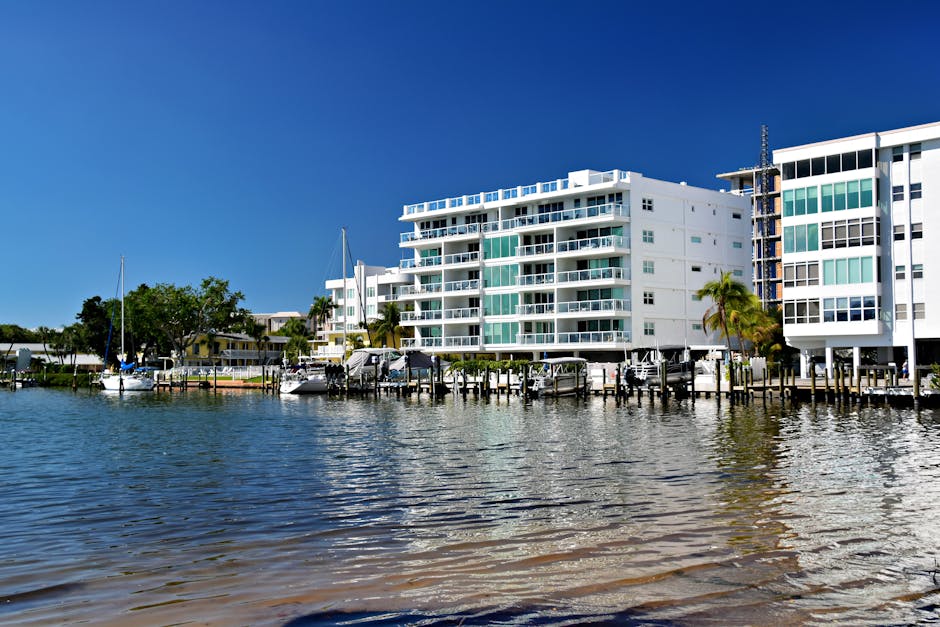
Furthermore, the scarcity of available waterfront lots has led to a redistribution of interest toward high-rise vertical living. Developments in the urban core are offering a managed-service alternative to the traditional estate, appealing to a demographic that values efficiency and high-amenity density. This trend confirms why Tampa remains an early-stage luxury condo market with significant room for equity growth as the skyline continues to evolve with internationally recognized hospitality brands.
South Tampa Infill and the Value of Neighborhood Continuity
While the waterfront commands the highest headlines, the inland luxury corridors of South Tampa provide a different set of strategic advantages. Neighborhoods such as Palma Ceia, Beach Park, and Sunset Park offer a blend of historical character and modern convenience that is difficult to replicate. The value in these areas is driven by neighborhood continuity—a consistent level of property maintenance and architectural investment that protects home values even during broader economic shifts.
The demand for “infill” luxury—newly constructed homes within established neighborhoods—has created a micro-market where price discovery is rapid and competition is high. Professional buyers often target these areas for their proximity to top-tier educational institutions and private clubs. The ability to walk to the shops in Hyde Park Village or the local parks in Palma Ceia adds a lifestyle dimension that offsets the lack of direct water frontage. This segment of the market currently sees high velocity, particularly for residences that incorporate integrated smart-home technology and outdoor living spaces designed for year-round utility.
When comparing South Tampa neighborhoods, investors should look beyond the surface level. Factors such as street width, tree canopy density, and the presence of underground utilities can impact the long-term desirability of a specific block. These subtle differences often explain why two seemingly similar properties can have a valuation delta of several hundred thousand dollars. Effective due diligence in these areas involves a deep dive into the local plat history and a clear understanding of current zoning variances.
Strategic Diligence for High-Value Acquisitions
Navigating a multi-million dollar transaction requires a structured approach to verification and risk assessment. The following checklist outlines the essential technical reviews that should be conducted prior to finalizing any luxury acquisition in the Tampa market:
- Verify the age and condition of the seawall and dock structure using a certified marine engineer.
- Obtain a comprehensive elevation certificate to determine exact flood zone status and insurance implications.
- Review the property’s historical permit record to ensure all renovations and additions were executed to code.
- Analyze the HVAC systems for capacity and redundancy, especially in large-scale estates exceeding 5,000 square feet.
- Assess the integrity of the roof system and verify the presence of secondary water barriers.
- Confirm the status of any active warranties on high-end appliances, home automation systems, and structural components.
By adhering to this technical framework, buyers can move forward with a level of confidence that exceeds general market sentiment. This disciplined approach is what separates a successful acquisition from a long-term liability. In an environment where the average list price exceeds $3.2 million, the cost of overlooked diligence can be substantial.
The Shift Toward Managed Luxury and Serviced Living
A notable trend in the 2026 market is the rise of managed luxury. Affluent buyers are increasingly opting for properties that offer a “lock-and-leave” capability, supported by professional management and concierge services. This is particularly prevalent in the Downtown and St. Petersburg sectors, where the definition of luxury is shifting from square footage to service density. The convenience of on-site security, valet parking, and private wellness centers is a compelling value proposition for those with multi-market portfolios.
This trend is also influencing the design of single-family estates. New builds are incorporating features previously reserved for hospitality environments, such as caterer’s kitchens, separate staff entrances, and dedicated guest suites. The focus is on creating a self-contained ecosystem that can operate with minimal friction. Investors should note that properties lacking these modern logistical considerations may face longer days-on-market as buyer preferences continue to lean toward hyper-functional designs.
Furthermore, the integration of luxury hospitality brands into residential developments has provided a benchmark for quality that is elevating the entire region. As noted in recent Florida Trend Real Estate reports, the branding of high-end towers is attracting international capital that previously bypassed the Tampa market in favor of more established global cities. This influx of capital is fueling a more sophisticated level of competition and raising the bar for local developers.
Market Velocity and Asset Selection Strategy
Understanding market velocity—the speed at which inventory is absorbed—is critical for timing an entry into the Tampa luxury sector. Currently, the most desirable properties in the $2M to $3M range are under contract within 30 to 45 days, while the ultra-luxury segment ($5M+) remains a more patient market. Successful buyers in this climate are those who have their financing and legal teams pre-positioned to act on off-market opportunities or rapid price adjustments.
Asset selection should be driven by a combination of current yield and terminal value. While primary residences are rarely viewed as pure investments, the equity growth potential in Tampa remains robust compared to saturated markets in the Northeast or West Coast. The region’s tax-friendly environment continues to drive domestic migration, ensuring a steady stream of qualified buyers for the foreseeable future. The key is to identify properties that possess immutable value drivers: water views, historical significance, or exceptional lot size in land-constrained neighborhoods.
When evaluating a potential purchase, consider the proximity to upcoming infrastructure projects. The expansion of the Tampa Riverwalk and the continued redevelopment of the Channel District are reliable indicators of future appreciation. Areas that are currently undervalued but adjacent to these major capital investments represent the most logical points of entry for buyers seeking both lifestyle utility and financial upside.
The Intersection of Lifestyle and Long-Term Equity
Ultimately, the Tampa luxury market is defined by the convergence of a high-quality lifestyle and the security of a primary residential market. The availability of deep-water docks, world-class golf courses, and a thriving cultural scene—supported by events like those found in the Tampa Bay Date Night Guide—makes the region a compelling choice for the modern professional. The transition from a seasonal playground to a primary economic engine is complete, and the real estate values reflect this new reality.
For those considering a significant move or acquisition, the focus should remain on quality and technical verification. The complexity of the current market demands a higher level of expertise and a more analytical approach to valuation. Whether you are targeting a historic estate in Hyde Park or a contemporary masterpiece on Davis Islands, the fundamentals of site selection and structural integrity remain the most reliable predictors of future success. The Tampa market has reached a level of maturity where precision and data-backed decision-making are the only paths to a successful outcome.
To navigate the nuances of these specific neighborhood micro-markets and identify assets that align with your long-term wealth strategy, it is essential to partner with an advisor who understands the technical details of the luxury sector. We invite you to browse our current portfolio of luxury homes for sale and contact a senior advisor today to schedule a confidential consultation regarding your real estate objectives.
Your next move in Tampa luxury
Get current inventory, pricing guidance, and private-tour support from our brokerage team.
Source highlights
- Tampa Bay’s most expensive luxury home sales of 2025 – Tampa Bay Times
- Downtown St. Pete's definition of luxury condos shifts as the city evolves – The Business Journals
- Why Tampa remains an early-stage luxury condo market – Tampa Bay Business & Wealth
- Florida Trend Real Estate – Florida Trend
- New Signature Real Estate Team Emerges Across Tampa Bay: The Nick Janovsky Group Launches with Premier Sotheby’s International Realty – citybiz
- Tampa Bay’s Waterfront Emerges as a Primary Luxury Real Estate Market – The National Law Review
- Things to do with kids this weekend in Tampa, FL – That's So Tampa
- From Blues to BBQ: Tampa’s can’t-miss events this weekend – WMNF 88.5 FM



