


Market Composition and Pricing Integrity
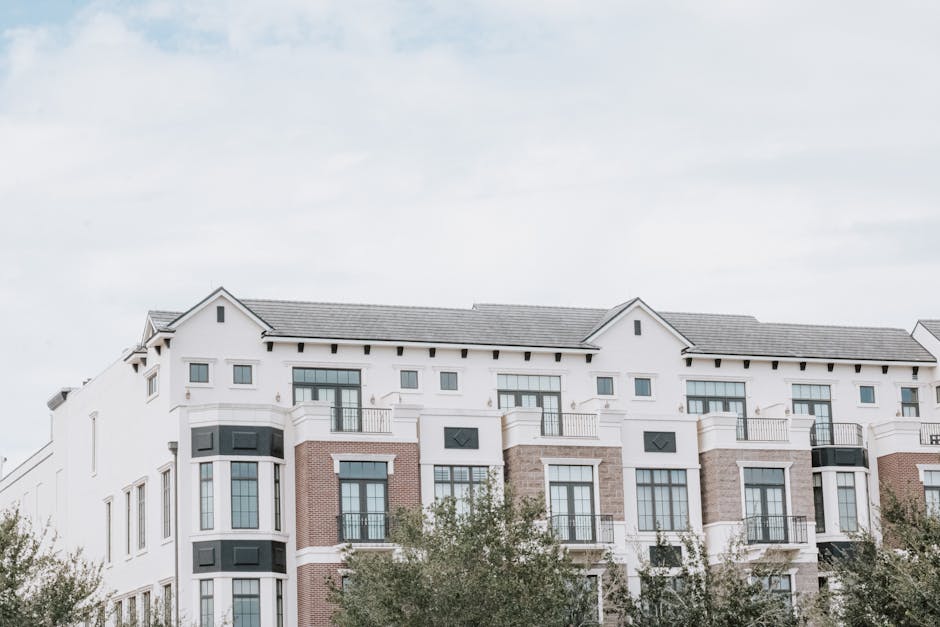
Tampa’s luxury sector has transitioned from a period of speculative growth into a phase of sustained institutional and private wealth concentration. With a median list price currently stabilizing near $2,500,000 and average prices frequently exceeding $3,280,000, the market demonstrates significant resilience to broader economic volatility. This stability is anchored by a limited supply of high-specification inventory, particularly in established corridors like South Tampa and the waterfront districts, where demand consistently outpaces new completions.

Sophisticated buyers are increasingly prioritizing asset preservation over rapid appreciation, viewing Tampa real estate as a hedge against inflation and a vehicle for long-term capital stability. The presence of significant price floors in neighborhoods like Davis Islands and Hyde Park suggests that the current valuation levels are supported by fundamental scarcity rather than temporary market exuberance. For the private advisor, the focus has shifted toward identifying properties with unique site characteristics that cannot be replicated by future development.
As we examine the current inventory of approximately 120 active luxury listings, the concentration of value remains highest in low-density, high-privacy enclaves. Properties such as those on Gardner Road or Memorial Highway exemplify the shift toward expansive acreage and secluded estates that offer both security and proximity to the urban core. This balance is a primary driver for the current wave of executive relocation seen across the region.
The Evolving Waterfront Thesis
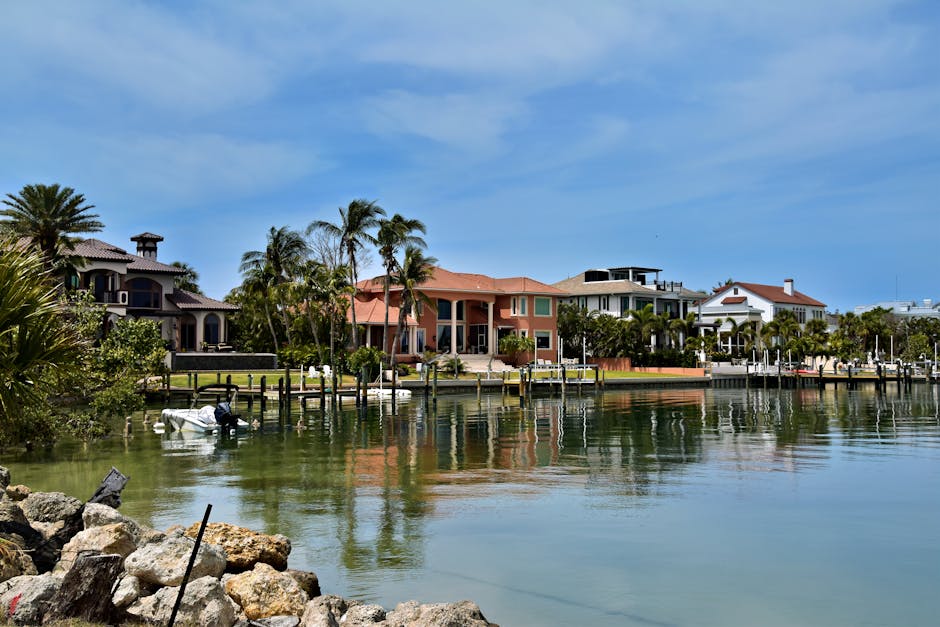
Waterfront assets in Tampa are no longer categorized merely as seasonal retreats; they have solidified their status as primary residences for a growing demographic of high-net-worth individuals. According to analysis from the National Law Review, Tampa’s shoreline has emerged as a primary luxury market, reflecting a structural change in how coastal property is valued. Buyers are now conducting deeper due diligence on seawall integrity, elevation, and riparian rights before committing to a purchase.
The desirability of the Bayshore Boulevard corridor and the surrounding canals in Westshore continues to drive record-breaking sales. These transactions are often executed with a focus on land value and the potential for custom redevelopment. In this environment, the ability to secure a deep-water lot with direct access to the Gulf of Mexico is increasingly rare, making such acquisitions high-priority for yachting enthusiasts and privacy-seeking investors alike.
Furthermore, the infrastructure improvements surrounding the Port of Tampa and the redevelopment of the downtown waterfront have created a halo effect, increasing the value of adjacent residential parcels. Institutional investment in these areas provides a level of certainty for residential buyers that the surrounding environment will continue to improve in both aesthetic and functional quality. This macro-level commitment to the waterfront ensures that it remains the most liquid segment of the luxury market.
The Rise of Vertical Luxury and Condo Evolution
While the traditional Tampa luxury market was dominated by single-family estates, the vertical market is undergoing a rapid evolution. Current data suggests that Tampa remains an early-stage luxury condo market, offering significant upside compared to more saturated markets like Miami or Naples. The shift toward high-rise living is driven by a desire for maintenance-free environments and concierge-level services that cater to a global lifestyle.
Developments in the Water Street district and the Westshore Marina District are redefining what luxury vertical living entails, moving beyond simple amenities toward integrated wellness centers, private dining, and robust security protocols. These properties are attracting a mix of local downsizers and out-of-state buyers who value the walkability and connectivity of an urban environment without sacrificing the space and finishes of a detached home.
Comparing vertical assets requires a different analytical framework than single-family homes. Factors such as HOA reserve strength, building mechanical systems, and the exclusivity of common areas are paramount. As the definition of luxury condos shifts—a trend also noted in neighboring Downtown St. Petersburg—Tampa buyers are becoming more discerning regarding the architectural pedigree and long-term viability of high-rise structures.
Decision-Useful Criteria for Luxury Acquisition
Successfully navigating a purchase at this price point requires more than a cursory review of finishes; it demands a rigorous evaluation of the property’s fundamental value drivers. In a market where multiple listings may feature similar square footage and modern aesthetics, the discerning buyer must look toward less obvious variables that influence future liquidity and enjoyment.
- Verification of coastal construction line compliance and current elevation certificates.
- Assessment of littoral rights and dockage feasibility for deep-water vessels in tidal zones.
- Analysis of neighborhood-specific architectural restrictive covenants and historical preservation rules.
- Review of historical price per square foot appreciation within the specific micro-market over a 10-year cycle.
- Evaluation of proximity to Tier 1 amenities, private education institutions, and executive transit hubs.
The importance of neighborhood-level implications cannot be overstated. For instance, the difference between a property located within the Hyde Park historic district versus one in the newer developments of Beach Park involves varying degrees of regulatory oversight and future development potential. A data-backed approach involves examining not just recent sales, but the velocity of transactions and the ratio of list price to final sale price in these specific pockets.
Strategic Considerations and Buyer Behavior
Current buyer behavior in Tampa is characterized by a high degree of patience and a preference for turnkey solutions. While the inventory of luxury homes for sale remains steady, properties that are properly staged and feature the latest in smart-home integration and sustainable building materials are commanding a premium. There is a notable trend toward multi-generational living spaces and integrated home offices that reflect the modern executive’s requirements.
Furthermore, buyers are looking beyond the home itself to the lifestyle infrastructure of the community. Proximity to cultural events and high-end dining is a significant factor in property selection. For example, the influx of professional sporting events and high-profile entertainment options in the region has bolstered the appeal of the downtown core for younger affluent professionals. This demographic is less interested in sprawling acreage and more focused on technological sophistication and immediate access to the city’s social fabric.
Understanding the tax implications and insurance landscape of Florida is also a critical component of the advisory process. While Florida’s tax-friendly environment remains a major draw, the nuances of property tax assessments and the fluctuating cost of homeowners insurance—particularly for waterfront assets—require careful planning. Buyers are encouraged to consult with experts who understand the intersection of real estate valuation and long-term carrying costs.
Neighborhood-Specific Nuances and Future Outlook
As we look toward the remainder of 2026, certain areas of Tampa are poised for continued outperformance. South Tampa remains the benchmark for prestige, with its blend of historic charm and modern luxury. However, areas like Westshore and the Heights are seeing significant redevelopment that is attracting a new wave of capital. These emerging districts offer an alternative for those seeking a more contemporary aesthetic and higher density of amenities.
The integration of professional services and real estate advisory is becoming the standard for high-end transactions. Investors are increasingly relying on Urban Land Institute data and local development plans to forecast the future trajectory of their chosen neighborhoods. This analytical approach ensures that the acquisition is not just a residence, but a strategic component of a broader wealth management strategy.
The trajectory for Tampa’s luxury market remains positive, supported by strong demographic trends and a diversifying economy. The transition from a secondary to a primary luxury market is nearly complete, and the opportunities for capital placement are becoming more refined. For those seeking to secure a position in this market, the current window offers a unique combination of available inventory and long-term growth potential.
To navigate these complexities and identify opportunities that align with your specific investment criteria, it is essential to partner with an advisor who understands the local landscape at a granular level. We invite you to browse our curated selection of luxury homes for sale or contact an advisor to discuss a tailored strategy for your next acquisition in the Tampa market.
Your next move in Tampa luxury
Get current inventory, pricing guidance, and private-tour support from our brokerage team.
Source highlights
- Tampa Bay’s most expensive luxury home sales of 2025 – Tampa Bay Times
- Downtown St. Pete's definition of luxury condos shifts as the city evolves – The Business Journals
- Tampa Bay’s Waterfront Emerges as a Primary Luxury Real Estate Market – The National Law Review
- Florida Trend Real Estate – Florida Trend
- Why Tampa remains an early-stage luxury condo market – Tampa Bay Business & Wealth
- New Signature Real Estate Team Emerges Across Tampa Bay: The Nick Janovsky Group Launches with Premier Sotheby’s International Realty – citybiz
- Things to do with kids this weekend in Tampa, FL – That's So Tampa
- From Blues to BBQ: Tampa’s can’t-miss events this weekend – WMNF 88.5 FM



