


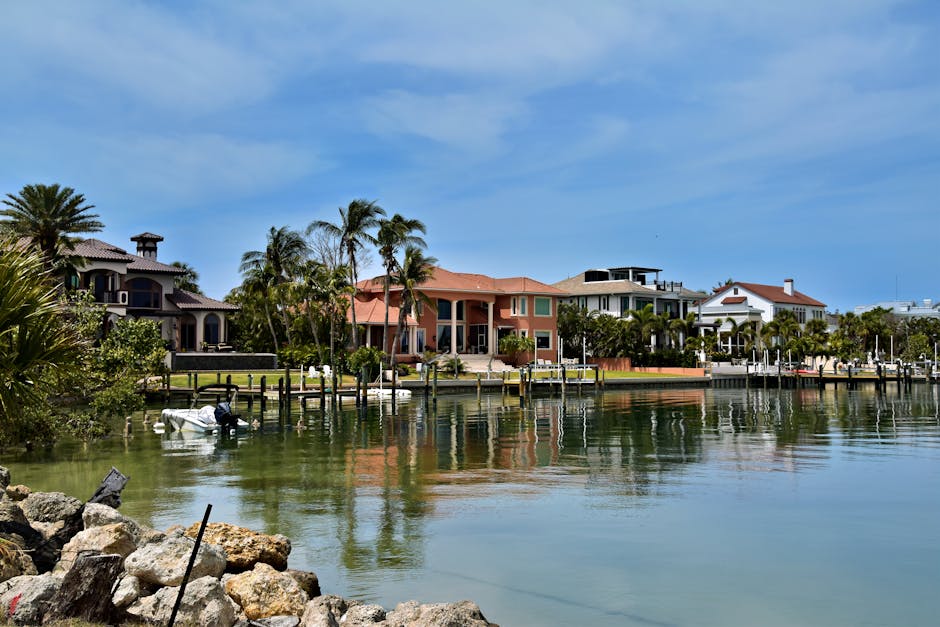
The Maturation of Tampa’s Luxury Residential Sector
Tampa has transcended its historical designation as a seasonal or secondary market. In 2026, the region is functioning as a top-tier primary residence destination for high-net-worth individuals who prioritize fiscal stability and infrastructure quality. This shift is characterized by a move away from speculative purchasing toward long-term capital preservation in established neighborhoods. Buyers are no longer looking for temporary escapes; they are seeking permanent estates that offer the same level of sophistication and service found in established global hubs.
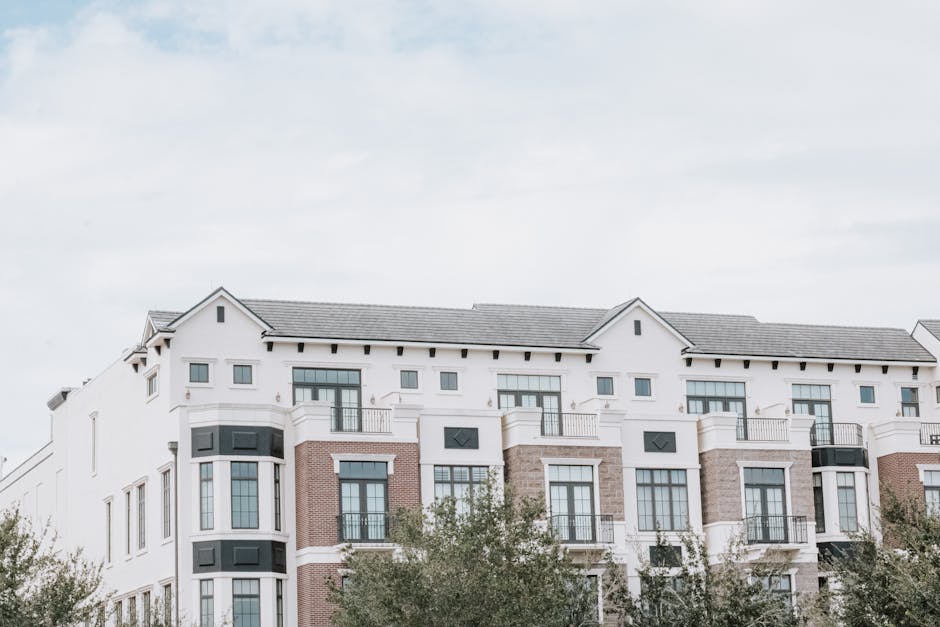
Current market data reflects this evolution, with a median list price in the luxury segment holding steady at $2,500,000. This pricing floor indicates a sophisticated buyer base that understands the underlying value of Tampa’s limited land supply, particularly in areas like South Tampa and along the historic Bayshore Boulevard. The average list price of approximately $3,276,029 further demonstrates that the upper echelon of the market remains robust, even as broader economic indicators fluctuate. This resilience is a hallmark of a primary market that has successfully decoupled from more volatile regional trends.
Sophisticated advisors are observing a distinct change in buyer psychology. The focus has moved from rapid appreciation to functional utility and architectural integrity. Acquisitions in areas such as Troutwater Lane or Memorial Highway are now scrutinized for their construction quality and long-term viability as primary family compounds. This analytical approach to real estate ensures that the current inventory of 120 active luxury units is being absorbed by informed participants rather than speculative traders, creating a healthier and more predictable environment for all stakeholders.

The Shift Toward Waterfront as a Primary Residence
The definition of waterfront living in Tampa is undergoing a significant transformation. According to analysis from The National Law Review, Tampa Bay’s waterfront is increasingly viewed as a primary market rather than a recreational luxury. This distinction is critical for buyers who require year-round functionality from their properties. Modern waterfront estates are now being designed with sophisticated home offices, advanced climate control systems, and integrated security features that support a high-performance lifestyle, regardless of the season.
Neighborhoods like Davis Islands and Harbor Island continue to lead this movement, where the proximity to the central business district is as valuable as the water views themselves. Buyers are prioritizing deep-water access for larger vessels while simultaneously demanding walkability to the city’s burgeoning culinary and cultural centers. This dual-requirement—maritime utility combined with urban convenience—is what separates Tampa from more isolated coastal communities. It represents a maturation of the city’s urban core and its integration with the natural coastline.
As waterfront inventory remains finite, the competition for prime parcels has intensified. We are seeing a trend toward the demolition of older structures to make way for modern, resilient architecture that exceeds current flood and wind standards. This redevelopment phase is essential for maintaining the region’s status as a premier global destination. Buyers are increasingly willing to pay a premium for properties that have already undergone this modernization, as evidenced by the high-profile transactions recorded in the Tampa Bay Times report on the most expensive sales of the previous year.
Inventory Dynamics and the $2.5 Million Median Benchmark
Navigating the current inventory requires a granular understanding of neighborhood-specific movement. While the city-wide average list price is over $3.2 million, specific pockets offer vastly different value propositions. For example, inland luxury estates in areas like Westchase or near Gardner Road provide a different scale of privacy and land acreage compared to the high-density luxury of the urban waterfront. Advisors must help clients compare these disparate options through the lens of long-term utility rather than just price-per-square-foot metrics.
With only 120 active luxury listings available, the market remains relatively tight, favoring sellers who have invested in high-end finishes and modern smart-home technology. However, the current inventory levels also provide enough choice for discerning buyers to be selective. The key to a successful acquisition in this environment is the ability to move quickly when a property that meets 90% of a buyer’s criteria becomes available. Hesitation often results in missing out on unique opportunities, particularly for homes priced near the $2.5 million median which tend to move the fastest.
Market movement is also being driven by the quality of surrounding amenities. Buyers are looking beyond the property lines to evaluate the health of the local ecosystem. This includes the quality of private education, the reliability of local healthcare systems, and the frequency of high-profile community events. For instance, the FOX 13 weekend event guide highlights the continuous flow of concerts and festivals that keep the downtown area active and attractive to those considering a move into the city’s residential towers or nearby luxury enclaves.
The Strategic Acquisition Checklist
When evaluating a multi-million dollar asset in the current Tampa market, professional buyers must look past aesthetics to verify the structural and financial health of the investment. The following criteria are essential for any primary residence acquisition strategy:
- Verification of updated coastal construction standards and current elevation certificates to ensure long-term insurability.
- Assessment of littoral rights and dockage depth for deep-water vessels in waterfront properties.
- Analysis of neighborhood-specific absorption rates compared to the broader city-wide $2.5 million median.
- Evaluation of private school proximity and commute logistics for primary residents working in the Westshore or Downtown districts.
- Comparison of homestead tax implications for those transitioning from high-tax states to Florida.
- Review of recent comparable sales within a two-mile radius to justify valuations in non-waterfront luxury pockets.
Navigating the Early-Stage Luxury Condo Ecosystem
Tampa’s vertical luxury market is still in its early stages compared to Miami or New York, but the growth trajectory is steep. As noted by Tampa Bay Business & Wealth, this early-stage status provides a unique window for buyers to secure prime positions in world-class developments before the market reaches full saturation. New towers along Water Street and the Channel District are setting new records for price-per-square-foot, driven by a desire for a low-maintenance, high-security lifestyle that appeals to both local downsizers and incoming executives.
The appeal of the luxury condo lies in its integration with the city’s evolving infrastructure. These buildings offer amenities that rival five-star hotels, including 24-hour concierge services, private rooftop pools, and state-of-the-art wellness centers. For the analytical buyer, these properties represent a hedge against the rising costs of maintaining a large single-family estate. The predictable HOA fees and centralized management provide a level of convenience that is highly valued by those with demanding professional or travel schedules.
However, it is important to distinguish between generic developments and true luxury assets. The most successful condo acquisitions are in buildings that prioritize privacy and exclusive access. Features such as private elevator foyers, oversized terraces with gas grills, and dedicated parking for high-performance vehicles are the hallmarks of the top tier. As the market matures, these specific attributes will be the primary drivers of resale value, separating the premium towers from the standard residential offerings in the urban core.
Infrastructure, Connectivity, and Regional Growth
The broader growth of the Tampa Bay region is a critical component of its real estate value. The expansion of regional infrastructure, including the ongoing improvements to the international airport and the development of new commercial hubs, ensures that the area remains connected to global markets. This connectivity is a primary draw for the Nick Janovsky Group and other premier teams operating within the Florida Trend real estate network, as they assist clients in navigating the complexities of regional relocation.
Growth is not limited to the city limits; neighboring areas are also seeing significant investment. For example, developers in nearby Sarasota are proposing large-scale residential projects to meet the surging demand for luxury living along the Gulf Coast. This regional expansion benefits Tampa by creating a larger, more diverse economic base and providing residents with easy access to a wider array of cultural and recreational options. The synergy between Tampa and its surrounding communities strengthens the entire West Coast real estate market.
Lifestyle infrastructure is another key driver of property values. The ability to attend professional sporting events, visit world-class museums, or participate in high-profile entertainment like the upcoming WWE Memorial Day takeover adds a layer of cultural richness that appeals to a diverse demographic of luxury buyers. This lifestyle depth ensures that Tampa is not just a place to live, but a place to thrive. For buyers, this means that their real estate investment is supported by a community that is actively investing in its own future.
Risk Mitigation and Acquisition Strategy for 2026
Successful real estate acquisition in 2026 requires more than just capital; it requires a strategy rooted in data and local intelligence. With active luxury inventory limited to 120 units, the margin for error is slim. Buyers should focus on properties that offer unique architectural features, superior location within established neighborhoods, and clear evidence of recent capital improvements. These factors are the best predictors of long-term value retention and will ensure that the property remains liquid in various market conditions.
It is also important to consider the timing of the acquisition. While the market remains competitive, the stabilization of prices at the $2.5 million median suggests a more balanced environment than in previous years. This allows buyers to conduct more thorough due diligence without the extreme pressure of multi-offer situations that characterized the early 2020s. However, the highest-quality properties will always attract significant interest, making the role of a senior buyer advisor essential in navigating the negotiation and closing process.
To secure a position in Tampa’s most exclusive enclaves, proactive engagement with the market is necessary. We invite you to browse our curated selection of LISTINGS URL to understand the current quality and variety of available inventory. Once you have identified potential properties of interest, we encourage you to CONTACT URL an advisor to discuss a tailored acquisition strategy. Our team provides the analytical brief and local context required to make an informed decision in this sophisticated primary market.
Your next move in Tampa luxury
Get current inventory, pricing guidance, and private-tour support from our brokerage team.
Source highlights
- Sarasota developer proposes 300 single-family homes in Lakewood Ranch – The Business Journals
- Tampa Bay’s most expensive luxury home sales of 2025 – Tampa Bay Times
- Tampa Bay’s Waterfront Emerges as a Primary Luxury Real Estate Market – The National Law Review
- Florida Trend Real Estate – Florida Trend
- Why Tampa remains an early-stage luxury condo market – Tampa Bay Business & Wealth
- New Signature Real Estate Team Emerges Across Tampa Bay: The Nick Janovsky Group Launches with Premier Sotheby’s International Realty – citybiz
- WWE announces Memorial Day weekend takeover in Tampa – WWE
- Things to do with kids this weekend in Tampa, FL – That's So Tampa



