


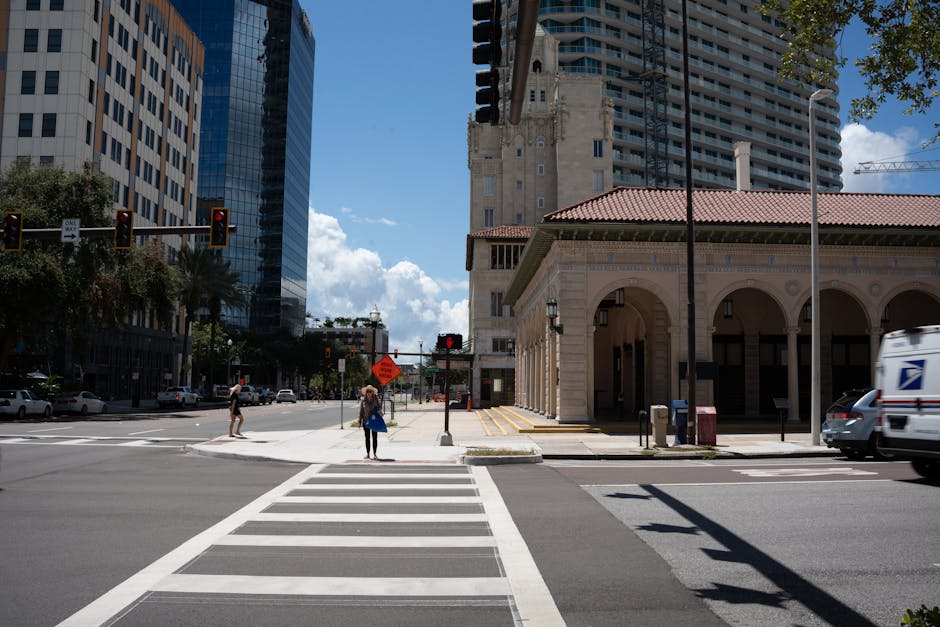
The Evolution of Tampa as a Primary Luxury Market
The transition of the Tampa Bay region from a seasonal interest to a primary executive hub has reached a critical maturity stage. Historically viewed as a secondary market for vacation properties, the area is now characterized by permanent residency among high-net-worth individuals. This shift is driven by a combination of favorable tax environments, robust infrastructure development, and a significant increase in professional opportunities within the financial and technology sectors. The result is a market that no longer relies on seasonal cycles but maintains a consistent demand for high-end residential assets throughout the year.
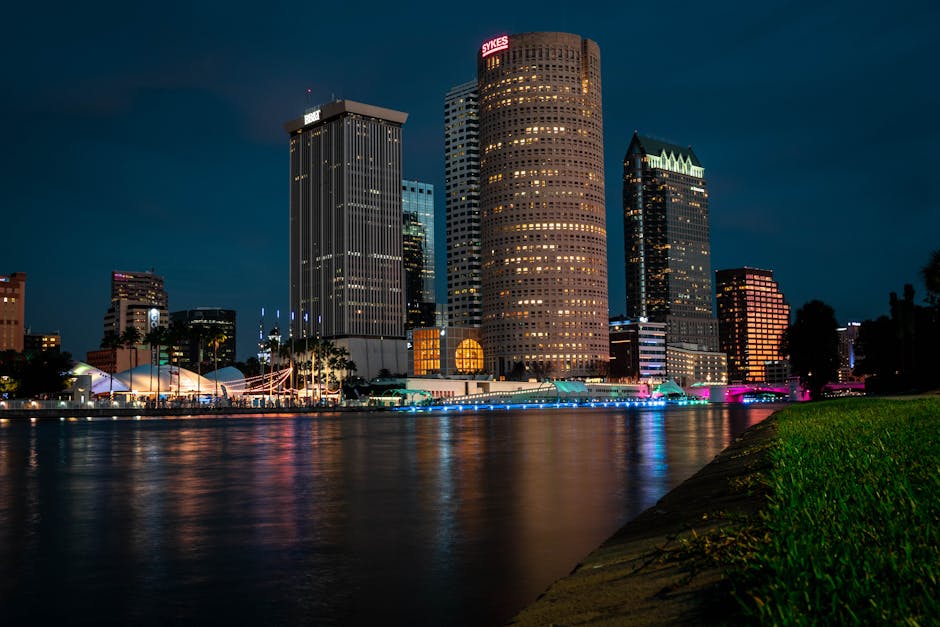
Current inventory data reflects this permanence, with active luxury counts stabilizing around 120 units. Buyers are increasingly focused on long-term value and structural integrity rather than purely aesthetic appeal. The baseline for entry-level luxury has effectively moved to a median list price of $2,500,000, establishing a clear threshold for the upper-tier market. This price floor is supported by a scarcity of ready-to-move-in properties and a lengthening of the average hold period as owners view their Tampa residences as core components of their global portfolios.
As the city evolves, the demand for sophisticated urban living has spurred the growth of areas like Water Street, which integrates high-density luxury with walkable amenities. This development philosophy mirrors patterns seen in established global metros, attracting a demographic that prioritizes efficiency and accessibility. According to recent reports on Florida real estate trends, the influx of out-of-state capital continues to exert upward pressure on valuations, particularly in established submarkets that offer a blend of privacy and connectivity.
Strategic Analysis of South Tampa Submarkets
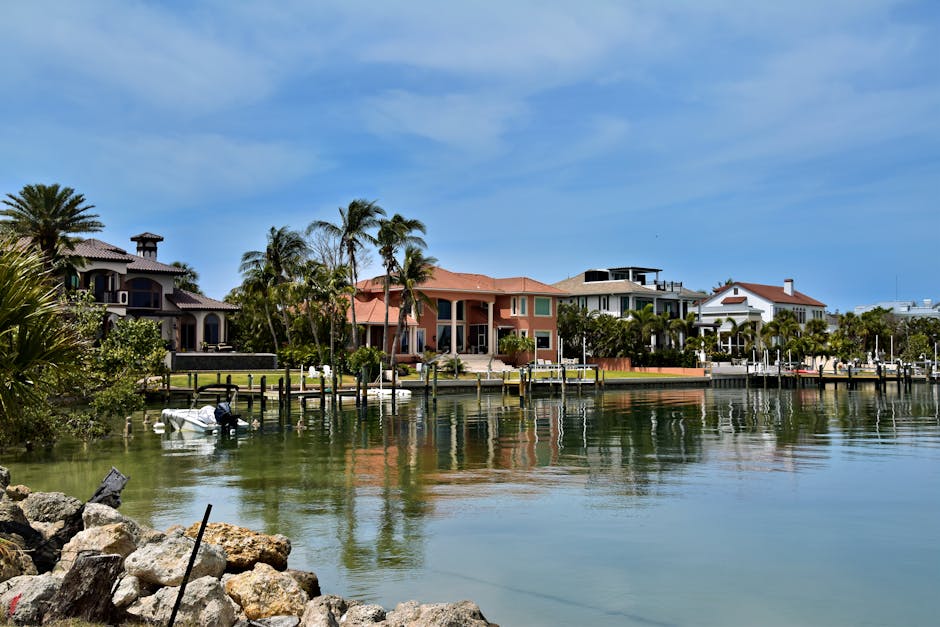
South Tampa remains the epicenter of high-end demand, though the focus within this area has diversified. Traditional favorites like Davis Islands and Beach Park continue to command premiums due to their limited geographic footprints and established prestige. However, the specific requirements of the modern buyer are shifting the internal hierarchy of these neighborhoods. While historical Mediterranean designs were once the standard, there is a visible movement toward Modern Coastal and Organic Modernism, emphasizing clean lines, floor-to-ceiling glass, and integrated outdoor living spaces.
In neighborhoods such as Culbreath Isles and Sunset Park, the premium is increasingly placed on lot size and water frontage. Buyers are performing more rigorous due diligence on site elevations and coastal construction requirements before proceeding with acquisitions. This analytical approach to buying is a hallmark of the current market, where technical specifications often outweigh brand-name finishes in the final decision-making process. The limited availability of vacant land means that many acquisitions are now teardown opportunities, leading to a new wave of custom-built estates that meet 2026 building codes.
The competitive nature of these submarkets requires a proactive approach to inventory. Serious participants in the market are often looking beyond public data to find opportunities before they are fully exposed to the broader audience. To understand the current landscape of available inventory, investors and residents should regularly review the latest listings for sale to gauge real-time movement and pricing trends across these key South Tampa pockets.
The Waterfront Imperative: Scarcity and Law
The emergence of the Tampa Bay waterfront as a primary luxury market has introduced complex considerations regarding riparian rights and coastal management. As detailed by The National Law Review, the legal landscape surrounding waterfront development is becoming more sophisticated. Buyers must navigate a web of state and local regulations that govern everything from dock construction to shoreline stabilization. These factors are no longer secondary concerns but are central to the valuation of any coastal property.
Waterfront inventory in areas like Bayshore Boulevard and the various isles remains exceptionally tight. The appeal of having direct deep-water access for larger vessels continues to drive price appreciation that often outpaces the broader market. We are seeing a trend where buyers are willing to compromise on the condition of a home to secure a superior water position, knowing that the structural elements can be renovated but the location is finite. This focus on site value over building value is a primary characteristic of the current waterfront cycle.
Furthermore, the integration of smart-home technology and advanced flood mitigation strategies has become a standard requirement for waterfront estates. High-net-worth buyers are prioritizing resilient architecture that can withstand tropical weather patterns while maintaining a seamless aesthetic. This marriage of engineering and design is what defines the modern Tampa waterfront mansion, moving away from the purely decorative styles of the early 2000s toward a more functional and durable luxury.
Essential Considerations for High-Value Acquisitions
Navigating a multi-million-dollar real estate transaction in the current climate requires a methodical approach to verification and selection. The following criteria represent the core requirements for a successful acquisition in the Tampa market:
- Verification of finished floor elevations and compliance with the most recent FEMA maps.
- Assessment of dockage capabilities, including water depth at low tide and existing permits for lifts.
- Detailed review of private security infrastructure and neighborhood-level surveillance integration.
- Analysis of surrounding development pipelines to identify potential impacts on privacy or views.
- Evaluation of coastal construction control lines for properties with direct open-water exposure.
- Review of historical tax assessments and projected homestead exemption impacts for permanent residents.
Architectural Diversification and Modern Standards
The architectural landscape of Tampa is undergoing a visible transformation. The heavy, ornate styles that dominated the market for decades are being replaced by designs that emphasize light, volume, and natural materials. This shift is not merely a matter of taste; it reflects a change in how residents interact with their homes. Large, open floor plans that facilitate both family life and large-scale entertaining are the new requirement. There is a specific demand for multi-functional spaces, including dedicated home offices with professional-grade acoustic treatments and integrated wellness suites.
Materials such as limestone, white oak, and high-performance glass are becoming the staples of the high-end build. This aesthetic shift is also supported by a focus on sustainability and energy efficiency, which were previously overlooked in the luxury sector. Buyers are now asking for high-SEER HVAC systems, solar readiness, and electric vehicle charging infrastructure as part of the standard package. This modernization of the housing stock is essential for maintaining Tampa’s competitiveness against other luxury markets like Miami or Scottsdale.
Regional shifts are also influencing these standards. For instance, the evolving definition of luxury in nearby markets, such as the condo developments in St. Pete, is pushing Tampa developers to offer higher levels of service and amenity integration. The cross-pollination of ideas between the urban core and the suburban estates is creating a more cohesive and sophisticated regional aesthetic that appeals to an international clientele.
The Intersection of Business Growth and Residential Value
The strength of the residential market is inextricably linked to the region’s economic performance. Tampa’s ability to attract major corporate events and institutional investment serves as a significant catalyst for real estate values. The recent announcement of the WWE takeover during Memorial Day weekend is a prime example of the city’s capacity to host high-profile events that draw global attention. These events not only provide a short-term economic boost but also reinforce the city’s status as a top-tier destination for entertainment and business.
Professional migration remains a primary driver of the $3,276,029 average list price seen in the luxury segment. As more companies establish regional headquarters in the Westshore and Downtown districts, the demand for high-end housing within a short commute remains high. This synergy between the commercial and residential sectors provides a level of market stability that is often missing in purely speculative environments. Investors are taking note of this balance, viewing Tampa real estate as a defensive asset in a volatile global economy.
Furthermore, the data regarding the most expensive home sales of 2025 indicates a high level of confidence among local buyers who are often the most knowledgeable about market nuances. When local business leaders and established families continue to reinvest in the market at record levels, it provides a strong signal to external investors. This domestic confidence is the foundation upon which the current expansion is built, suggesting that the market has room for further disciplined growth.
Long-Term Outlook for the Tampa Bay Region
Looking ahead, the outlook for the Tampa luxury sector remains one of cautious optimism and structural strength. The market has moved past the frenetic pace of the early 2020s and into a more sustainable period of growth. This normalization is beneficial for both buyers and sellers, as it allows for more thorough negotiations and more accurate price discovery. The focus will remain on high-quality assets in premier locations, with the gap between generic luxury and truly exceptional properties expected to widen.
Strategic buyers will continue to prioritize properties that offer a combination of lifestyle, security, and future-proofing. As the city continues to invest in its parks, cultural institutions, and transit options, the intrinsic value of living in the heart of Tampa will only increase. The evolution of the market is a testament to the city’s resilience and its successful transition into a major player on the national stage. For those navigating this landscape, the emphasis should always be on acquiring assets that meet the highest standards of construction and location.
Success in this environment requires the guidance of a professional who understands the specific nuances of neighborhood transitions and structural requirements. Whether you are looking to divest from a long-term holding or establish a new primary residence, an analytical approach to the market is essential. We invite you to browse our current curated listings and contact an advisor to discuss how these market movements impact your specific real estate objectives.
Your next move in Tampa luxury
Get current inventory, pricing guidance, and private-tour support from our brokerage team.
Source highlights
- Downtown St. Pete's definition of luxury condos shifts as the city evolves – The Business Journals
- Tampa Bay’s most expensive luxury home sales of 2025 – Tampa Bay Times
- Tampa Bay’s Waterfront Emerges as a Primary Luxury Real Estate Market – The National Law Review
- Florida Trend Real Estate – Florida Trend
- Why Tampa remains an early-stage luxury condo market – Tampa Bay Business & Wealth
- Sarasota developer proposes 300 single-family homes in Lakewood Ranch – The Business Journals
- WWE announces Memorial Day weekend takeover in Tampa – WWE
- Things to do with kids this weekend in Tampa, FL – That's So Tampa



