


The Transition to a Primary Luxury Market
The Tampa luxury real estate landscape has underwent a fundamental transformation over the past twenty-four months. Historically viewed as a collection of high-end seasonal enclaves, the region has matured into a unified primary market where the demand for permanent, high-utility residences now outstrips speculative investment. This shift is characterized by a move away from the traditional vacation home model toward properties that function as sophisticated, full-time command centers for high-net-worth individuals and their families.
Current inventory dynamics reflect this maturation. With a median list price now hovering at $2,500,000 and an average list price exceeding $3,200,000, the entry point for true luxury has recalibrated. This is no longer a market of emerging potential; it is one of established value. Buyers are increasingly prioritizing architectural integrity, advanced smart-home integration, and proximity to the city’s burgeoning cultural and commercial cores over sheer square footage. The focus has sharpened on the quality of the build and the permanence of the location.
The institutional confidence in Tampa’s long-term trajectory is palpable. According to recent reporting by The National Law Review, the Tampa Bay waterfront has emerged as a primary luxury market on a national scale. This categorization places our local coastline in the same conversation as established tier-one markets, reflecting a surge in permanent wealth migration and a corresponding increase in the complexity of local real estate transactions. Understanding this shift is critical for any buyer looking to secure a legacy asset in the current climate.
For those currently evaluating the market, the active luxury count of approximately 120 properties offers a specialized selection, yet competition remains concentrated at the top tier. Successful acquisition in this environment requires more than just capital; it demands a nuanced understanding of hyper-local movements and the ability to distinguish between transient trends and enduring value. We recommend starting with a comprehensive review of LISTINGS URL to gauge current inventory levels against your specific requirements.
Waterfront Assets and Capital Preservation
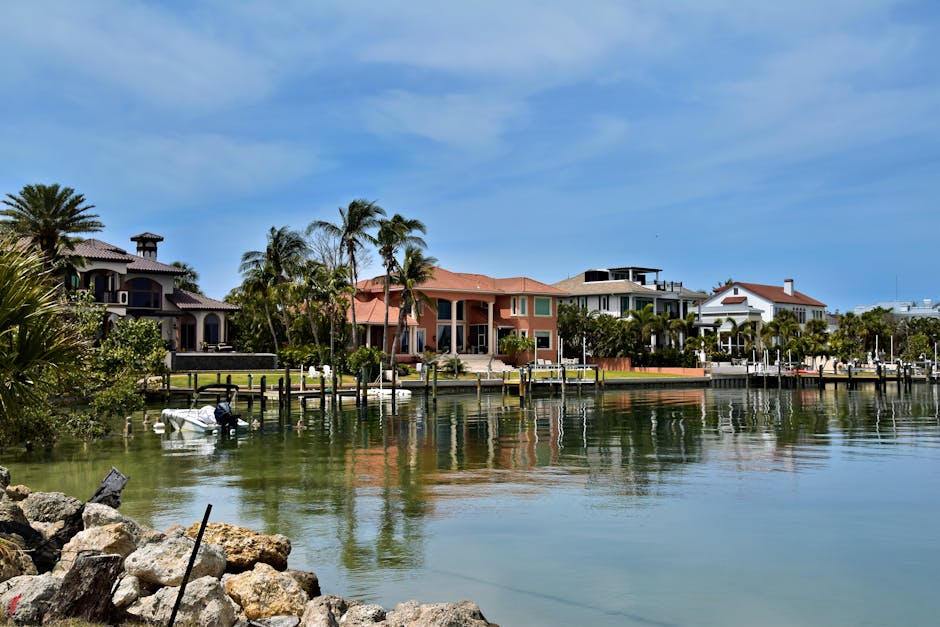
In the luxury sector, waterfront remains the ultimate hedge against market volatility. In areas like Davis Islands and along Bayshore Boulevard, the scarcity of available land has created a floor for property values that few other asset classes can match. However, the definition of a “premium” waterfront lot is evolving. Buyers are now looking beyond the view, focusing instead on technical specifications such as seawall elevation, riparian rights, and deep-water access for larger vessels. The utility of the water is becoming as important as the aesthetics.
The psychology of the contemporary waterfront buyer is analytical and risk-averse. There is a growing emphasis on climate-resilient construction and the long-term viability of coastal infrastructure. This has led to a premium on new-construction homes that exceed current building codes. We are seeing a significant trend where buyers are willing to pay a substantial surplus for peace of mind, favoring homes designed with reinforced concrete, elevated living levels, and integrated backup power systems. These features are no longer considered optional upgrades; they are foundational requirements for capital preservation.
The historical performance of these assets supports this cautious optimism. As documented in the Tampa Bay Times review of the most expensive sales of 2025, waterfront properties consistently dominate the top of the market. These sales are not merely transactions; they are benchmarks that define the regional ceiling. For the sophisticated buyer, these data points serve as a roadmap for identifying neighborhoods where demand remains inelastic despite broader economic shifts.
Navigating these high-stakes acquisitions requires a level of diligence that goes beyond a standard home inspection. Assessing the integrity of a seawall or the specifics of a dock permit can be the difference between a sound investment and a costly liability. Buyers should prioritize properties that offer a clean chain of title and fully permitted maritime improvements. When you are ready to explore these specific nuances, you should CONTACT URL an advisor who specializes in the technical aspects of waterfront residential law and engineering.
The Maturation of the High-Altitude Residential Sector
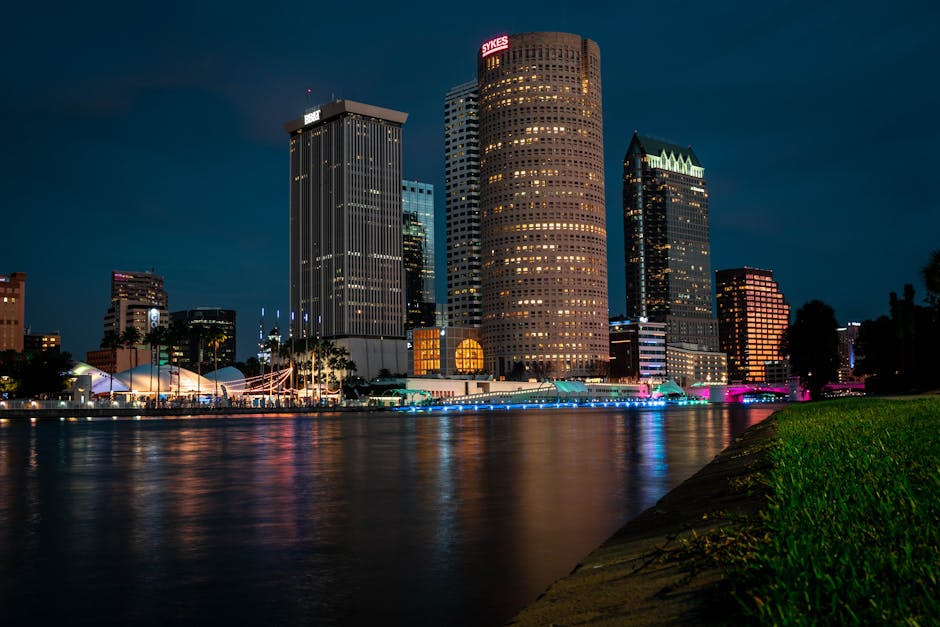
While single-family estates often garner the most headlines, the vertical luxury market in Tampa is entering a sophisticated new phase. The city is moving past its “early-stage” status for luxury condos, as noted by Tampa Bay Business & Wealth. This evolution is most visible in the downtown core and along the fringes of the Channel District, where new towers are offering service levels previously only found in cities like Miami or New York. For the modern buyer, the appeal lies in the intersection of high-security, lock-and-leave convenience, and hyper-amenitized living.
The current crop of luxury towers is redefining what it means to live in the city. We are seeing a shift toward larger, half-floor and full-floor plates that mimic the feel of a traditional home but with the added benefits of 24-hour concierge services, private elevators, and world-class wellness facilities. This “villa in the sky” concept is attracting a demographic that values time as much as space. The ability to travel for weeks at a time with the knowledge that your primary residence is secure and maintained is a powerful motivator for the global citizen.
Furthermore, the integration of retail and residential is creating a more cohesive urban experience. Projects like Water Street have proven that high-end buyers are looking for a walkable environment that doesn’t sacrifice privacy. The success of these developments has spurred a ripple effect, encouraging developers to push the boundaries of design and service. We are now seeing buildings that feature Michelin-starred dining on-site, private club memberships for residents, and dedicated staff for everything from pet care to event planning.
However, the condo market requires its own specific set of comparisons. Buyers must look beyond the gleaming facades and analyze the health of the homeowners’ association, the long-term maintenance schedule, and the potential for neighboring developments to impact views. It is about understanding the “life of the building” as much as the layout of the unit. As the city continues to densify, the value of a protected view becomes exponentially higher.
Acquisition Due Diligence for High-End Assets
A successful luxury transaction in Tampa requires a methodical approach to verification. In a market where values can vary significantly by a single block, the following steps are essential for any prospective purchaser looking to mitigate risk and ensure a smooth closing process.
- Verify the status of all maritime permits and the remaining life of seawalls for any waterfront property.
- Analyze the historical flood insurance rates and current elevation certificates to understand long-term carrying costs.
- Review the HOA or COA reserve studies to ensure the building or community is financially prepared for future capital improvements.
- Conduct a detailed comparison of the last 12 months of “off-market” sales to establish a true baseline for value in specific enclaves.
- Engage a specialized maritime or land-use attorney to review riparian rights and any existing easements on the property.
Geographic Nuance: South Tampa and the St. Petersburg Corridor
Choosing between the established elegance of South Tampa and the evolving skyline of St. Petersburg is more than a lifestyle preference; it is a strategic decision. South Tampa, particularly neighborhoods like Beach Park and Culbreath Isles, offers a sense of permanence and architectural heritage. These areas are characterized by deep lots, mature oak canopies, and a proximity to the city’s top-tier private schools. For families, the value proposition here is often centered on the stability of the neighborhood and the quality of the local infrastructure.
Conversely, the St. Petersburg corridor represents a different kind of luxury. The city is currently redefining its definition of high-end living as it continues to attract a younger, tech-focused demographic. As explored by The Business Journals, the shift in condo standards there reflects a broader urban evolution. The appeal is a blend of arts, culture, and a highly walkable downtown that feels distinct from the more corporate feel of Tampa’s central business district. For many, the choice between the two sides of the bay comes down to the desired pace of daily life.
Market velocity remains high in both areas, but the drivers differ. In South Tampa, the inventory is largely comprised of single-family residences where turnover is relatively low, leading to consistent price appreciation. In St. Petersburg, the market is more dynamic, with a constant influx of new inventory that keeps the energy high and the options diverse. Buyers should consider how each environment aligns with their long-term goals for both lifestyle and asset liquidity.
It is also worth noting the impact of larger-scale developments in the surrounding areas. For example, a Sarasota developer’s proposal for 300 single-family homes in Lakewood Ranch highlights the continued eastward expansion of the luxury footprint. This regional growth provides a broader context for why the core Tampa markets remain so valuable; as the periphery expands, the desirability of the central waterfront and established neighborhoods only intensifies.
Market Velocity and Infrastructure Anchors
The resilience of the Tampa market is rooted in its robust infrastructure and its status as a destination for major international events. This is not just a place where people live; it is a place where things happen. The momentum is visible in the city’s ability to host large-scale spectacles, such as the Memorial Day weekend takeover recently announced by the WWE. These events drive tourism, but more importantly, they showcase the city’s capacity for growth and its appeal to a global audience.
This cultural energy translates directly into real estate value. High-net-worth buyers want to be in a city that is active, connected, and continuously improving. The ongoing investments in the Tampa International Airport, the expansion of the Riverwalk, and the redevelopment of the various waterfront parks all serve as anchors that support residential property values. When you buy into Tampa, you are buying into a trajectory of improvement that has been decades in the making.
Buyer behavior in 2026 has become increasingly decisive. Those who have tracked the market over the last several years recognize that waiting for a significant pullback often results in missed opportunities. The current inventory of 120 luxury homes represents a window of choice that may not last as the national spotlight continues to shine on the Gulf Coast. We are seeing a return to “conviction-based” buying—purchasers who find a property that meets 90% of their criteria and move quickly to secure it.
The decision to acquire a luxury home in Tampa is as much about joining a community as it is about the real estate itself. Whether it is the quiet prestige of an estate on the water or the vibrant energy of a downtown penthouse, the options have never been more refined. To navigate this landscape with the precision it deserves, we invite you to browse our curated selection of LISTINGS URL and CONTACT URL an advisor today to discuss your strategic objectives and identify the property that will anchor your future in Tampa Bay.
Your next move in Tampa luxury
Get current inventory, pricing guidance, and private-tour support from our brokerage team.
Source highlights
- Downtown St. Pete's definition of luxury condos shifts as the city evolves – The Business Journals
- Tampa Bay’s most expensive luxury home sales of 2025 – Tampa Bay Times
- Tampa Bay’s Waterfront Emerges as a Primary Luxury Real Estate Market – The National Law Review
- Florida Trend Real Estate – Florida Trend
- Why Tampa remains an early-stage luxury condo market – Tampa Bay Business & Wealth
- Sarasota developer proposes 300 single-family homes in Lakewood Ranch – The Business Journals
- WWE announces Memorial Day weekend takeover in Tampa – WWE
- Things to do with kids this weekend in Tampa, FL – That's So Tampa



