


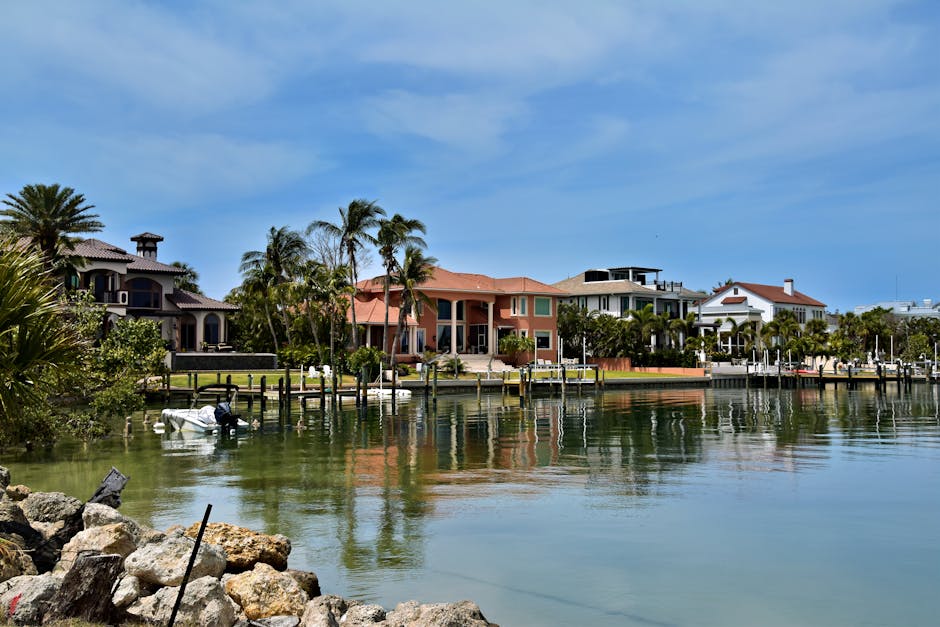
The Structural Shift Toward Primary Waterfront Residences
The Tampa Bay waterfront is no longer a collection of secondary seasonal retreats. In recent years, we have observed a fundamental transition where domestic and international buyers are treating these coastal assets as primary residences. This movement is supported by significant infrastructure investment and a broadening of the local economic base. According to analysis from The National Law Review, the region is now competing with established global hubs for high-net-worth individuals who prioritize both tax efficiency and sophisticated coastal living. This shift has led to a more permanent population in neighborhoods like Davis Islands and Snell Isle, fundamentally changing the rhythm of these communities.
For the buyer, this means that the criteria for a successful acquisition have evolved. While aesthetic appeal remains a factor, the focus has pivoted toward long-term structural integrity and functional utility. Buyers are looking for properties that accommodate full-time occupancy, including expansive home offices, advanced climate control systems, and integrated wellness spaces. We are seeing a decrease in ‘speculative’ buying and an increase in ‘lifestyle’ acquisitions where the goal is multi-generational wealth preservation. This demand for primary-residence quality is driving the development of new estates that far exceed the construction standards of even a decade ago.
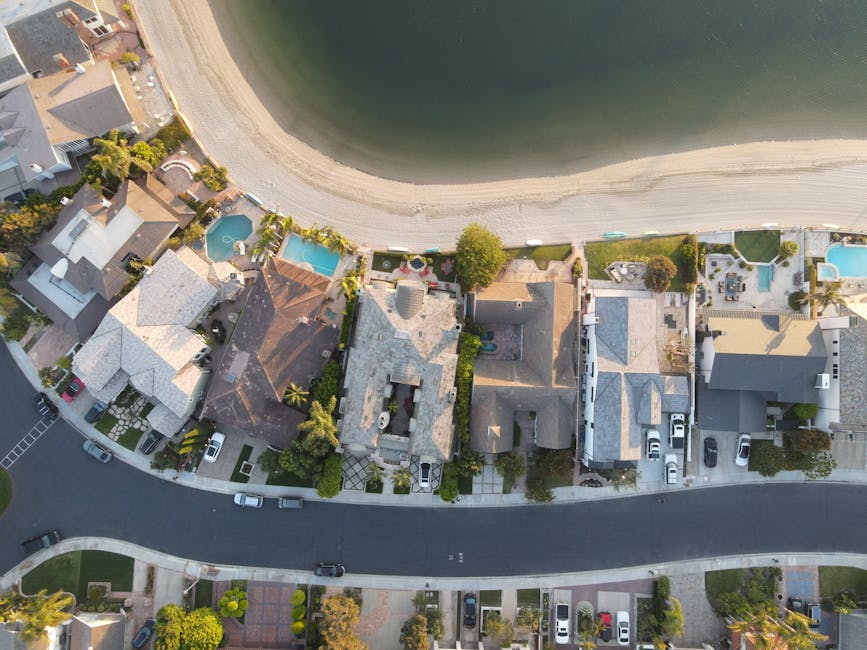
The coastal landscape is also being redefined by sophisticated land-use strategies. As the availability of prime buildable lots diminishes in established enclaves, we are seeing a rise in the assembly of smaller parcels to create massive family compounds. This concentration of land value is particularly evident in areas such as Westshore Yacht Club and the southern reaches of Bayshore Boulevard. Understanding the nuances of riparian rights and coastal setback requirements is essential for any buyer looking at properties like those on Troutwater Lane or similar bayfront corridors. The complexity of these transactions requires a level of diligence that goes beyond the standard residential closing process.
Comparative Analysis of Tampa and St. Petersburg Urban Hubs
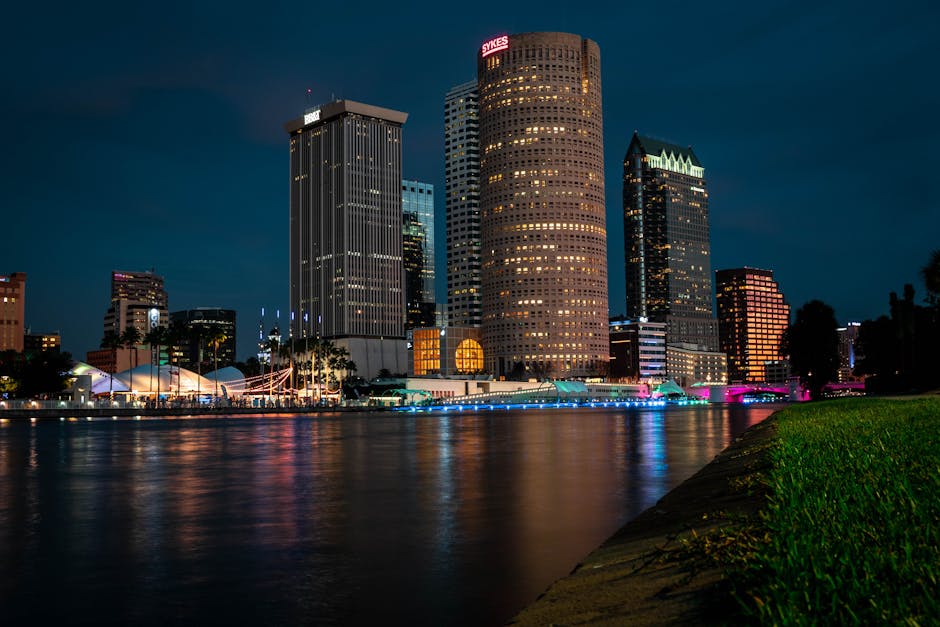
A frequent point of discussion among our clients is the choice between the established prestige of South Tampa and the evolving urban sophistication of Downtown St. Petersburg. Each market offers a distinct value proposition. St. Petersburg’s luxury sector is currently undergoing a redefinition, as noted by The Business Journals. The city is shifting away from traditional low-rise condominiums toward high-density, amenity-rich towers that cater to a younger, more mobile executive class. This evolution is creating a vertical neighborhood dynamic that rivals major metropolitan centers in the Northeast, albeit with the benefit of the Florida climate.
In contrast, Tampa’s luxury core remains anchored in the traditional high-end residential enclaves of South Tampa. However, the emergence of Water Street and the ongoing expansion of the Westshore district are introducing a similar vertical luxury component to the Tampa side of the bay. The primary difference lies in the integration with the broader regional economy; Tampa remains the financial and industrial hub, while St. Petersburg has positioned itself as the arts and leisure capital. Buyers must weigh the proximity to corporate headquarters against the immediate access to the walkable waterfront districts that define the St. Pete experience. We often advise clients to look at the long-term utility of the location relative to their professional and social obligations.
The pricing delta between these two markets is narrowing. Historically, St. Petersburg offered a relative discount compared to the blue-chip addresses of Tampa, but that gap is closing as new developments set record-breaking price-per-square-foot benchmarks. The ‘amenity war’ between new towers in both cities has resulted in a standardized level of luxury—think rooftop pools, 24-hour concierge services, and private elevator access—which makes the decision more about the specific ‘vibe’ of the neighborhood than the specifications of the unit itself. It is critical to analyze the HOA solvency and the long-term maintenance schedules of these high-rise assets before committing capital.
Inventory Constraints and Pricing Benchmarks
The current state of the luxury inventory in Tampa is characterized by a high concentration of value within a limited number of active listings. With approximately 120 properties currently on the market in the upper tier, the median list price has stabilized around $2,499,000. However, the average list price exceeds $3.2 million, reflecting the impact of ultra-luxury estates that push the upper boundaries of the market. This skew indicates that while the entry-level luxury market is competitive, the trophy assets—those priced above $5 million—are operating in a distinct tier with a slower turnover but higher price stability. Buyers should refer to the current LISTINGS URL to calibrate their expectations against the available supply.
Recent transactions have set important benchmarks for the region. For instance, acreage properties like those on Memorial Highway or Gardner Road are increasingly sought after by buyers who desire privacy and space without sacrificing proximity to the urban core. These land-heavy assets provide a hedge against the density of the coastal markets. We are seeing a trend where buyers are willing to pay a premium for ‘ready-to-move-in’ properties to avoid the current volatility in construction costs and timelines. This has created a bifurcated market where updated, modern estates command significant premiums over properties requiring even moderate renovation.
Analyzing the ‘Days on Market’ metric reveals that properly priced luxury assets are still moving within a reasonable window, typically under 60 days. Overpriced properties, however, quickly become stagnant, as the buyer pool in this segment is highly educated and utilizes sophisticated data to evaluate value. We recommend that sellers utilize comprehensive market reports, such as those found in Florida Trend, to understand the broader economic headwinds and tailwinds affecting the state’s real estate sector. For the buyer, this environment rewards patience and the ability to move quickly when a correctly priced asset enters the inventory.
Strategic Due Diligence for High-Value Acquisitions
Acquiring a high-value property in the Tampa market requires a rigorous investigative process that extends far beyond a standard home inspection. The environmental and regulatory landscape in Florida is unique, and failure to account for these factors can lead to significant unforeseen costs. A sophisticated buyer advisor will coordinate with environmental engineers, land-use attorneys, and insurance specialists to build a comprehensive risk profile for the asset. This is particularly true for waterfront properties where the condition of the marine infrastructure is as important as the roof of the house.
- Verification of current flood elevation certificates and their impact on long-term insurance premiums.
- Comprehensive inspection of seawall structural integrity and the remaining useful life of dockage.
- Analysis of riparian rights to ensure unobstructed access to deep-water channels.
- Evaluation of HOA or CDD financial reserves and any pending special assessments.
- Assessment of smart-home integration and the scalability of the existing technology infrastructure.
- Review of property tax reassessment projections post-acquisition to avoid carrying cost surprises.
Beyond the physical asset, the legal structure of the acquisition is a critical consideration. Many of our clients utilize trusts or corporate entities to manage their real estate holdings, which necessitates a clear understanding of how these structures interact with Florida’s homestead laws and tax exemptions. While we do not provide legal or financial advice, we work closely with our clients’ existing counsel to ensure the transaction aligns with their broader wealth management strategy. The goal is to create a seamless transition that protects the buyer’s privacy and maximizes the long-term benefits of the investment.
The Maturation of the Regional Condominium Sector
Tampa is often described as an ‘early-stage’ luxury condo market, a sentiment echoed by Tampa Bay Business & Wealth. Unlike established markets like Miami or Naples, Tampa is just beginning to see the arrival of global luxury hotel-branded residences. These developments bring a level of service and security that was previously unavailable in the region. For the buyer, this represents an opportunity to enter a market that is still in the process of defining its upper limit. The vertical living trend is being driven by a desire for a ‘lock-and-leave’ lifestyle among affluent professionals and retirees who want to spend their time enjoying the region rather than managing a large estate.
The maturation of this sector is also attracting specialized talent to the region. We are seeing the emergence of highly focused real estate teams that specialize exclusively in the luxury vertical niche. This specialization is necessary because the valuation of a high-rise unit depends on factors that don’t apply to single-family homes, such as floor-level premiums, view corridors, and the exclusivity of building amenities. Understanding the pipeline of future developments is also essential; a view that is spectacular today could be obstructed by a new tower tomorrow. This requires a deep dive into the city’s master planning and zoning documents.
Furthermore, the condo market is becoming more segmented. We are seeing a distinction between ‘lifestyle’ buildings that focus on social amenities and ‘privacy’ buildings that prioritize discretion and limited unit counts. For the senior buyer advisor, the task is to match the client’s social preferences with the specific culture of the building. Some clients want the energy of a building with a high-end restaurant on the ground floor, while others want a quiet, residential-only environment where they rarely see their neighbors. Identifying these nuances is what separates a generic search from a bespoke acquisition strategy.
Navigating the Intersection of Lifestyle and Long-Term Value
The decision to invest in Tampa luxury real estate is ultimately a lifestyle choice supported by strong economic fundamentals. The region’s growth is not merely a post-pandemic anomaly but the result of decades of planning and investment. This is reflected in the quality of the local events and cultural offerings. For example, the downtown area regularly hosts significant family-centric events and concerts that enhance the livability of the urban core, as reported by FOX 13 Tampa Bay. These cultural anchors provide a ‘soft’ infrastructure that supports the ‘hard’ value of the real estate.
We also observe that buyer behavior is increasingly influenced by the proximity to private aviation facilities and elite educational institutions. The ability to commute via Peter O. Knight or Tampa International Airport while living in a secluded waterfront estate is a powerful draw for the modern executive. Similarly, the strength of the local private school network continues to be a primary driver for families relocating from other states. When we evaluate a property’s potential for appreciation, we look at these external factors as much as the house itself. A luxury home is an island, but its value is determined by the quality of the surrounding archipelago.
As the market continues to evolve, the importance of local expertise cannot be overstated. The Tampa Bay luxury market is a collection of micro-markets, each with its own rules and trends. What is happening in Beach Park may be entirely different from what is occurring in the Old Northeast. Successful buyers are those who look beyond the marketing gloss and understand the underlying mechanics of the local market. This involves analyzing historical sales data, monitoring the local political landscape, and staying informed about upcoming infrastructure projects that could impact property values. In this environment, information is the most valuable currency.
To navigate this complex landscape effectively, we invite you to browse our curated selection of properties and connect with an advisor who understands the nuances of the Tampa market. Whether you are looking for a secluded waterfront estate or a sophisticated urban residence, our team provides the analytical brief and practical takeaways necessary to make an informed decision. Explore our current LISTINGS URL or CONTACT URL an advisor today to begin a confidential consultation regarding your real estate objectives.
Your next move in Tampa luxury
Get current inventory, pricing guidance, and private-tour support from our brokerage team.
Source highlights
- Downtown St. Pete's definition of luxury condos shifts as the city evolves – The Business Journals
- Tampa Bay’s most expensive luxury home sales of 2025 – Tampa Bay Times
- Tampa Bay’s Waterfront Emerges as a Primary Luxury Real Estate Market – The National Law Review
- Florida Trend Real Estate – Florida Trend
- Why Tampa remains an early-stage luxury condo market – Tampa Bay Business & Wealth
- New Signature Real Estate Team Emerges Across Tampa Bay: The Nick Janovsky Group Launches with Premier Sotheby’s International Realty – citybiz
- Things to do with kids this weekend in Tampa, FL – That's So Tampa
- From Blues to BBQ: Tampa’s can’t-miss events this weekend – WMNF 88.5 FM



