


The Institutionalization of the Tampa Waterfront Market
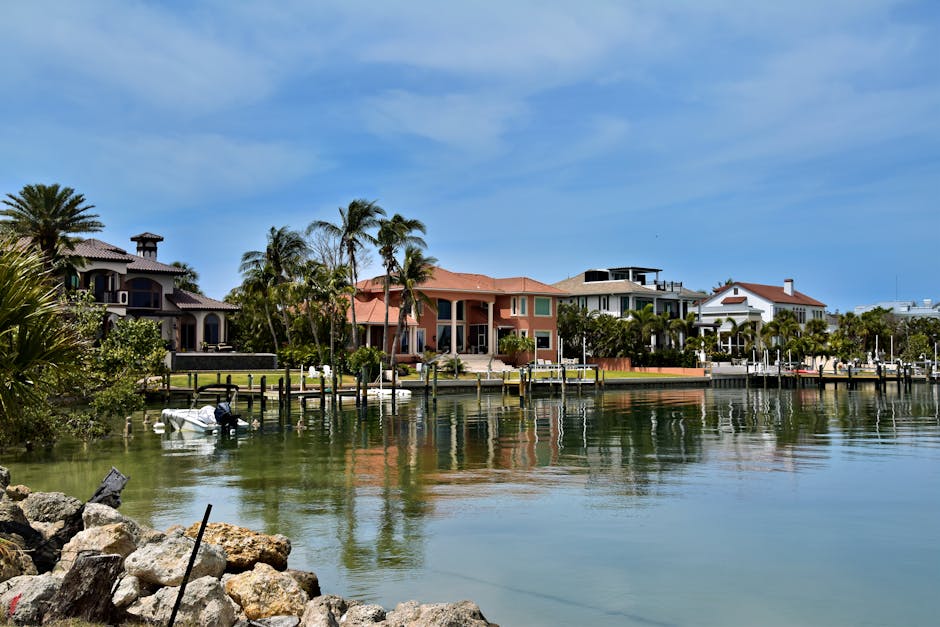
As we navigate the second quarter of 2026, the Tampa luxury sector has moved beyond its historical designation as an emerging market. Recent analysis from The National Law Review confirms that the region’s waterfront has solidified its status as a primary luxury market, attracting institutional interest and high-net-worth individuals who previously looked exclusively toward South Florida. This shift is driven by a sophisticated understanding of value, where buyers are no longer just purchasing a view, but are investing in a mature ecosystem of infrastructure and professional services.

Current inventory levels reflect this maturity, with approximately 120 active luxury listings commanding a median price point of $2,499,000. In areas like Davis Islands and Harbor Island, the emphasis has shifted from speculative growth to long-term capital preservation. Sophisticated buyers are prioritizing properties that demonstrate architectural integrity and advanced flood mitigation over purely aesthetic features. The market is witnessing a flight to quality, where the ‘luxury’ label is earned through engineering and specific location advantages rather than superficial finishes.
The current climate, characterized by the temperate April weather of roughly 85 degrees, provides an optimal window for physical inspections. This seasonal stability allows for a thorough assessment of outdoor living spaces and waterfront seawall integrity. We are seeing a specific buyer behavior that favors ‘turn-key’ structural excellence, as the cost and timeline for custom construction continue to require a three-to-five-year horizon for completion.
Condominium Maturity and the Vertical Value Proposition
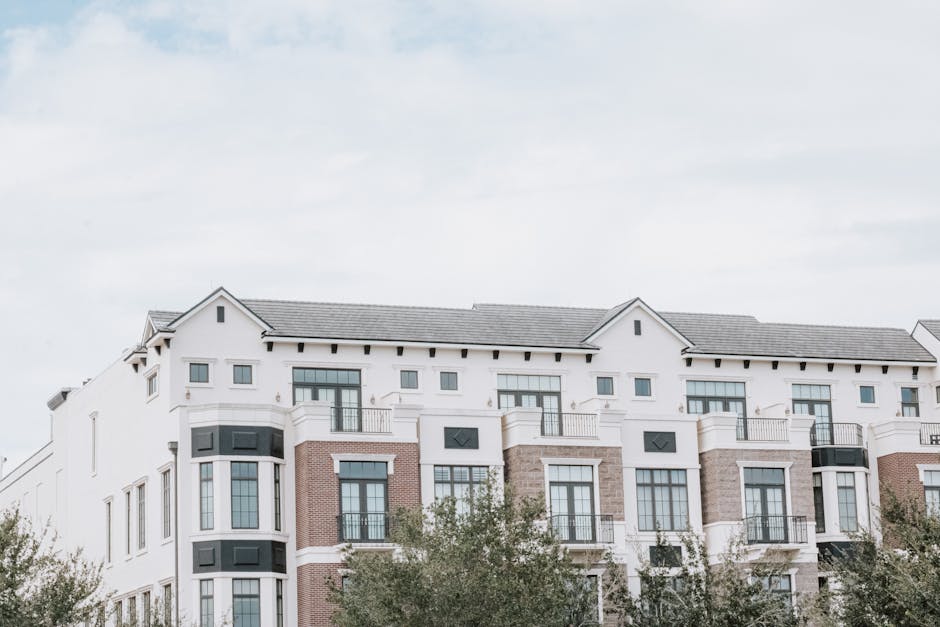
The high-end vertical market in Tampa and St. Petersburg is undergoing a significant refinement. While some observers previously viewed this as an early-stage market, Tampa Bay Business & Wealth notes that the current phase is defined by a more nuanced understanding of density and exclusivity. Buyers are moving away from massive towers in favor of boutique, service-heavy developments that offer a more private experience. This evolution is particularly evident in the downtown corridors, where the definition of luxury is being rewritten to include comprehensive wellness facilities and private elevator access as standard requirements.
In St. Petersburg, the definition of luxury continues to evolve alongside the city’s artistic and commercial core. The integration of high-end residential units with curated retail and dining has created a self-contained lifestyle that appeals to the global citizen. This is not merely about square footage; it is about the proximity to cultural nodes and the efficiency of urban living without sacrificing the privacy afforded by a traditional estate. The market is rewarding developers who prioritize low unit counts and high staff-to-resident ratios.
For those considering a transition from a single-family estate to a high-rise, the due diligence process has become more rigorous. Investors are scrutinizing the long-term viability of homeowners associations and the quality of the building’s thermal envelope and soundproofing. As inventory across the region stabilizes, the distinction between ‘premium’ and ‘luxury’ is becoming clearer, with the latter requiring a level of service and security that remains scarce in the current inventory.
Critical Due Diligence for High-Value Acquisitions
Acquiring a luxury asset in the current Tampa environment requires a tactical approach that extends beyond the initial walkthrough. Successful buyers are employing a multi-disciplinary team to verify the performance of the home’s envelope, particularly in the humid subtropical climate of the Gulf Coast. Whether evaluating a $2,650,000 estate on Troutwater Lane or a $3,800,000 property on Memorial Highway, the focus must remain on the long-term operational costs and the resiliency of the site.
- Verification of seawall height and structural condition for all waterfront parcels.
- Comprehensive assessment of the HVAC system’s dehumidification capabilities.
- Review of recent elevation certificates and updated coastal construction line requirements.
- Analysis of neighborhood-specific drainage infrastructure and recent performance during heavy rain events.
- Verification of smart-home system compatibility and the security of the integrated network.
Each of these points represents a potential pivot in the negotiation process. In a market where the average list price exceeds $3.2 million, the margin for error in due diligence is slim. We advise our clients to look past the staging and focus on the ‘bones’ of the property—the quality of the windows, the thickness of the insulation, and the reputation of the original builder. These factors ultimately dictate the resale velocity and the stability of the asset’s value over a ten-year hold.
Neighborhood Nuances: Davis Islands to Westshore
The geographical diversity of Tampa’s luxury market requires a granular understanding of neighborhood micro-climates. Davis Islands remains the gold standard for many, offering a unique blend of proximity to the urban core and a sequestered, community-oriented atmosphere. The architecture here is a blend of historic Mediterranean Revival and ultra-modern glass-and-steel structures, creating a visual tapestry that reflects the city’s growth. However, buyers must be aware of the specific zoning restrictions that govern new construction in these established pockets.
Further west, the Westshore and Culbreath Isles areas offer larger lot sizes and a more traditional ‘estate’ feel. These neighborhoods are particularly attractive to families who prioritize privacy and gated security. The buyer behavior here is often more conservative, with a focus on timeless design and expansive lawns. Proximity to the international airport and the commercial hub of Westshore provides a level of convenience that is difficult to replicate in other parts of the city. We are seeing increased interest in properties like those on Gardner Road, where larger acreages allow for more extensive private amenities.
Understanding these distinctions is vital for aligning an acquisition with lifestyle goals. A waterfront property on Bayshore Boulevard offers an entirely different daily experience than a secluded estate in Old Seneca. Our role is to provide the data-backed context that allows you to compare these options objectively. You can browse current opportunities across these distinct areas by visiting our LISTINGS URL to see how different neighborhoods command different premiums.
Economic Indicators and Inventory Health
The health of the Florida real estate market remains a primary topic of discussion for regional investors. According to reports from Florida Trend, the state’s economic fundamentals continue to support a robust high-end housing sector. While the broader national market may experience volatility, the specific demand for Tampa’s coastal lifestyle and business-friendly environment acts as a significant hedge. We are observing a steady absorption rate for correctly priced, high-quality inventory.
With 120 active listings, the market is neither oversaturated nor critically undersupplied. This balance allows for a professional negotiation environment where both parties can reach an agreement based on empirical data rather than emotional hype. Sellers who have invested in maintaining their properties to the highest standards are seeing shorter days-on-market, while those with deferred maintenance are finding the 2026 buyer much more discerning than in previous years.
It is also worth noting the impact of local events and infrastructure projects on property values. From major downtown redevelopments to community-focused initiatives highlighted by That’s So Tampa, the continuous investment in the city’s livability supports the long-term thesis for real estate ownership. A thriving city core translates directly to sustained interest in the surrounding luxury enclaves, ensuring that your acquisition remains part of a growing, vibrant economic hub.
Strategic Positioning for 2026 and Beyond
Looking forward, the integration of technology and sustainability will be the primary differentiators in the luxury space. The 2026 buyer is increasingly concerned with the carbon footprint and energy efficiency of their residence. Properties that feature solar integration, advanced greywater systems, and LEED-certified materials are no longer outliers; they are becoming the benchmark for the next generation of high-end homes. This transition is not just about environmental responsibility; it is about future-proofing the asset against rising utility costs and evolving building codes.
The successful acquisition of a Tampa luxury property requires more than just a capital allocation; it requires a strategic partnership with advisors who understand the technicalities of the local market. Whether you are looking for a primary residence or a strategic addition to a portfolio, the current market conditions offer a unique opportunity to secure high-quality assets at a fair valuation. The window for such acquisitions is often narrow, and the most desirable properties frequently move before they reach the public consciousness.
To navigate this complex landscape with confidence, we invite you to engage with our team of specialists. We provide the analytical depth and neighborhood-level insights necessary to make informed decisions in a competitive environment. Browse our curated selection of properties at our LISTINGS URL, and when you are ready to discuss your specific requirements or to schedule a private tour of an estate, please CONTACT URL an advisor to begin the process.
Your next move in Tampa luxury
Get current inventory, pricing guidance, and private-tour support from our brokerage team.
Source highlights
- Downtown St. Pete's definition of luxury condos shifts as the city evolves – The Business Journals
- Tampa Bay’s most expensive luxury home sales of 2025 – Tampa Bay Times
- Tampa Bay’s Waterfront Emerges as a Primary Luxury Real Estate Market – The National Law Review
- Florida Trend Real Estate – Florida Trend
- Why Tampa remains an early-stage luxury condo market – Tampa Bay Business & Wealth
- New Signature Real Estate Team Emerges Across Tampa Bay: The Nick Janovsky Group Launches with Premier Sotheby’s International Realty – citybiz
- Things to do with kids this weekend in Tampa, FL – That's So Tampa
- From Blues to BBQ: Tampa’s can’t-miss events this weekend – WMNF 88.5 FM



