


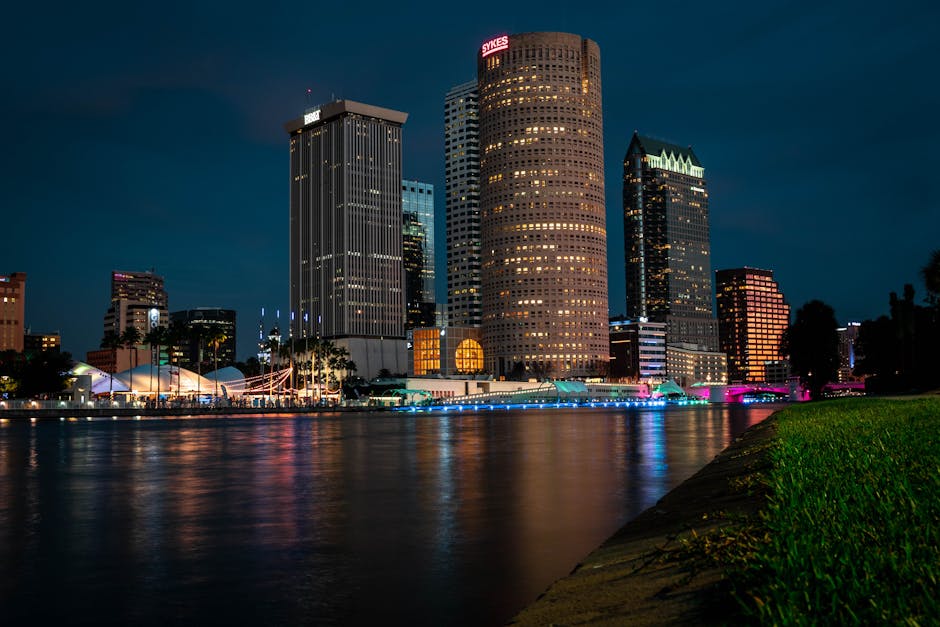
The Transition to a Primary Residence Powerhouse
For decades, the Gulf Coast of Florida was perceived through the lens of seasonal occupancy and retirement planning. However, the current trajectory of the Tampa luxury market indicates a fundamental shift in buyer behavior. We are seeing a sustained influx of high-net-worth individuals who are not merely seeking a winter retreat but are relocating their primary households and corporate headquarters to the region. This migration is fueled by a combination of favorable tax environments, significant infrastructure investment, and a quality of life that traditional financial hubs are struggling to match. The result is a market with a median list price of $2,499,000 and an average reaching beyond $3,200,000, reflecting a new baseline for premium assets.
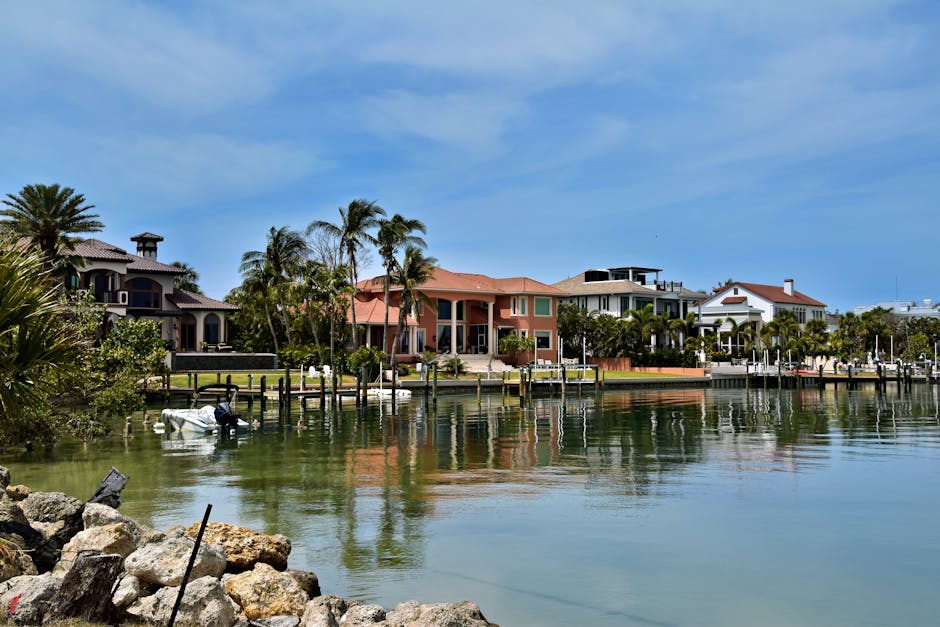
The maturity of the market is evidenced by the nature of current inventory and the velocity of high-ticket transactions. With approximately 120 active luxury listings, the scarcity of truly exceptional properties has created a competitive environment where decision-making must be backed by data rather than sentiment. Buyers are increasingly focused on long-term value retention and the functional utility of their homes as permanent workspaces and family compounds. This evolution is supported by the expansion of professional services and private education options in neighborhoods like South Tampa and the surrounding waterfront corridors, which have become essential pillars for the modern affluent family.
Furthermore, the institutional interest in the region has reached a fever pitch. Major developments in the downtown core have signaled to global investors that Tampa is prepared for the next level of density and sophistication. This institutional backing provides a layer of security for individual buyers, as it ensures continued appreciation and the development of world-class amenities. As the city continues to expand its footprint, the distinction between ‘luxury’ and ‘ultra-luxury’ becomes clearer, with the latter being defined by exclusive access, architectural significance, and proximity to the water. Understanding these nuances is critical for any advisor assisting clients in navigating this landscape.
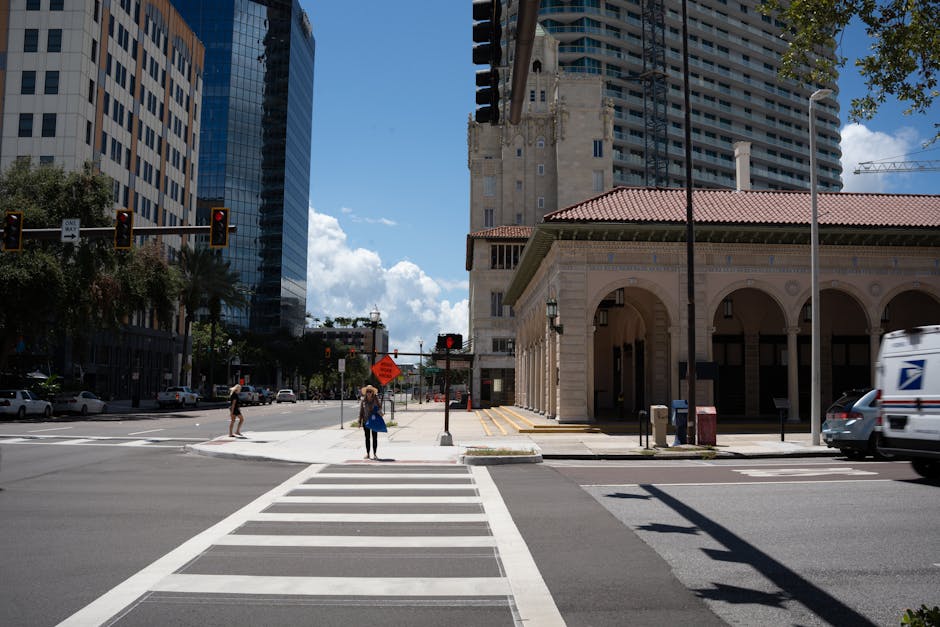
Waterfront Assets as a Distinct Primary Market
The geographic constraints of the Tampa peninsula ensure that waterfront properties remain the most resilient asset class in the region. Unlike inland developments where land availability can lead to oversupply, the finite nature of the coastline creates a natural barrier to entry. This scarcity has led to a situation where waterfront properties are treated as a distinct primary market, separate from the broader residential sector. According to an analysis by The National Law Review, the emergence of the waterfront as a primary luxury destination is a direct result of buyers prioritizing outdoor lifestyle and maritime access as non-negotiable requirements for their primary residence.
This shift is particularly evident in the pricing of trophy assets. Properties such as those found on Troutwater Lane or Gardner Road represent the current entry point for buyers seeking significant acreage or deep-water access. These estates are no longer viewed as speculative investments but as long-term stores of wealth. The analytical buyer now evaluates these properties based on sea-wall integrity, elevation certifications, and the potential for custom dockage. The emphasis has shifted from cosmetic appeal to the structural and legal readiness of the site, as sophisticated investors look to future-proof their acquisitions against evolving environmental and building standards.
Moreover, the integration of waterfront living with urban accessibility has become a major draw for the younger demographic of wealth. The ability to commute by boat to the downtown waterfront or enjoy a sunset cruise before dinner at a nearby culinary destination has redefined the luxury experience. This lifestyle is not about passive observation of the water but active engagement with it. As the market continues to evolve, we expect the premium on waterfront parcels to widen further compared to non-waterfront alternatives, making current acquisition timing a critical factor for those seeking to secure their place on the coast.
The Early-Stage Luxury Condo Cycle
While the single-family market remains the bedrock of Tampa’s luxury scene, the vertical living sector is currently in a fascinating stage of its evolution. Compared to established condo markets like Miami or Naples, Tampa is often characterized as being in an early-stage luxury condo cycle. This assessment, highlighted by Tampa Bay Business & Wealth, suggests that there is still significant room for growth and price appreciation as the city adds more high-rise inventory. For buyers, this represents an opportunity for arbitrage, as they can acquire top-tier units at a lower price per square foot than in other Florida metros while benefiting from the same level of luxury and amenity density.
The shift toward condo living is driven by a desire for a ‘lock-and-leave’ lifestyle among both domestic and international buyers. High-end developments are now offering services that were previously only found in five-star hotels, including 24-hour concierge, private wellness centers, and climate-controlled storage for wine and automotive collections. This transition is not limited to Tampa; across the bay, the definition of luxury condos is also shifting as St. Petersburg’s skyline continues to evolve. The inter-connectivity of the two cities creates a regional luxury ecosystem where buyers can choose between the historic prestige of South Tampa and the modern, arts-focused energy of St. Petersburg.
For the senior advisor, the task is to help clients differentiate between developers with a proven track record of delivery and those who may be over-leveraged in a tightening financial environment. Evaluating the capital stack of a project is now just as important as evaluating the floor plan. Buyers should look for projects that are fully funded and have a clear timeline for completion. As the condo pipeline continues to fill, the winners will be those projects that offer a unique architectural identity and a level of service that justifies the premium. The early-stage nature of this market means that the first movers into the most prestigious buildings are likely to see the strongest long-term equity gains.
Strategic Considerations for the Sophisticated Buyer
Navigating a market with a median list price of nearly $2.5 million requires a different set of tools than a standard residential transaction. The complexity of these deals—often involving LLC structures, specific tax considerations, and high levels of privacy—means that the vetting process must be exhaustive. Buyers are encouraged to look past the surface-level aesthetics and conduct a deep-dive into the property’s history, including permit status, previous renovation quality, and the stability of the surrounding neighborhood’s zoning. In a market where inventory is limited to roughly 120 properties, the ability to act quickly on a high-quality asset is paramount, but that speed must be balanced with rigorous due diligence.
- Verify the structural integrity of all waterfront features, including seawalls and rip-rap.
- Analyze the local infrastructure pipeline to identify upcoming projects that may impact property value or privacy.
- Assess the historical pricing trends of the specific neighborhood rather than relying on city-wide averages.
- Compare the cost of acquisition against the replacement cost of building a similar structure in the current labor market.
- Evaluate the proximity to private aviation facilities and high-end retail hubs without compromising on residential tranquility.
The current market movement also suggests a shift toward the acquisition of land for custom builds. As existing inventory ages, many buyers are finding that the most efficient way to achieve their desired level of luxury is to start from the ground up. This has led to a surge in demand for teardown properties in premium locations like Davis Islands and Hyde Park. Understanding the local building codes and the timeline for architectural review is essential for anyone considering this path. While more time-consuming, a custom build allows the owner to incorporate the latest in smart-home technology and sustainable design, which are increasingly becoming standard requirements in the ultra-luxury segment.
Neighborhood Nuance and Asset Performance
In Tampa, location is not just a coordinate; it is a statement of intent. South Tampa remains the primary focus for those who value proximity to the city’s top-rated schools and the historic charm of tree-lined streets. This area has shown remarkable resilience in property values, even during periods of broader economic volatility. The demand for homes in neighborhoods like Beach Park and Culbreath Isles continues to outstrip supply, as these enclaves offer a level of privacy and security that is difficult to replicate elsewhere. The buyer behavior in these areas is characterized by long holding periods, which further constrains the available inventory for new entrants.
Conversely, the areas surrounding the downtown core and the Westshore district are experiencing a rapid transformation. These neighborhoods are attracting a demographic that prioritizes proximity to the city’s evolving financial center and the convenience of being near international travel hubs. The development of high-end retail and dining options in these corridors has turned them into primary residential destinations for executives and entrepreneurs who require a seamless transition between work and leisure. As noted by Florida Trend, the regional real estate landscape is being reshaped by this focus on walkable urban luxury, which is a significant departure from the traditional suburban model.
When analyzing asset performance, it is helpful to look at recent high-end sales to understand where the ceiling is being set. According to the Tampa Bay Times report on the most expensive home sales, the top of the market is consistently reaching into the tens of millions for waterfront estates with significant acreage. This high-end velocity provides a benchmark for the rest of the market and indicates that there is plenty of room for appreciation at the $3 million to $5 million price points. For the analytical buyer, these records are a signal of confidence from the most capitalized investors in the region, confirming that Tampa’s luxury story is still in its early chapters.
Inventory Constraints and Market Velocity
With only 120 luxury homes currently on the market, the dominant theme of 2026 is the persistence of inventory constraints. This scarcity has led to a stabilization of prices at higher levels, as sellers are under no pressure to discount their assets in a high-demand environment. The average list price of over $3.2 million reflects the high quality of the current offerings, which often include significant upgrades and turn-key conditions. For buyers, this means that the window for negotiation is often narrow, and multiple-offer situations are common for properties that are priced correctly and presented in impeccable condition.
Market velocity is also being impacted by the rise of off-market transactions. Many of the city’s most significant estates are never listed on the public MLS, as sellers prefer to maintain their privacy and avoid the disruption of public showings. This makes it essential for buyers to work with advisors who have deep roots in the community and access to a private network of listings. These ‘pocket’ deals often represent the highest tier of the market and require a level of discretion and professional maneuvering that goes beyond standard real estate practices. In this environment, the value of an advisor is measured by their ability to source opportunities that are invisible to the general public.
Furthermore, the profile of the Tampa buyer has become increasingly sophisticated. We are seeing more cash transactions and fewer contingencies, as buyers seek to strengthen their positions in a competitive market. This trend is a reflection of the global capital that is now flowing into the region, as investors look for stable assets in a state with no income tax and a business-friendly environment. The focus is no longer just on the house, but on the long-term viability of the region as a wealth-preservation vehicle. As long as the imbalance between supply and demand remains, the market velocity is expected to stay high, making early identification of target assets a critical success factor.
Future-Proofing Your Tampa Real Estate Portfolio
As we look toward the remainder of 2026 and beyond, the focus for luxury homeowners is shifting toward long-term sustainability and technological integration. The next generation of trophy homes will be defined by their ability to operate independently of traditional infrastructure, with advanced solar arrays, battery backup systems, and private water filtration. These features are no longer seen as optional additions but as essential components of a high-end estate. Buyers are also prioritizing properties that incorporate wellness-focused design, such as advanced air purification systems and dedicated spaces for fitness and meditation, reflecting a holistic approach to the home environment.
The institutional maturity of the Tampa market also means that we are seeing more sophisticated architectural styles being introduced to the region. While the Mediterranean Revival remains a classic choice, there is a growing demand for modern, minimalist designs that utilize natural materials and emphasize indoor-outdoor connectivity. This architectural diversity is a sign of a healthy and evolving market that is attracting a broad range of tastes and preferences. For the investor, diversifying a real estate portfolio to include both historic estates and modern architectural marvels can provide a balanced exposure to the different segments of the luxury market.
Ultimately, the decision to acquire luxury real estate in Tampa should be based on a combination of lifestyle requirements and a clear-eyed analysis of market data. The region’s transition to a primary residence market for the global elite is well underway, and the opportunities for capital preservation and growth remain significant. By focusing on asset quality, waterfront exclusivity, and the emerging condo cycle, buyers can position themselves to benefit from the ongoing evolution of this dynamic market. Whether you are looking for a historic estate in Hyde Park or a modern penthouse with views of the bay, the key is to approach the market with a sophisticated, long-term perspective that values data over hype.
To navigate this nuanced landscape with confidence, we invite you to explore our curated selection of properties. The current inventory represents some of the most significant architectural achievements in the region, offering a rare combination of privacy, sophistication, and waterfront access. You can browse our exclusive listings to begin your search or contact a private advisor for a confidential consultation tailored to your specific acquisition goals.
Your next move in Tampa luxury
Get current inventory, pricing guidance, and private-tour support from our brokerage team.
Source highlights
- Downtown St. Pete's definition of luxury condos shifts as the city evolves – The Business Journals
- Tampa Bay’s most expensive luxury home sales of 2025 – Tampa Bay Times
- Tampa Bay’s Waterfront Emerges as a Primary Luxury Real Estate Market – The National Law Review
- Florida Trend Real Estate – Florida Trend
- Why Tampa remains an early-stage luxury condo market – Tampa Bay Business & Wealth
- New Signature Real Estate Team Emerges Across Tampa Bay: The Nick Janovsky Group Launches with Premier Sotheby’s International Realty – citybiz
- Things to do with kids this weekend in Tampa, FL – That's So Tampa
- From Blues to BBQ: Tampa’s can’t-miss events this weekend – WMNF 88.5 FM



