


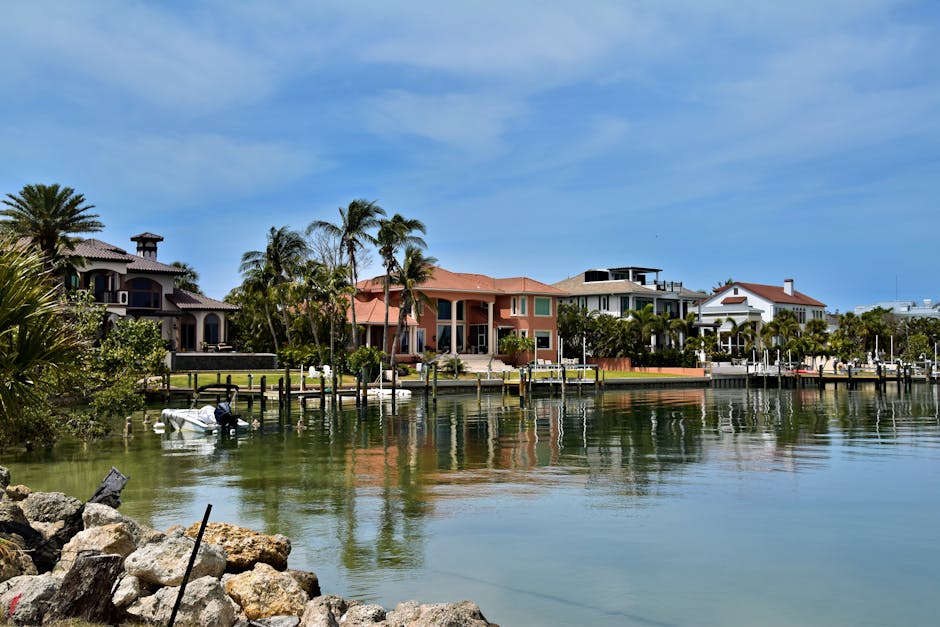
The Evolution of the Tampa Waterfront as a Primary Market
For decades, the Gulf Coast was often viewed through the lens of seasonal occupancy. However, recent shifts in buyer behavior have solidified the region as a year-round hub for capital and commerce. According to recent analysis from The National Law Review, Tampa Bay’s waterfront is no longer just a secondary retreat; it is emerging as a primary market where long-term residents are prioritizing larger footprints and sophisticated infrastructure over simple vacation amenities. This transition is driving a new standard for architectural resilience and smart-home integration, reflecting a sophisticated buyer pool that views their residence as both a sanctuary and a stable asset.
This shift is particularly evident in neighborhoods like Davis Islands and the more secluded stretches along the Westshore corridor. High-net-worth individuals are moving away from traditional urban density in favor of properties that offer both privacy and immediate deep-water access. The current inventory reflects this demand for exclusivity, with active luxury listings currently hovering around 120 units. Buyers are no longer settling for ‘good enough’ locations; they are seeking legacy properties that can withstand environmental changes while providing the lifestyle consistency required for primary residency.
From a valuation perspective, the data suggests a market that is pricing in its own maturation. With a median list price in the luxury segment now sitting at approximately $2,499,000 and an average reaching toward $3,269,362, the ceiling for Tampa real estate continues to rise. We are seeing significant interest in high-acreage estates such as those on Memorial Highway, which recently saw listings reach the $3,800,000 mark. These price points indicate a decoupling from broader regional trends, as the local luxury tier operates on its own set of supply-and-demand fundamentals driven by domestic migration and corporate relocations.
The Definition of Luxury in St. Petersburg and the Urban Core
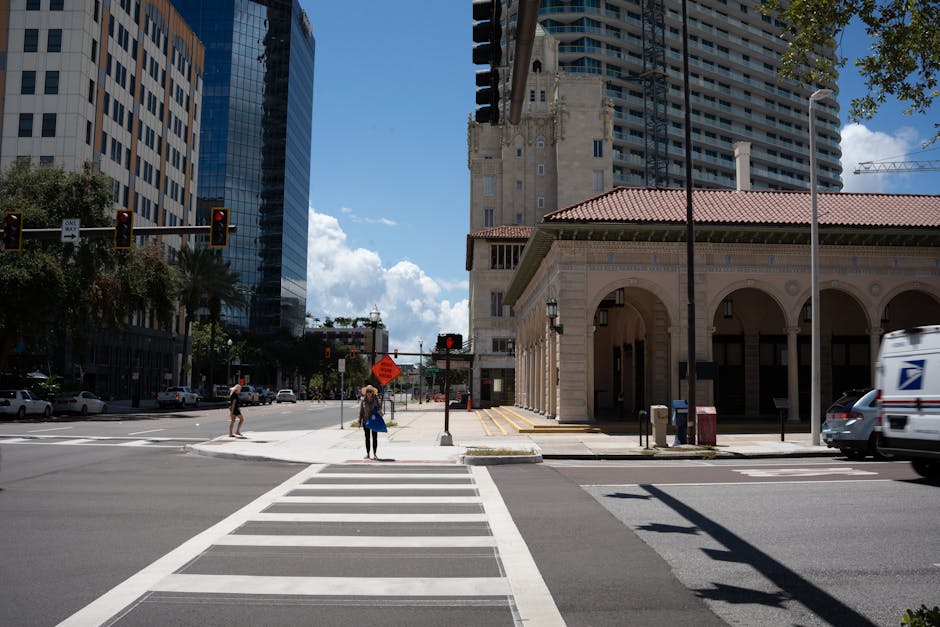
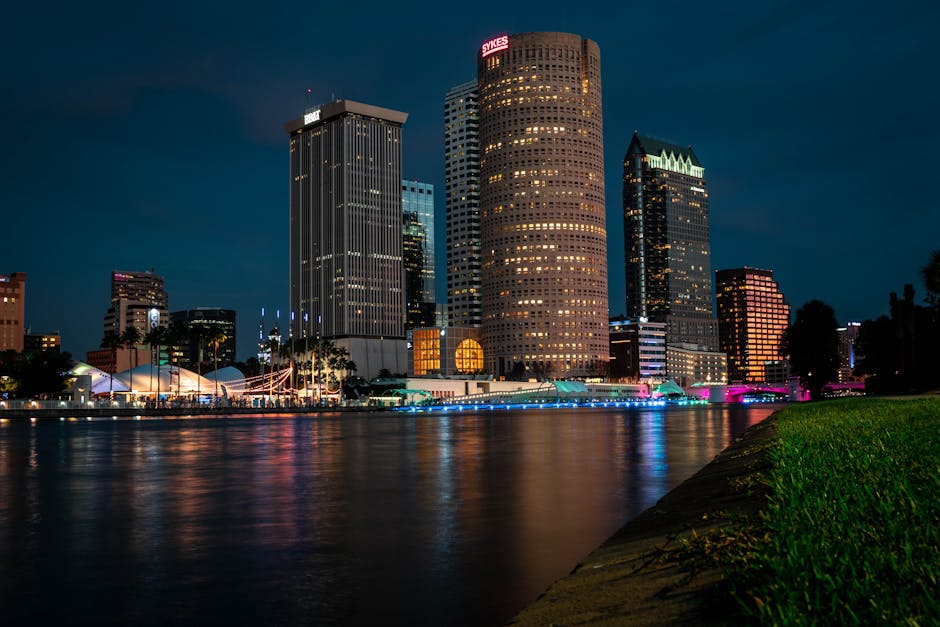
While the waterfront remains the crown jewel, the definition of luxury is also shifting within the high-density urban core of Downtown St. Petersburg. As the city evolves, the traditional high-rise model is being challenged by boutique developments that emphasize privacy and high-touch service. As noted by The Business Journals, the luxury condo market in the region is moving toward a more curated experience, focusing on ultra-low density and bespoke finishes rather than mass-market appeal. This trend is mirrored in Tampa’s Water Street development, where integrated wellness and walkability have become the new benchmarks for value.
For the sophisticated buyer, the choice between a sprawling waterfront estate and a highly serviced urban penthouse involves a trade-off between absolute privacy and extreme convenience. In 2026, we are observing a rise in the ‘lock-and-leave’ buyer—individuals who maintain multiple residences and require a property that offers high-level security and maintenance-free living. These buyers are often younger and more tech-focused, looking for LEED-certified buildings and proximity to the cultural centers of both Tampa and St. Petersburg. The market is adapting to these needs by introducing residential products that bridge the gap between five-star hotels and private homes.
The current market movement also suggests that St. Petersburg is no longer merely a satellite to Tampa but a primary destination for luxury capital in its own right. The most expensive sales of 2025, as highlighted by the Tampa Bay Times, included record-breaking waterfront acquisitions that signaled a new level of confidence in the Pinellas Peninsula. This cross-bay competition for affluent buyers is healthy, ensuring that developers in both cities continue to innovate in terms of amenities, sustainability, and architectural significance.
Valuation Drivers: Assessing Quality Beyond the Aesthetic
Determining the fair market value of a luxury asset in today’s environment requires an analytical approach that goes beyond square footage and aesthetic finishes. In the current landscape, the intrinsic value of a property is increasingly tied to its lot positioning, seawall integrity, and the quality of its structural envelope. Properties like the $3,000,000 estate on Gardner Road exemplify the trend toward larger, more private parcels that allow for extensive outdoor living spaces and guest quarters. These features have become non-negotiable for buyers who prioritize family multi-generation living and integrated home offices.
Current inventory data shows that while the number of active listings is relatively stable, the days on market for top-tier properties remain low for assets priced correctly. The spread between the median list price and the average list price—a difference of over $770,000—highlights the impact of ultra-high-end sales on the overall market average. When evaluating LISTINGS URL, it is critical to compare apples-to-apples in terms of deep-water access and bridge clearances, as these factors can swing a valuation by several hundred thousand dollars regardless of the interior renovations.
Risk mitigation has also become a central theme in the valuation process. Buyers are looking for properties that have been pre-hardened against coastal elements, including impact-rated windows, elevated mechanical systems, and reinforced foundations. In a market where the average sale often exceeds $3.2 million, the cost of post-purchase retrofitting can be prohibitive. Consequently, homes that already feature these upgrades command a significant premium and move much faster than ‘fixer-upper’ luxury assets that lack the necessary structural documentation.
Strategic Acquisition: The Private Advisor’s Checklist
Navigating a purchase in the upper-tier market requires a level of diligence that transcends the standard inspection process. The goal is to identify hidden liabilities while ensuring the property aligns with long-term capital preservation goals. Before proceeding with a contract on a high-value Tampa asset, consider the following technical and lifestyle variables:
- Verify the remaining lifespan and material composition of all seawalls and private docking facilities.
- Examine the current elevation certificate against 2026 FEMA requirements to project future insurance obligations.
- Audit HOA or condo association reserves to ensure no pending special assessments for structural maintenance.
- Assess the proximity to private aviation hubs like Tampa International or Peter O. Knight for travel efficiency.
- Review the property’s historical utility and drainage performance during peak seasonal rain events.
- Confirm the existence of high-speed fiber-optic infrastructure, which is essential for remote global management.
Each of these points represents a potential pivot in the negotiation process. For instance, a property with a recently replaced seawall can save a buyer six figures in immediate capital expenditure. Conversely, a home in a low-lying area with an outdated elevation profile may present a significant hurdle for future resale. We advise our clients to treat the acquisition process as a due diligence exercise similar to a corporate merger, where transparency and data-backed verification are paramount to a successful outcome.
The Lifecycle of an Early-Stage Luxury Condo Market
Despite the rapid growth seen over the last five years, experts still characterize the Tampa luxury condo segment as being in its early stages compared to established hubs like Miami. As discussed in Tampa Bay Business & Wealth, this ‘early-stage’ status is actually a strategic advantage for current buyers. It suggests that there is still room for significant appreciation as the urban core densifies and more high-end retailers and Michelin-rated restaurants enter the market. The infrastructure is catching up to the residential demand, creating a window for acquisition before the market reaches full maturity.
The development of the Signature Real Estate Team and other high-end groups indicates that the professional landscape is also maturing. Firms are moving away from generalist brokerage models toward specialized advisor teams that understand the nuances of the luxury tier. This professionalization of the industry is a positive signal for out-of-state investors who require a high degree of local expertise and sophisticated market analysis. It ensures that the data being used to drive investment decisions is accurate and reflects the specific realities of the Tampa Bay waterfront.
For those considering a condo acquisition, the focus should be on the developer’s track record and the long-term vision for the surrounding neighborhood. Projects that are integrated into larger master-planned communities tend to offer better price stability than isolated buildings. As we look at the broader trends in Florida Trend, the emphasis on ‘live-work-play’ environments is not just a marketing slogan but a fundamental driver of real estate value. The ability to walk to a premier grocer or a world-class health club directly impacts the desirability and liquidity of a high-end unit.
Infrastructure, Lifestyle, and Local Movement
The livability of a luxury neighborhood is often determined by factors that don’t appear in a listing description, such as traffic patterns and local event frequency. In a growing metropolitan area, logistics are a key part of the lifestyle equation. Local officials often warn of heavy traffic during event-packed weekends, as noted by WTSP, which can impact the accessibility of certain waterfront enclaves. Understanding the flow of the city—knowing when to avoid the Crosstown or the Gandy Bridge—is essential for maintaining the convenience expected at this price point.
Beyond the logistics, the cultural calendar of Tampa Bay has expanded to match the expectations of its new residents. From high-end food festivals to professional sports and performing arts, the region offers a level of engagement that rivals much larger cities. Whether it is family fun in the urban core or exclusive gallery openings, the lifestyle here is increasingly sophisticated. This cultural density is a major factor for buyers who are moving their primary business operations to Florida and want a environment that supports both their professional and social ambitions.
Infrastructure projects, including the expansion of the Riverwalk and the continuous improvement of the Westshore district, are long-term value adds that buyers should monitor. These public investments create a ‘halo effect’ on surrounding private property values. By positioning yourself in a neighborhood with planned infrastructure improvements, you are essentially securing a hedge against market volatility. The goal is to find the intersection where private luxury meets public investment, ensuring that your home remains both a comfortable residence and a high-performing asset for years to come.
Strategic Entry Points in the Current Inventory
For those ready to move forward, the current market offers several distinct entry points depending on your specific goals. If your priority is acreage and privacy, exploring the equestrian and estate-sized lots in the outlying areas of Tampa can provide significant value compared to the tighter waterfront parcels on the islands. On the other hand, if you require the prestige and immediate water access of a premier location, the core waterfront neighborhoods remain the most resilient choice for capital preservation. With 120 luxury options currently available, there is a rare opportunity to be selective and negotiate from a position of data-driven confidence.
Success in this market is reserved for those who move with precision and a clear understanding of the underlying data. Avoid the noise of generic market reports and focus on the neighborhood-level implications of each property. As a senior advisor, my role is to help you filter through the inventory to find the assets that align with your specific risk profile and lifestyle requirements. Whether you are looking at a $2.6 million residence in a quiet enclave or a flagship waterfront estate, the principles of professional real estate acquisition remain the same: verify the structural integrity, analyze the location’s future, and secure a property that offers both utility and long-term value.
The next step in your journey involves more than just a tour; it requires a strategic consultation to refine your search parameters and gain access to the most exclusive opportunities in the region. To explore our current curated selection of estates and penthouses, please browse our latest LISTINGS URL. Once you have identified properties of interest, we invite you to CONTACT URL an advisor for a private briefing and to schedule a confidential property tour tailored to your schedule.
Your next move in Tampa luxury
Get current inventory, pricing guidance, and private-tour support from our brokerage team.
Source highlights
- Downtown St. Pete's definition of luxury condos shifts as the city evolves – The Business Journals
- Tampa Bay’s most expensive luxury home sales of 2025 – Tampa Bay Times
- Tampa Bay’s Waterfront Emerges as a Primary Luxury Real Estate Market – The National Law Review
- Florida Trend Real Estate – Florida Trend
- Why Tampa remains an early-stage luxury condo market – Tampa Bay Business & Wealth
- New Signature Real Estate Team Emerges Across Tampa Bay: The Nick Janovsky Group Launches with Premier Sotheby’s International Realty – citybiz
- Things to do with kids this weekend in Tampa, FL – That's So Tampa
- From Blues to BBQ: Tampa’s can’t-miss events this weekend – WMNF 88.5 FM



