


The Structural Pivot Toward a Primary Luxury Hub
The Tampa Bay luxury landscape has undergone a fundamental transformation, moving away from its historical status as a secondary or seasonal destination. Today, the region is increasingly recognized as a primary market for high-net-worth individuals who prioritize long-term utility alongside capital preservation. This shift is driven by a combination of corporate migrations, significant infrastructure investments, and a maturing cultural scene that supports a year-round executive lifestyle. Buyers are no longer merely looking for a winter retreat; they are seeking residences that function as sophisticated command centers for their professional and personal lives.
Current market data reflects this newfound maturity. With a median list price for luxury properties now holding firm at approximately $2,499,000, the entry point for high-end real estate has reset. This pricing stability suggests that the local market has moved past speculative volatility and into a phase of sustained value. Analytical buyers are observing that the floor for quality assets in areas like South Tampa and Davis Islands has risen, creating a competitive environment where speed and precision in due diligence are paramount. The emergence of Tampa as a primary market is further validated by the National Law Review, which notes the region’s waterfront as a critical driver for permanent relocation.
Understanding this pivot requires a departure from traditional real estate narratives. We are seeing a decrease in the reliance on seasonal inventory fluctuations. Instead, the focus has shifted to property specifications that cater to permanent residency: expansive home offices, advanced climate-controlled storage, and integrated wellness facilities. For the modern advisor, the task is to identify which properties offer the structural integrity and architectural relevance to remain desirable over the next decade. As the inventory count hovers around 120 active luxury units, the selection process must be both rigorous and forward-looking.
The Evolution of High-Rise Living in Tampa and St. Petersburg
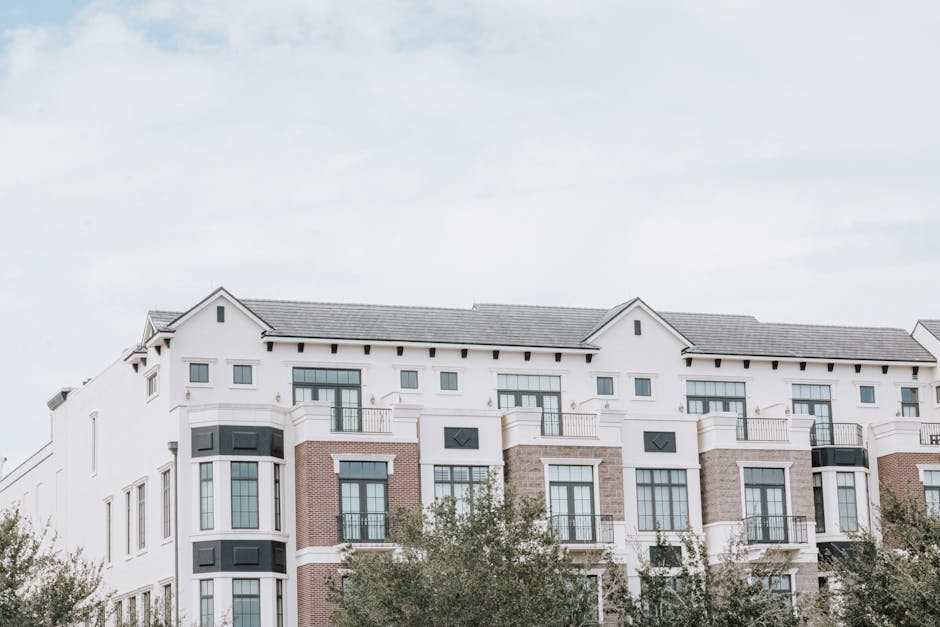
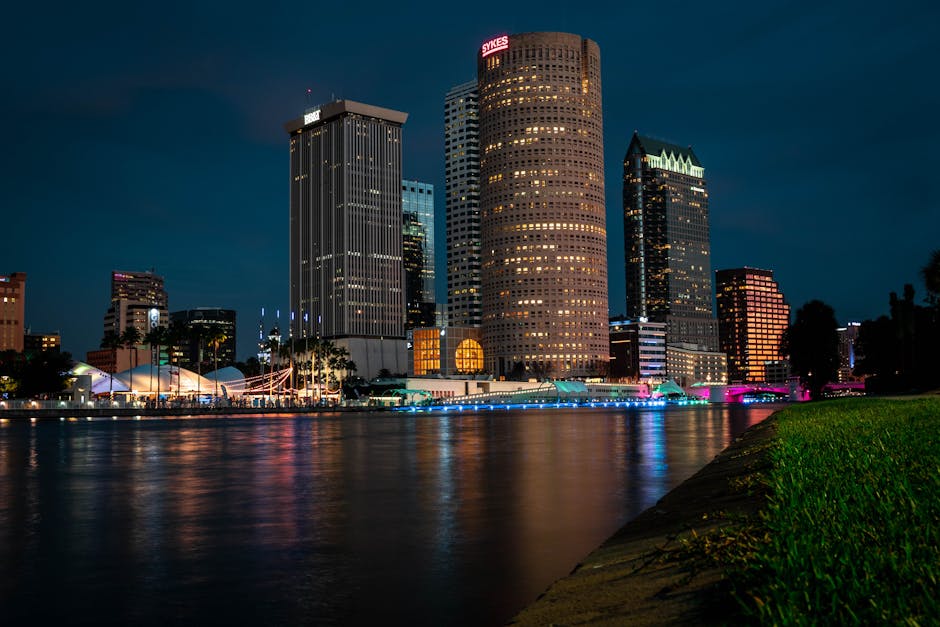
A significant component of the market’s evolution is the rise of the luxury condominium. Historically, Tampa was dominated by single-family estates, but the demand for a managed, vertical lifestyle has reached a tipping point. In Downtown St. Petersburg, the definition of luxury is being rewritten as new developments focus on density paired with high-touch services. This trend is mirrored in Tampa’s Water Street and Bayshore Boulevard corridors, where high-rise living is no longer seen as a compromise but as a strategic choice for those seeking proximity to the city’s commercial core. The transition is noted by The Business Journals, highlighting how St. Pete’s luxury definitions are shifting alongside urban growth.
However, Tampa remains in the early stages of its luxury condo cycle compared to established markets like Miami. This presents a unique window for buyers to secure assets in buildings that are setting the standard for the next generation of urban residency. While traditional waterfront homes remain the gold standard for many, the ‘lock-and-leave’ convenience of a professionally managed building is attracting a younger, more mobile demographic of wealth. To understand the nuances of these developments, one must look beyond the amenities and evaluate the developer’s track record, the building’s long-term maintenance strategy, and its integration into the surrounding neighborhood.
According to Tampa Bay Business & Wealth, the local condo market is characterized by a high barrier to entry and a focus on boutique-scale privacy. This means that while the volume of units may be lower than in other coastal cities, the quality and exclusivity are often higher. For buyers navigating this space, the priority is identifying floor plans that offer genuine residential utility—large outdoor terraces, service entrances, and acoustic privacy—rather than just aesthetic appeal. We encourage clients to browse current listings to compare the varying levels of finish and floor plan efficiency across these new developments.
Inventory Dynamics and the $2.5 Million Median Benchmark
Analyzing the current inventory requires a look at the specific price points defining the market. With an average list price of $3,269,821, the top tier of Tampa real estate is increasingly defined by properties that offer more than just a prestigious location. Buyers are scrutinizing the technical aspects of a home: elevation levels, energy efficiency, and the sophistication of smart-home integration. Properties like the ones found on Troutwater Lane, listed at $2,650,000, or the larger estates on Memorial Highway near $3,800,000, demonstrate the breadth of the current luxury offering, from modern ranch-style homes to expansive waterfront acreage.
The concentration of wealth in specific corridors—notably Davis Islands, Sunset Park, and Beach Park—has created a micro-market where inventory is often moved via private networks before ever reaching the public eye. In this environment, the public inventory of 120 units represents only a portion of the actual activity. For buyers, this means that having a direct line to an advisor with deep local roots is a prerequisite for success. The market is currently seeing a balanced absorption rate, but quality properties in the $2M to $4M range typically receive the most significant interest from primary residents who have already transitioned their businesses to the Florida market.
When evaluating these price points, it is essential to consider the replacement cost of high-end construction in the current economic climate. Many existing properties are trading at a discount to what it would cost to build a comparable home today, given the rise in materials and specialized labor. This makes ‘near-new’ inventory particularly attractive. For those considering land acquisition, such as the parcels available on Gardner Road for $3,000,000, the calculation must include the multi-year timeline required for permitting and construction in Tampa’s most desirable coastal zones. We recommend a thorough consultation to align these timelines with your move-in requirements through our contact portal.
The 2026 Tampa Buyer’s Acquisition Checklist
Securing a high-value asset in a mature market requires a systematic approach to evaluation. Beyond the standard inspections, luxury buyers must assess the long-term viability of the property’s architectural style and its resilience to environmental shifts. The following checklist provides a framework for evaluating potential acquisitions in the current climate:
- Verify the elevation and drainage strategy to ensure compliance with modern insurance standards and long-term protection.
- Assess the architectural relevance: Does the design prioritize natural light and indoor-outdoor flow without sacrificing privacy?
- Evaluate the technology infrastructure, focusing on the ability to upgrade home automation systems as standards evolve.
- Review the surrounding development pipeline to understand how future projects might impact views or neighborhood traffic.
- Confirm the proximity to high-end utility: Access to private aviation, specialized healthcare, and elite educational institutions.
This checklist is designed to strip away the emotional elements of a purchase and focus on the data-backed drivers of value. In a market where the average price exceeds $3.2 million, the cost of an oversight in due diligence is significant. Analytical buyers utilize this framework to compare multiple properties across different neighborhoods, ensuring that their final selection aligns with both their lifestyle needs and their investment criteria. This level of scrutiny is what separates a successful acquisition from a long-term liability.
Waterfront as a Primary Asset Class
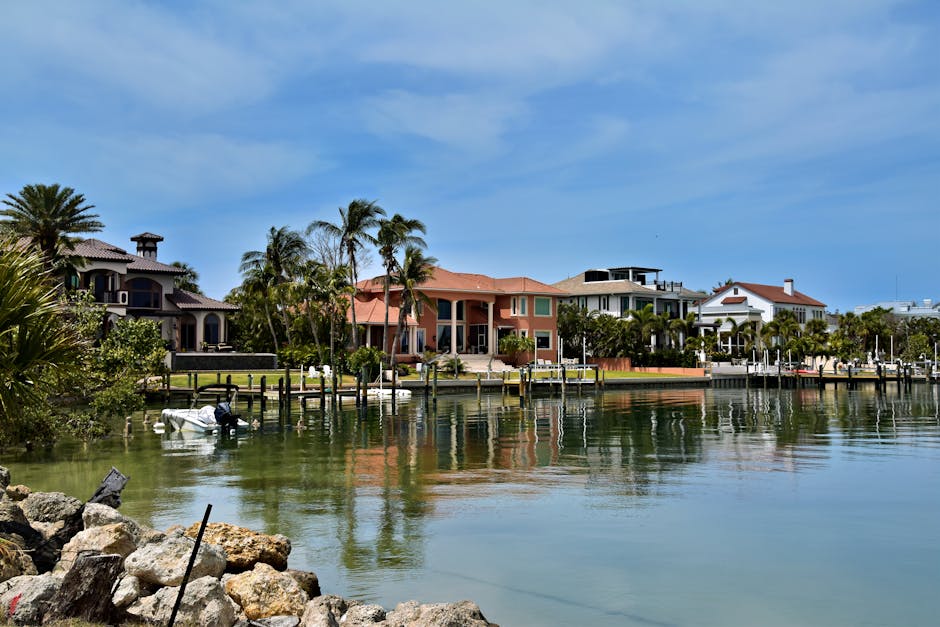
Waterfront property in Tampa has transitioned from a recreational luxury to a primary asset class. This is not just about the view; it is about the limited supply of buildable land in a region surrounded by water. As more residents move to Tampa for the long term, the demand for deep-water docks and direct Gulf access has intensified. This trend is reinforced by reports in Florida Trend, which highlight the steady appreciation of coastal assets across the state. In Tampa, the distinction between ‘open bay’ and ‘canal-front’ is reflected in significant price premiums, with open bay views commanding a higher tier of valuation.
However, the definition of waterfront luxury is also expanding to include inland properties that offer unique natural privacy and acreage. We are seeing increased interest in areas that provide a buffer from the urban core while maintaining high-end finishes and security. This diversification of the luxury market allows buyers to choose between the high-energy lifestyle of a coastal estate and the secluded nature of a suburban sanctuary. Regardless of the choice, the focus remains on the quality of the ‘site-specific’ benefits—how the home interacts with its natural environment.
For those focused on the maritime lifestyle, the technical specifications of the dockage and the draft depth of the canal are often more important than the interior square footage of the home. Modern buyers are looking for properties that can accommodate larger vessels, reflecting a trend toward more serious boating and yachting within the Tampa Bay community. Analyzing these technical details requires specialized knowledge of local bathymetry and permitting regulations. A sophisticated advisor will ensure that the maritime capabilities of a property match the buyer’s specific fleet requirements before any contract is signed.
Local Utility and Lifestyle Integration
A luxury home is only as valuable as the lifestyle it enables. In Tampa, this integration is particularly seamless, as the city’s cultural and social calendar continues to expand. From the family-oriented weekend events highlighted by That’s So Tampa to the high-profile events at the urban core, the city offers a level of utility that rivals major metropolitan centers. This year-round activity supports the ‘primary market’ thesis, as residents find they do not need to leave the region to find world-class entertainment, dining, or sports.
The geographic layout of Tampa allows for a varied lifestyle depending on the chosen neighborhood. South Tampa offers proximity to the elite social clubs and boutique shopping of Hyde Park, while Westchase and the surrounding enclaves provide a more traditional neighborhood feel with expansive golf courses and community parks. The decision of where to buy is often a decision of how one wants to spend their Tuesday morning or Saturday afternoon. For many executives, the ability to commute via boat or private vehicle to a downtown office in under 20 minutes is a primary driver of neighborhood selection.
Furthermore, the region’s commitment to major infrastructure projects, such as the redevelopment of the waterfront and the expansion of the international airport, ensures that Tampa’s growth is sustainable. This macro-level stability is a key consideration for buyers who are moving significant capital into the local real estate market. When you choose a home here, you are investing in a city that has a clear vision for its future—one that prioritizes both economic growth and the preservation of its unique coastal character. This balance is what makes Tampa one of the most compelling luxury markets in the country today.
Strategic Acquisition in a Mature Market
Navigating the Tampa luxury market in 2026 requires more than a simple search; it demands a strategic approach grounded in data and local intelligence. With a median list price of $2.5 million and a limited supply of truly exceptional assets, the margin for error is slim. Buyers must be prepared to move decisively when a property meets their criteria, but they must also have the discipline to walk away from assets that do not offer long-term structural or financial value. The current environment favors the patient, informed buyer who views their residence as a foundational component of their wealth strategy.
To succeed, we recommend focusing on properties that demonstrate clear ‘primary’ utility—homes that are built for living, not just for show. This means prioritizing floor plans that offer flexibility for remote work, multi-generational living, and private security. As the market continues to mature, these functional attributes will increasingly drive resale value. Whether you are seeking a modern high-rise in the city center or a sprawling waterfront estate in one of Tampa’s historic neighborhoods, the objective remains the same: finding an asset that reflects your standards and supports your long-term goals. We invite you to explore our curated selection of properties and connect with a senior advisor to discuss your specific requirements and begin your acquisition journey.
The Tampa luxury market has moved beyond the hype, establishing itself as a sophisticated, data-driven environment for discerning buyers. To gain a competitive advantage in this landscape, one must look past the aesthetic and analyze the underlying value drivers of each neighborhood and property type. We encourage you to browse our latest listings and reach out to our team to schedule a private consultation where we can provide the neighborhood-level implications and practical takeaways necessary for a successful acquisition.
Your next move in Tampa luxury
Get current inventory, pricing guidance, and private-tour support from our brokerage team.
Source highlights
- Downtown St. Pete's definition of luxury condos shifts as the city evolves – The Business Journals
- Tampa Bay’s most expensive luxury home sales of 2025 – Tampa Bay Times
- Tampa Bay’s Waterfront Emerges as a Primary Luxury Real Estate Market – The National Law Review
- Florida Trend Real Estate – Florida Trend
- Sarasota developer proposes 300 single-family homes in Lakewood Ranch – The Business Journals
- Why Tampa remains an early-stage luxury condo market – Tampa Bay Business & Wealth
- Things to do with kids this weekend in Tampa, FL – That's So Tampa
- WWE announces Memorial Day weekend takeover in Tampa – WWE



