


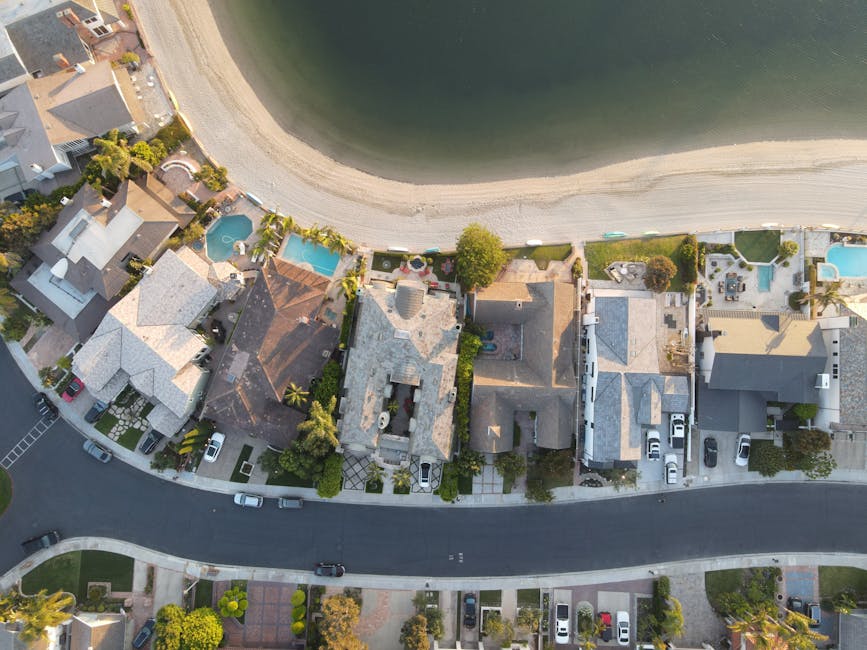
The Transition from Seasonal Retreat to Primary Global Hub
The Tampa luxury real estate market has historically been viewed through the lens of seasonal occupancy. However, as we move through 2026, the data indicates a permanent shift toward primary residency. This evolution is driven by significant infrastructure improvements and the relocation of executive-level talent from traditional financial centers. High-net-worth buyers are no longer seeking just a winter escape; they are investing in permanent estates that offer the same level of architectural sophistication and technological integration found in major global metropolitan areas. The current inventory reflects this maturity, with approximately 120 active luxury units currently positioned to meet this sophisticated demand.
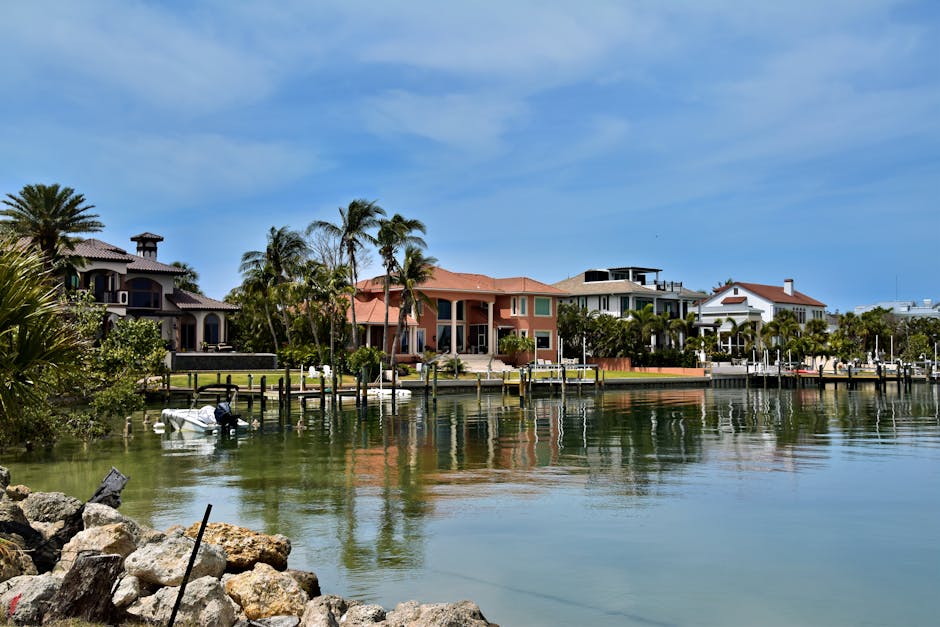
As of mid-2026, the median list price for luxury assets in the region stands at $2,499,000, while the average price has climbed to $3,275,412. This pricing stability is supported by a buyer pool that prioritizes long-term value over speculative gains. We are seeing a marked preference for properties that facilitate a seamless transition between professional and private life, including integrated home office suites and advanced security protocols. This structural shift is fundamental to understanding why the region has remained resilient even as other secondary markets experience volatility. Buyers are now looking at Tampa as a destination for capital preservation as much as personal enjoyment.
The inventory composition has also shifted to accommodate this new demographic. While traditional Mediterranean-style estates remain a staple in neighborhoods like Culbreath Isles, there is a growing appetite for modern organic architecture that emphasizes indoor-outdoor fluidity. Properties like the $2,650,000 listing on Troutwater Lane exemplify this trend, blending high-end finishes with a layout designed for year-round entertaining. This movement toward permanent residency is not a temporary spike but a fundamental realignment of how affluent individuals view the Florida Gulf Coast.
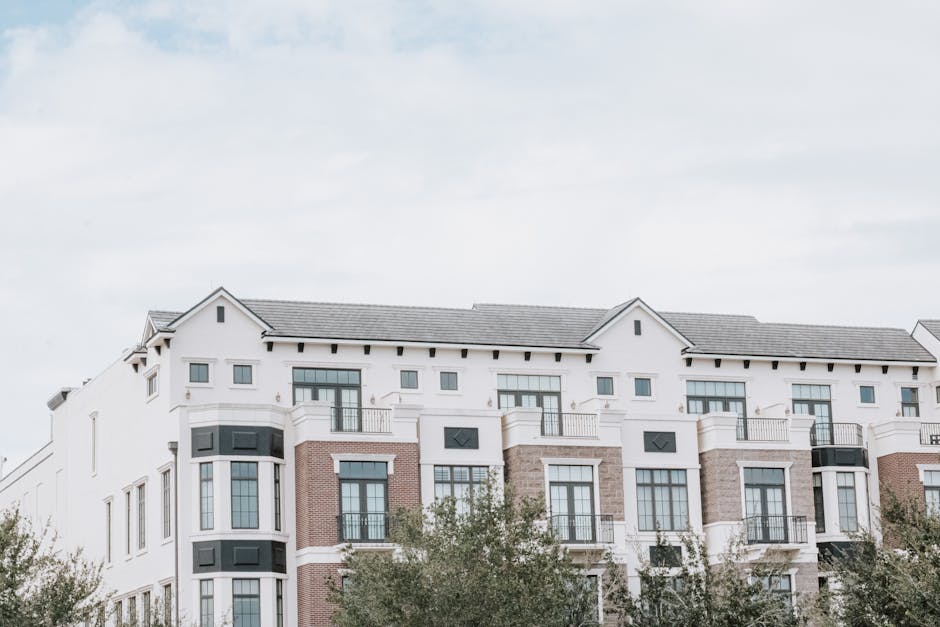
Waterfront Logic: Why Shoreline Assets Are Redefining Value
The waterfront has always been the premier segment of the Tampa market, but the rationale behind these acquisitions is evolving. According to recent reports by The National Law Review, Tampa Bay’s waterfront has emerged as a primary luxury market where land value is increasingly decoupled from the existing structure. Buyers are often acquiring older shoreline properties specifically for the acreage, recognizing that limited inventory and high demand for deep-water access create a significant floor for valuation. This is particularly evident along the Memorial Highway corridor, where waterfront parcels are fetching upwards of $3,800,000 for their proximity to both the bay and international travel hubs.
Sophisticated buyers are now evaluating waterfront assets based on environmental resilience and riparian rights rather than just the view. The focus has shifted to the engineering behind seawalls, the elevation of the first living floor, and the long-term viability of private dockage. This analytical approach ensures that the asset remains a liquid investment in the decades to come. Waterfront properties in South Tampa and Davis Islands continue to set the pace for the market, as these locations offer the rarest combination of boating access and proximity to the city’s evolving financial core. The scarcity of these lots ensures that even as broader market cycles fluctuate, the highest tier of waterfront inventory remains insulated.
Furthermore, the emergence of the Waterfront as a primary market has led to a new standard of construction. We are seeing a surge in specialized builders who focus exclusively on the unique requirements of shoreline architecture. This includes the use of hurricane-rated glazing, salt-resistant materials, and sophisticated drainage systems that were once reserved for commercial applications. For the buyer, this means that contemporary waterfront homes are as much a triumph of engineering as they are of design, providing a level of security that was previously difficult to find in coastal properties.
Urban Density vs. Suburban Privacy: The St. Petersburg Influence
The relationship between Tampa and St. Petersburg has entered a new phase of synergy. While Tampa provides the traditional estate atmosphere, St. Petersburg is redefining what urban luxury looks like through high-density vertical developments. As noted by The Business Journals, the definition of luxury condos in Downtown St. Pete is shifting as the city evolves, attracting a demographic that values walkability and cultural proximity over acreage. This urban density provides a counterpoint to the expansive privacy found in neighborhoods like Avila or the Gardner Road corridor, where properties like the $3,000,000 estate at 7705 Gardner Road offer seclusion that urban towers cannot match.
Deciding between these two environments requires a clear understanding of your long-term daily requirements. The urban core offers immediate access to the region’s top culinary and artistic venues, making it ideal for those who prefer a high-engagement environment. Conversely, the established luxury enclaves of Tampa offer a level of privacy and historical prestige that many legacy buyers prioritize. We are seeing an increasing number of families maintain a primary residence in South Tampa for its proximity to top-tier educational institutions, while keeping a secondary pied-à-terre in St. Petersburg to enjoy the weekend festivities and festivals that define the local culture.
This dual-market dynamic is unique to the Tampa Bay region and provides a level of choice that few other Florida markets can replicate. Whether you are looking for a penthouse with panoramic views of the Gulf or a sprawling land-sale opportunity for a custom-built compound, the region offers the diversity required for complex portfolio management. Investors should monitor how these two hubs continue to integrate, as the expansion of transportation links and shared business interests will likely drive appreciation across both segments in the coming years.
Analytical Checklist: Evaluating High-Value Property in 2026
To navigate the current market with precision, buyers must look beyond aesthetic appeal and evaluate the underlying fundamentals of each asset. The following checklist represents the core criteria our advisors use to assess the viability of a luxury acquisition in the current environment. Prioritize these factors to ensure your investment aligns with both your lifestyle needs and your financial objectives.
- Verify riparian rights and seawall structural integrity for all waterfront assets.
- Assess the proximity to the evolving St. Petersburg and Tampa urban financial cores.
- Evaluate private school accessibility and commute times within South Tampa neighborhoods.
- Review structural mitigation and flood-proofing measures for new construction near the bay.
- Compare price-per-square-foot metrics against 2025 benchmark sales in the immediate vicinity.
- Confirm the status of local utility and fiber-optic infrastructure for remote-work capabilities.
By utilizing this checklist, buyers can move from an emotional reaction to an analytical decision. The luxury market in 2026 demands a higher level of due diligence, as the complexity of building codes and the nuances of neighborhood zoning can have a profound impact on future resale value. Our team focuses on these technical details to ensure that every recommendation is backed by empirical data rather than market hype.
Inventory Dynamics and Pricing Resilience in Core Neighborhoods
Understanding the current inventory levels is critical for timing an acquisition. With 120 luxury properties currently on the market, there is a healthy balance between buyer choice and seller leverage. This equilibrium has prevented the rapid price fluctuations seen in other Florida markets, creating a more predictable environment for high-net-worth individuals. Core neighborhoods such as Beach Park, Sunset Park, and Hyde Park continue to demonstrate the highest levels of pricing resilience, as their established reputations and limited expansion opportunities create a permanent supply constraint.
We are observing a trend where properties that are ‘turnkey’—fully renovated with high-end designer finishes—are commanding a significant premium. The cost and timeline of contemporary construction have made pre-finished homes more attractive than renovation projects for many buyers. This is particularly true for properties in the $2,500,000 to $4,000,000 range, where the buyer expects immediate move-in readiness. Analyzing Florida Trend Real Estate data shows that the velocity of sales for these modernized assets remains higher than the market average, indicating that buyers are willing to pay for the convenience of modern infrastructure.
For those looking at land or commercial sale opportunities, the market remains active but requires a more nuanced approach. Land value in prime areas has stayed robust, reflecting the long-term confidence that developers have in the region’s growth. Whether you are looking at a private residence or a larger land parcel for development, the underlying theme is one of stability. The Tampa market has matured beyond the boom-and-bust cycles of the past, evolving into a sophisticated arena where quality and location are the primary drivers of value.
The Impact of Institutional Development on Long-Term Appreciation
The long-term outlook for Tampa luxury real estate is intrinsically linked to the massive institutional developments currently reshaping the skyline. As detailed by Tampa Bay Business & Wealth, the developments shaping the region in 2026 are bringing a new level of retail, hospitality, and corporate infrastructure to the urban core. These projects do more than just add aesthetic value; they create the economic engine that supports the high-end residential market. The influx of Fortune 500 companies and professional services firms ensures a steady stream of high-income buyers, which is the most reliable predictor of long-term appreciation.
Furthermore, the entry of major international real estate brands into the local market signals a high degree of confidence in the region’s future. The recent emergence of specialized teams, such as the Nick Janovsky Group with Premier Sotheby’s International Realty, highlights the demand for high-level advisory services that can navigate these complex transactions. This professionalization of the local real estate industry mirrors the growth of the market itself, providing buyers with the sophisticated representation required for multi-million dollar acquisitions. Institutional investment acts as a catalyst, transforming neighborhoods and elevating the overall standard of living for all residents.
When evaluating a property, it is essential to consider its proximity to these major development hubs. While privacy is paramount, being within a short drive of the region’s new dining, shopping, and business districts adds a layer of convenience that modern buyers demand. The integration of these master-planned developments into the existing fabric of Tampa ensures that the city remains a competitive alternative to other major Florida hubs like Miami or Palm Beach. This ongoing investment is the foundation upon which the 2026 luxury market is built, providing a clear path for future growth.
Strategic Acquisition in an Evolving Market
Navigating the Tampa luxury market in 2026 requires more than just a search for the right square footage; it requires a strategic partner who understands the neighborhood-level implications of a rapidly evolving region. Whether you are prioritizing the deep-water access of a Davis Islands estate or the secluded acreage of an inland compound, the decision should be guided by data, local context, and a clear understanding of your long-term goals. The current inventory offers a rare window of opportunity to acquire prime assets before the next phase of institutional growth further constrains supply. As you evaluate your next move, consider the balance of environmental resilience, architectural integrity, and proximity to the region’s growing financial centers.
The transition toward primary residency has created a more stable and sophisticated market, but it has also increased the complexity of each transaction. From verifying riparian rights to understanding the impact of new zoning regulations, the role of a private advisor has never been more critical. We invite you to browse our curated collection of listings to see the current state of luxury inventory in the region. When you are ready for a confidential discussion about your specific requirements and how we can assist in your capital allocation strategy, please contact our advisory team for a private consultation. Success in this market is found through precision, patience, and the right local intelligence.
Your next move in Tampa luxury
Get current inventory, pricing guidance, and private-tour support from our brokerage team.
Source highlights
- Downtown St. Pete's definition of luxury condos shifts as the city evolves – The Business Journals
- Tampa Bay’s most expensive luxury home sales of 2025 – Tampa Bay Times
- Tampa Bay’s Waterfront Emerges as a Primary Luxury Real Estate Market – The National Law Review
- Florida Trend Real Estate – Florida Trend
- The real estate developments shaping Tampa Bay in 2026 – Tampa Bay Business & Wealth
- New Signature Real Estate Team Emerges Across Tampa Bay: The Nick Janovsky Group Launches with Premier Sotheby’s International Realty – citybiz
- Things to do with kids this weekend in Tampa, FL – That's So Tampa
- Things To Do In St Pete This Weekend: Best Festivals & Events Going On In St Petersburg – I Love the Burg



