


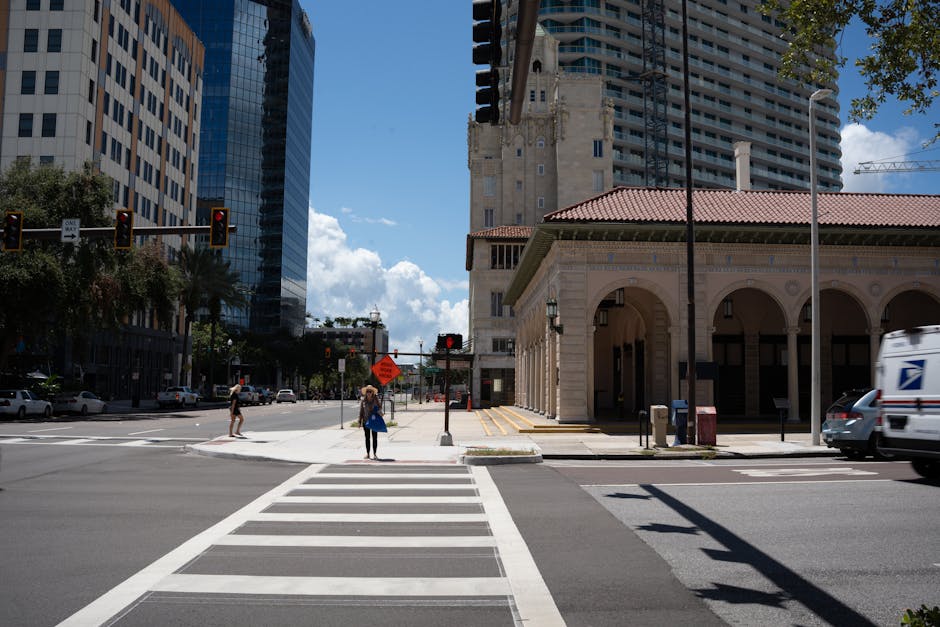
The Maturation of the Tampa Luxury Sector
The Tampa Bay region has transitioned from a seasonal secondary market into a primary destination for global capital. As we move through the second quarter of 2026, the landscape is defined by a flight to quality. While previous cycles were driven by opportunistic speculation, current activity is anchored by long-term wealth preservation. Buyers are no longer looking for temporary escapes; they are acquiring permanent assets that reflect a sophisticated, metropolitan lifestyle. This shift is evident in the record-setting transactions witnessed over the past eighteen months, where architectural significance and technological integration have become non-negotiable standards.
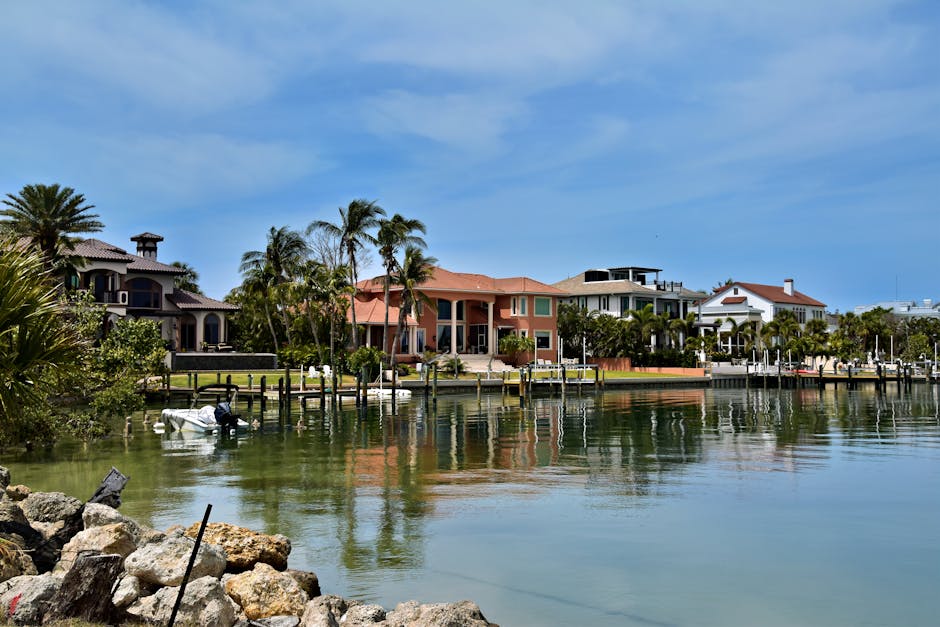
Understanding this evolution requires a look at the inventory data. Currently, the market holds 120 active luxury listings, a figure that suggests a disciplined supply-demand equilibrium. With a median list price of $2,499,000 and an average reaching toward $3,275,412, the entry point for premium real estate has recalibrated. This is not merely a reflection of inflation, but a testament to the increased caliber of construction and the expansion of high-end amenities across the region. Investors and families alike are focusing on areas that offer both privacy and proximity to the city’s burgeoning commercial hubs.
The emergence of Tampa as a primary luxury market has been documented by legal and financial analysts who recognize the state’s favorable tax climate and the city’s infrastructure investment. According to a recent analysis by The National Law Review, the waterfront sector in particular has seen a surge in institutional-grade residential acquisitions. This trend highlights a fundamental change in buyer behavior: a preference for established, resilient locations that provide a hedge against broader economic volatility. For the private advisor, the task is no longer just finding a property, but identifying a legacy asset.
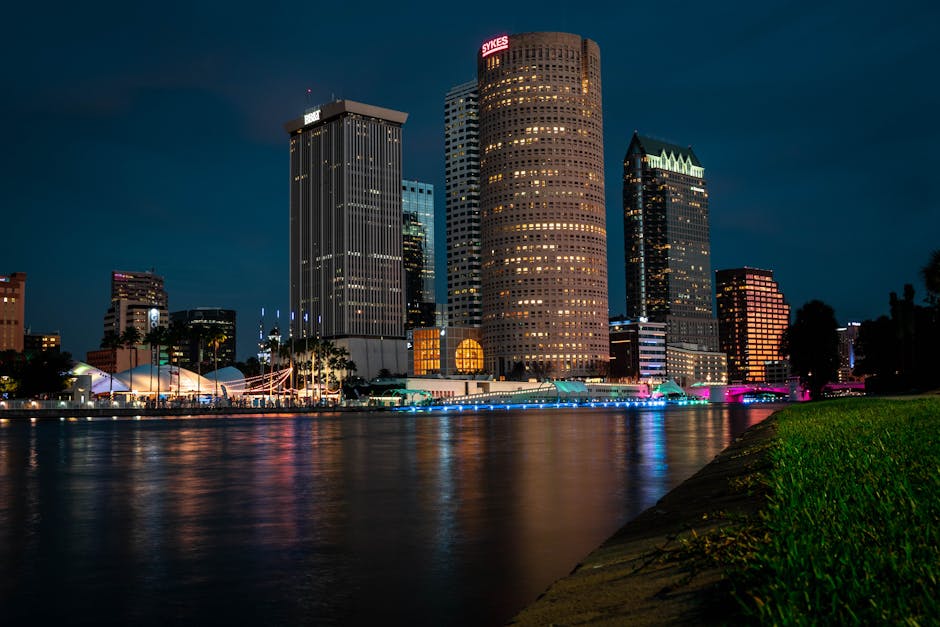
Waterfront Valuation and the Primary Market Shift
Waterfront living in Tampa has undergone a radical transformation. Traditional coastal estates in areas like Beach Park and Culbreath Isles are now being compared to the high-density luxury developments of Water Street and the Downtown St. Petersburg skyline. This diversification of the “waterfront” definition allows buyers to choose between the horizontal sprawl of a private peninsula and the vertical convenience of a full-service penthouse. Each carries its own valuation metrics, but the underlying driver remains the same: the scarcity of unobstructed views and direct deep-water access.
In St. Petersburg, the definition of luxury is shifting as the city’s core evolves. As reported by The Business Journals, the influx of high-rise inventory is catering to a demographic that values walkability and concierge services over the maintenance demands of a single-family home. This vertical migration is creating a tiered market where the choice between a condo and a traditional estate is determined more by lifestyle logistics than price point. In Tampa, the Bayshore Boulevard corridor continues to command a premium, serving as the benchmark for prestige and enduring value.
For those navigating this space, the distinction between bayfront and canal-front properties is critical. While open bay views offer prestige, protected canals provide the functionality required by serious yacht owners. Buyers are increasingly scrutinizing seawall integrity and elevation heights, moving beyond aesthetics to functional longevity. This analytical approach is necessary when evaluating current offerings, such as the $3,800,000 listing on Memorial Highway, where the site’s elevation and water frontage provide a distinct competitive advantage in the long-term market.
Neighborhood Dynamics: Hyde Park to South Tampa
The core of South Tampa remains the epicenter of residential demand. Hyde Park, with its historic charm and proximity to high-end retail, continues to attract buyers who prioritize social connectivity. The architectural diversity here—ranging from meticulously restored 1920s bungalows to modern custom builds—requires a nuanced understanding of local zoning and historic preservation guidelines. Success in this neighborhood depends on identifying properties that have successfully integrated modern smart-home technology without compromising their original character.
Further south, neighborhoods like Palma Ceia and Golfview offer a different value proposition. Here, the focus is on larger lot sizes and the quietude of canopy-lined streets. The market movement in these areas is often driven by internal relocation; families moving within South Tampa to secure more square footage or better proximity to specific private academies. This localized demand creates a resilient micro-market that often operates independently of national real estate trends. It is a market where off-market opportunities frequently arise through established professional networks.
When assessing these areas, it is vital to monitor the most expensive sales as a barometer for neighborhood ceilings. Insights from the Tampa Bay Times regarding 2025’s top transactions show that the highest premiums are consistently paid for properties that offer a combination of lot size, privacy, and turnkey finishes. Whether it is a $3,000,000 estate on Gardner Road or a modern masterpiece in the South Tampa core, the market reward for move-in-ready excellence has never been higher. Buyers are increasingly unwilling to manage multi-year renovations, placing a significant premium on new or recently updated assets.
Strategic Considerations for the 2026 Buyer
Acquiring a high-value property in the current environment requires more than just a search of the MLS. It demands a strategic approach to due diligence and a clear understanding of the trade-offs between different property types and locations. As an advisor, the goal is to filter out the noise of the broader market and focus on the specific attributes that drive long-term appreciation and utility. The following checklist outlines the essential factors that should be verified before any premium acquisition in the Tampa Bay area.
- Verification of seawall age, construction material, and current elevation relative to 2026 standards.
- Analysis of recent comparable sales within a 1.5-mile radius, specifically focusing on price-per-square-foot for land vs. improvements.
- Assessment of smart-home infrastructure, ensuring the property uses open-protocol systems that can be updated as technology evolves.
- Review of neighborhood-specific drainage and infrastructure projects planned by the city for the next five years.
- Evaluation of the floor plan for multi-generational utility or long-term flexibility as a primary residence.
- Comparison of homeowners’ association (HOA) or master-planned community fees against the actual services and reserve fund health.
By focusing on these practical takeaways, a buyer can move from an emotional reaction to an analytical decision. The current inventory of 120 homes offers a diverse range of styles, but only a fraction will meet the stringent criteria of a true luxury asset. It is the role of the advisor to identify these outliers and negotiate from a position of data-backed confidence. Whether you are looking at Troutwater Lane or a high-rise on the Hillsborough River, these principles of verification remain constant.
Infrastructure and Development: The Growth Engine
The sustained value of Tampa real estate is inextricably linked to the city’s infrastructure and commercial development. Water Street Tampa, now in its later phases, has redefined the urban core, creating a blueprint for wellness-focused city living. This massive investment has a ripple effect, increasing property values in adjacent neighborhoods and attracting a new tier of corporate residents. The ongoing evolution of the Westshore District and the redevelopment of the Tropicana Field site in St. Petersburg further solidify the region’s status as a top-tier metropolitan area.
According to Tampa Bay Business & Wealth, the projects shaping the region this year focus on mixed-use density and enhanced transit options. For the luxury homeowner, this means better access to high-end dining, cultural venues, and professional services without the need for extensive travel. The city’s commitment to improving the urban canopy and expanding public parks also contributes to the overall quality of life, a factor that is increasingly prioritized by affluent buyers when selecting a permanent home base.
The logistical health of the city is also a key consideration. High-net-worth individuals value their time, and the ease of navigation within a city is a significant lifestyle metric. Recent reports from wtsp.com highlight how the city manages heavy traffic during event-packed weekends, showcasing a mature infrastructure capable of handling growth. This operational efficiency supports the long-term desirability of the downtown and South Tampa areas, ensuring that the convenience of urban living is not overshadowed by the friction of growth.
The Intersection of Lifestyle and Investment
Luxury real estate in Tampa is as much about the lifestyle it affords as it is about the financial returns. The region’s cultural calendar, from world-class concerts to professional sports and local festivals, provides a rich backdrop for residents. This weekend alone, the city is hosting a variety of events, including family-focused activities and major spectacles that draw visitors from across the country. This consistent activity level keeps the city “alive” and ensures that the local economy remains robust, providing a stable environment for real estate investment.
For those looking to enter or expand their position in this market, the current climate offers a window of opportunity. While the median prices are high, they are supported by a genuine increase in the quality of life and the city’s economic foundation. The move toward primary residency means that the community is more invested and the neighborhoods are more stable. It is a sophisticated market that rewards those who take the time to understand the nuances of each street and the long-term vision of the city’s leadership.
To navigate this landscape effectively, you require an advisor who views the market through an analytical lens and prioritizes your long-term objectives. Whether you are seeking a modern waterfront estate or a historic residence in Hyde Park, the path to a successful acquisition is paved with data and local insight. We invite you to explore our curated selection of properties and experience a more refined approach to real estate. To begin your search, browse our current listings or contact a private advisor today for a confidential consultation.
Your next move in Tampa luxury
Get current inventory, pricing guidance, and private-tour support from our brokerage team.
Source highlights
- Downtown St. Pete's definition of luxury condos shifts as the city evolves – The Business Journals
- Tampa Bay’s most expensive luxury home sales of 2025 – Tampa Bay Times
- Tampa Bay’s Waterfront Emerges as a Primary Luxury Real Estate Market – The National Law Review
- Florida Trend Real Estate – Florida Trend
- The real estate developments shaping Tampa Bay in 2026 – Tampa Bay Business & Wealth
- New Signature Real Estate Team Emerges Across Tampa Bay: The Nick Janovsky Group Launches with Premier Sotheby’s International Realty – citybiz
- Things to do with kids this weekend in Tampa, FL – That's So Tampa
- Things To Do In St Pete This Weekend: Best Festivals & Events Going On In St Petersburg – I Love the Burg



