


Navigating the Divergence in Tampa Luxury Markets
The 2026 real estate landscape in Tampa presents a compelling case study in market decoupling. While many metropolitan areas across the United States have faced significant headwinds due to fluctuating interest rates and macroeconomic uncertainty, the Tampa Bay luxury sector has demonstrated remarkable resilience. This stability is not merely a byproduct of general Florida demand but a result of a fundamental shift in how affluent buyers perceive the region. Tampa has transitioned from a high-growth ‘value’ alternative to a primary destination for wealth preservation and lifestyle integration.
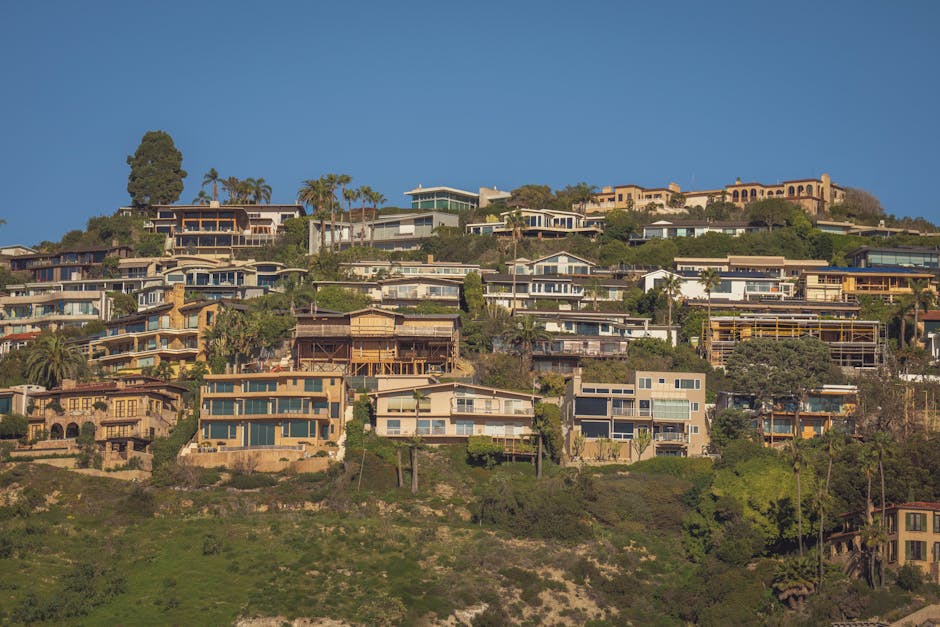
According to recent analysis from The Business Journals, the Tampa Bay market continues to grow stronger despite national declines, bolstered by a steady influx of high-net-worth individuals relocating for both professional opportunities and quality of life. Currently, the market reflects this strength with a median list price of approximately $2,499,000 for luxury inventory. Buyers are no longer just looking for a seasonal escape; they are seeking permanent footprints in neighborhoods that offer both security and cultural density.
For the sophisticated investor, the current snapshot of 120 active luxury listings provides a narrow but high-quality window for acquisition. Average list prices are hovering near $3,275,000, indicating that the top tier of the market is being driven by truly exceptional properties. To navigate this environment, one must look beyond the surface data and understand the specific neighborhood-level movements that are redefining what constitutes a prime asset in the current cycle.
The Emergence of Primary Waterfront Markets
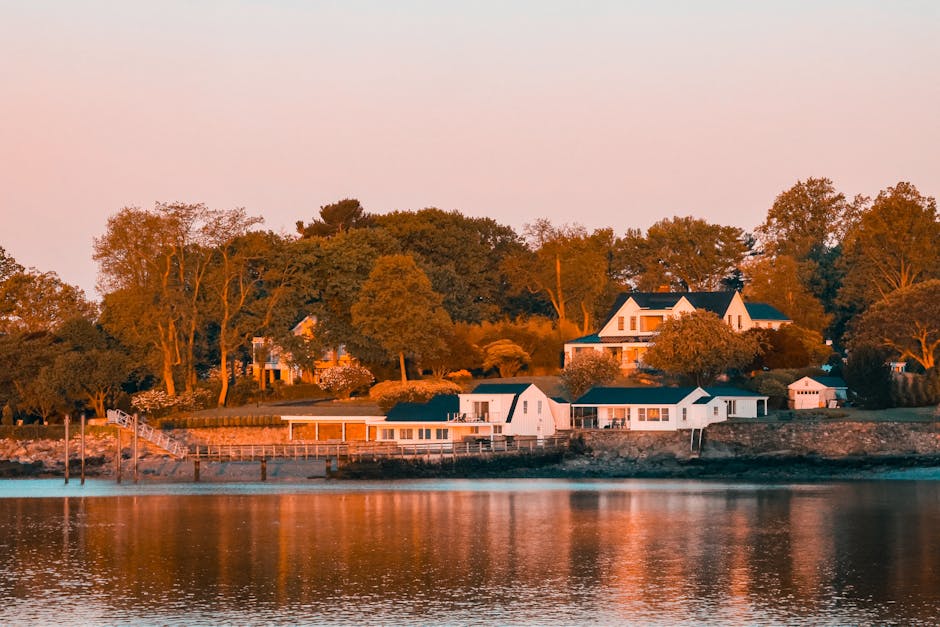
Perhaps the most significant trend in the current market is the evolution of Tampa’s waterfront. Traditionally, waterfront properties were often viewed through the lens of recreation or second-home utility. However, a report by The National Law Review highlights how Tampa’s waterfront has emerged as a primary luxury real estate market. Areas like Davis Islands and Culbreath Isles are seeing a surge in demand for properties that can serve as full-time family estates while offering deep-water access for maritime pursuits.
This shift toward primary residency means that buyers are prioritizing functional space, home offices, and sophisticated security systems over purely aesthetic features. The coastal inventory in South Tampa is increasingly characterized by modern architectural styles that emphasize indoor-outdoor fluidity. Properties such as those found along Troutwater Lane or Memorial Highway are prime examples of the scale and sophistication currently commanded by the market, where privacy and proximity to the urban core are weighed equally.
Navigating these waterfront acquisitions requires a deep understanding of local elevation requirements and maritime zoning. As the market matures, the distinction between a ‘good’ waterfront lot and a ‘superior’ one becomes more pronounced. Investors are focusing on properties with substantial seawall integrity and protected water views, recognizing that these elements are the ultimate safeguards for long-term value appreciation in a coastal environment.
Architectural Integrity and the End of Carbon-Copy Luxury
The era of the ‘spec-home’ aesthetic is rapidly giving way to a demand for bespoke architectural integrity. Today’s buyers are increasingly discerning, moving away from cookie-cutter Mediterranean revivals in favor of homes that reflect personal style and regional context. As noted in Mansion Global, carbon-copy luxury is out, and unique design touches are what truly win over sophisticated home buyers in the current market.
In neighborhoods like Old Northeast or Beach Park, the trend is toward organic modernism or carefully curated transitional designs. These properties utilize high-end materials such as natural stone, precision-milled hardwoods, and industrial-grade glass to create a sense of permanence. The focus has shifted toward the ‘sensory’ experience of the home—how light moves through the space, the acoustics of open-plan living, and the integration of smart-home technology that remains invisible yet highly functional.
Acquiring a property with true architectural merit involves evaluating the pedigree of the builder and the architect. In Tampa, certain firms have established themselves as benchmarks for quality, ensuring that every square foot is optimized for both aesthetics and utility. When reviewing luxury homes for sale, savvy buyers look for these subtle indicators of quality that differentiate a high-end house from a true luxury estate.
Strategic Due Diligence for High-End Acquisitions
Buying in the upper echelons of the Tampa market requires a tactical approach to due diligence that goes beyond the standard home inspection. Because these properties often involve complex systems—from automated climate controls to advanced seawall structures—the verification process must be exhaustive. A senior advisor should facilitate specialized assessments that address the unique challenges of Florida’s coastal climate and high-density luxury zones.
Market movement in 2026 suggests that buyers who conduct the most thorough preliminary research are the ones who secure the most favorable terms. This includes analyzing historical sales data from sources like Florida Trend to understand price-per-square-foot trajectories in specific micro-markets. Understanding the nuances of local tax assessments and insurance requirements is also paramount for a smooth transition into high-end ownership.
- Verify the integrity of all coastal infrastructure, including seawalls and docks, through specialized marine engineering reports.
- Assess the architectural pedigree and builder warranty history for properties constructed within the last five years.
- Review neighborhood-specific development plans to ensure future views and privacy are not compromised by upcoming projects.
- Analyze the energy efficiency and smart-grid compatibility of the home’s mechanical systems.
- Confirm the status of all permits for recent renovations or additions to avoid downstream title issues.
By following a structured verification process, buyers can mitigate the risks associated with high-value transactions. This disciplined approach ensures that the property not only meets the immediate lifestyle needs of the owner but also functions as a stable component of their broader investment portfolio.
Lifestyle Integration and the Urban Core
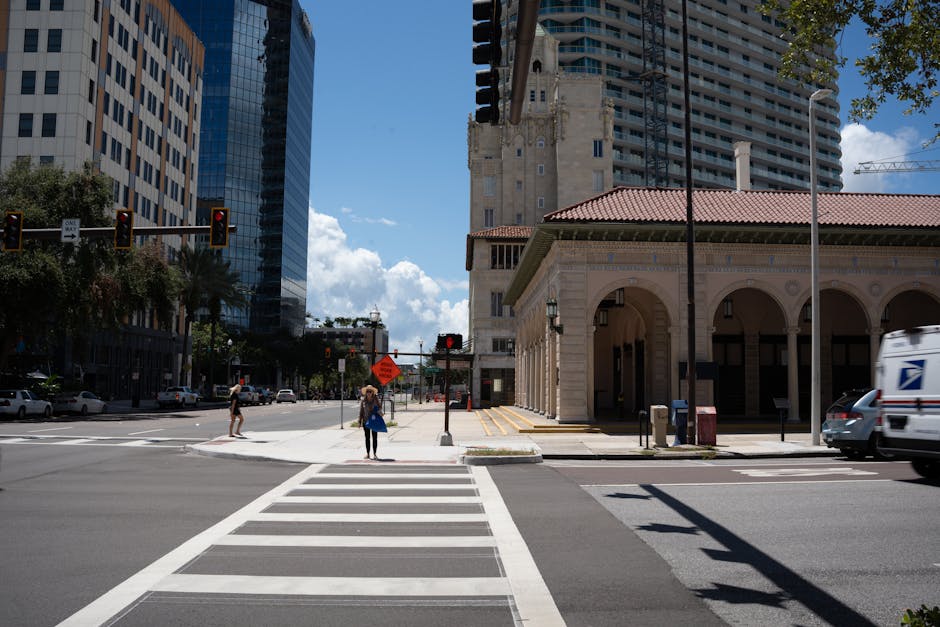
One of the primary drivers of Tampa’s luxury appeal is the seamless integration of high-end residential life with a sophisticated urban core. The development of Water Street and the expansion of the Tampa Riverwalk have created a connectivity that was previously absent. Affluent families are increasingly looking for properties that offer proximity to elite private schools and world-class dining, while still maintaining the seclusion of a traditional estate.
Weekend life in Tampa has also evolved, offering a curated selection of events that cater to a sophisticated audience. Whether it is attending high-profile fundraisers or enjoying family-centric activities in the city’s parks, as noted by That’s So Tampa, there is a constant pulse of activity that makes the city feel alive year-round. This cultural density is a key factor for buyers who are moving from larger markets like New York or Chicago and expect a similar level of lifestyle amenities.
Proximity to these hubs of activity is a major determinant of property value. Homes within a short distance of the Westshore District or downtown Tampa command a premium because they offer the ultimate luxury: time. Being able to access the city’s best offerings without navigating excessive traffic is a priority for the modern executive or business owner residing in the area.
Looking Ahead: The Developments Shaping 2026
As we look toward the remainder of 2026, several key developments are set to further elevate Tampa’s standing on the global stage. From new luxury high-rises to expanded transit options, the infrastructure of the city is keeping pace with the growth of its residential sector. Insights from Tampa Bay Business & Wealth highlight the transformative projects that will define the city’s skyline and economic trajectory in the coming years.
The continued investment in the region’s medical and technology sectors is also a significant factor. As these industries expand, they bring a new wave of professionals who demand high-end housing, further tightening the inventory in prime neighborhoods. This cycle of growth and reinvestment suggests that the Tampa luxury market is not in a bubble but is instead undergoing a structural revaluation that will likely persist for years to come.
For those considering a move or a local upgrade, the window for strategic acquisition remains open, but the competition for ‘best-in-class’ assets is intensifying. Understanding the long-term vision for the city allows buyers to align their real estate holdings with the path of progress, ensuring both lifestyle satisfaction and financial prudence.
The Tampa luxury real estate market requires an advisor who understands the intersection of lifestyle and data. If you are seeking to acquire a property that reflects your standard of living or wish to list an estate that demands a sophisticated marketing approach, our team provides the analytical brief and local expertise necessary for success. We invite you to explore our current listings or contact an advisor today to discuss your specific goals in the current market.
Your next move in Tampa luxury
Get current inventory, pricing guidance, and private-tour support from our brokerage team.
Source highlights
- Tampa Bay’s most expensive luxury home sales of 2025 – Tampa Bay Times
- Tampa Bay luxury market grows stronger despite national declines – The Business Journals
- Tampa Bay’s Waterfront Emerges as a Primary Luxury Real Estate Market – The National Law Review
- Florida Trend Real Estate – Florida Trend
- Carbon-Copy Luxury Is Out. These Are the Design Touches Winning Home Buyers Over. – Mansion Global
- The real estate developments shaping Tampa Bay in 2026 – Tampa Bay Business & Wealth
- Things to do with kids this weekend in Tampa, FL – That's So Tampa
- Things To Do In St Pete This Weekend: Best Festivals & Events Going On In St Petersburg – I Love the Burg



