


The Current State of the Tampa Luxury Inventory
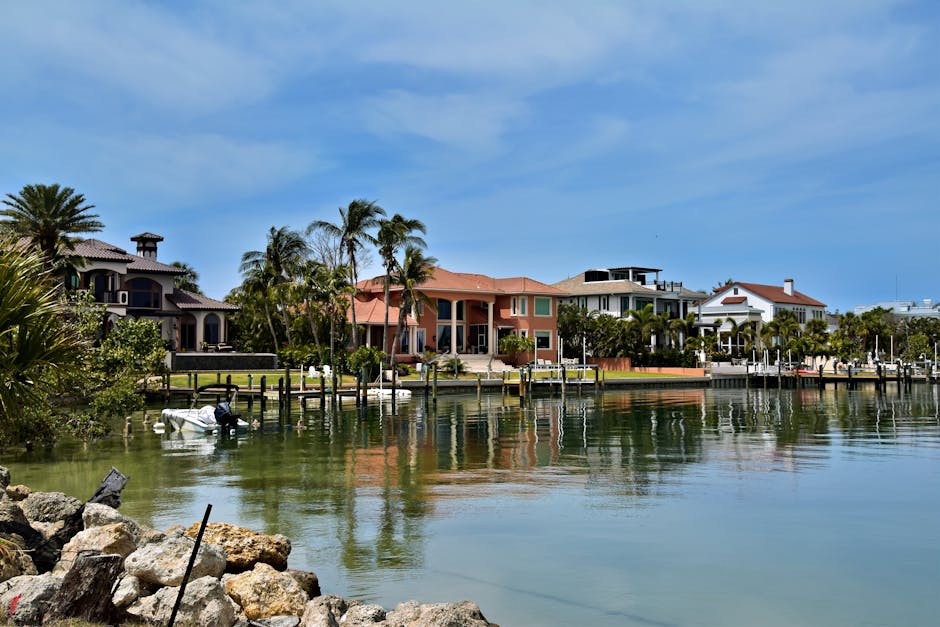
As of mid-April 2026, the Tampa luxury sector maintains a disciplined profile with 120 active high-end listings. The market has moved past the volatile cycles of previous years, settling into a phase where quality of construction and architectural provenance dictate value more than sheer square footage. With a median list price currently holding at $2,498,800, buyers are encountering a market that rewards patience and specific local knowledge. The average list price of $3,269,579 reflects a significant concentration of ultra-premium assets, particularly along the coastal corridors and established inland enclaves where land scarcity remains the primary driver of appreciation.
Sophisticated buyers are increasingly prioritizing decision-useful data over speculative hype. We are seeing a distinct movement in areas like Davis Islands and Bayshore Boulevard, where the inventory is no longer turning over on sentiment alone. Acquisitions are being treated as long-term wealth preservation strategies. Understanding the nuances between a listing like the $2.65 million property on Troutwater Lane versus a $3.8 million estate on Memorial Highway requires an analytical approach to site orientation, seawall integrity, and modern flood mitigation standards. This period marks a return to fundamental value metrics where the entry-level for true luxury starts well above the two-million-dollar mark.
For those monitoring broader regional movements, the Florida Trend Real Estate reports indicate that Tampa continues to lead the state in high-net-worth migration, which sustains this pricing floor despite fluctuating interest rates. The focus has shifted from high-volume transactions to high-quality acquisitions. Advisors now emphasize the importance of identifying properties with resilient infrastructure, as these assets retain their valuation regardless of temporary market headwinds.
Waterfront Dominance and the Premium on Privacy
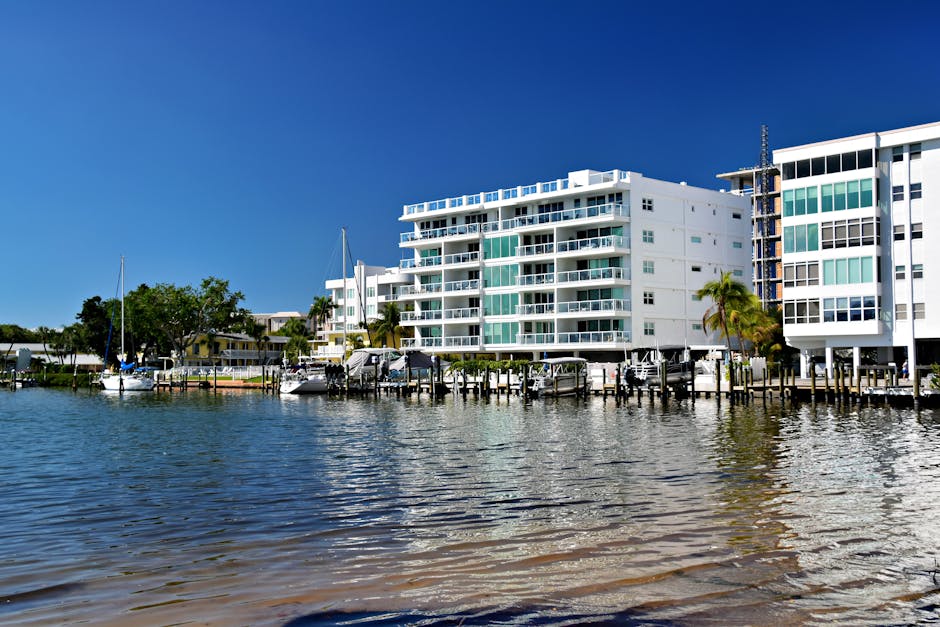
Tampa Bay’s waterfront has transitioned from a seasonal attraction to a primary residence destination for executive leadership and global investors. The National Law Review notes that this emergence as a primary luxury market is driven by institutional-grade infrastructure improvements and the proliferation of private amenities. In neighborhoods like Beach Park and Culbreath Isles, the demand for direct deep-water access remains the highest-performing sub-sector. Privacy is the new currency, with buyers willing to pay a substantial premium for properties that offer gated security, mature landscaping buffers, and intelligent perimeter monitoring.
The behavior of modern buyers in the $3 million plus range, such as those looking at estates on Gardner Road, involves a rigorous assessment of riparian rights and coastal construction lines. It is no longer enough for a home to have a view; it must have the structural engineering to support long-term environmental resilience. Waterfront parcels are increasingly rare, and we are witnessing a trend where older structures are being acquired solely for the land value, followed by the commission of custom-built residences that meet current elevation requirements. This replacement cycle is tightening the supply of move-in-ready waterfront estates, making existing turnkey properties highly competitive.
Furthermore, the integration of private wellness suites and expansive outdoor living environments has become a standard requirement. Buyers are looking for seamless transitions between indoor galleries and terrace spaces. The focus is on creating a residential compound that serves as both a private sanctuary and a sophisticated venue for high-level entertaining. This demand for multifaceted utility is a hallmark of the 2026 buyer, who views the home as a comprehensive lifestyle hub rather than just a residence.
Beyond the Builder Grade: The Rise of Bespoke Architecture
The era of mass-produced high-end finishes is receding. Current trends suggest that buyers are rejecting generic aesthetic choices in favor of bespoke architectural integrity. As highlighted by Mansion Global, “carbon-copy” luxury is being replaced by design touches that reflect personal history and artisanal craftsmanship. This includes custom-milled woodwork, hand-applied plaster finishes, and stone slabs sourced directly from international quarries. In the Tampa market, this translates to a preference for homes that possess a unique identity, often blending Mediterranean revival roots with contemporary glass-and-steel minimalism.
The shift is also evident in the technology stack of these homes. Intelligent automation is no longer an afterthought; it is woven into the structural fabric. From circadian lighting systems that mirror natural daylight cycles to hospital-grade air filtration and sound-dampening insulation, the modern luxury home is a marvel of engineering. Buyers are conducting deeper due diligence on these systems, often requesting technical audits of the smart home infrastructure before proceeding to contract. The goal is to ensure that the technology enhances the living experience without becoming a liability for future maintenance or upgrades.
Kitchen and dining areas are also evolving. We are seeing a move away from the massive singular island toward dual-purpose “dirty kitchens” or preparation sculleries that keep the primary living area pristine. This allows for professional catering access during events while maintaining the home’s aesthetic flow. High-end appliance packages from Sub-Zero, Wolf, and Miele are expected, but the true distinction comes from how these elements are integrated—often hidden behind custom cabinetry to maintain a clean, architectural silhouette. This level of detail is what separates the top-tier inventory from standard luxury developments.
Essential Verification Checklist for High-Value Acquisitions
To ensure a sound investment in the current Tampa climate, buyers must verify several critical components during the due diligence period. The following checklist identifies the most impactful factors for long-term value preservation and operational efficiency.
- Confirm elevation certificates and current flood zone designations to accurately forecast insurance premiums and renovation potential.
- Audit smart home integration systems for compatibility, security protocols, and ease of hardware replacement.
- Review seawall and dock structural reports for all waterfront parcels, including remaining lifespan and recent maintenance history.
- Verify the provenance of high-end materials and the warranty status of custom architectural features.
- Analyze the neighborhood’s long-term development plans and potential traffic pattern changes through local municipal filings.
Adhering to these verification steps helps mitigate risk in a market where the average sales price in 2025 reached record highs, as documented by the Tampa Bay Times. Ensuring that these technical details are handled early in the process allows for a smoother closing and prevents post-acquisition surprises. This analytical approach is what distinguishes a professional advisor’s guidance from a standard real estate transaction.
The St. Petersburg Expansion and Regional Synergy
The luxury landscape in the Tampa Bay region is not limited to the city proper. There is a growing synergy between Tampa and St. Petersburg that sophisticated buyers are utilizing to their advantage. According to The Business Journals, the definition of luxury condos in Downtown St. Pete is shifting as the city evolves. This creates a dual-market opportunity for those who maintain a business presence in Tampa but desire the cultural and walkability benefits of St. Petersburg for a secondary residence or a primary lifestyle change.
Buyers are comparing the quiet, suburban luxury of South Tampa’s Palma Ceia or Sunset Park with the high-rise sophistication of the Pinellas coast. The decision often hinges on the frequency of commute and the desired proximity to the region’s growing culinary and arts scenes. With the expansion of the Gandy Bridge and the Selmon Expressway, the travel time between these two hubs has become more manageable, allowing for a lifestyle that leverages the best of both cities. This regional connectivity is a key factor in the sustained demand for high-end properties across the entire bay area.
Moreover, the growth of luxury developments in areas like Lakewood Ranch to the south adds another layer to the decision matrix. The availability of larger land parcels and new construction in master-planned communities offers a different value proposition than the historic and waterfront neighborhoods of Tampa. Understanding these regional distinctions is essential for any buyer looking to build a diversified real estate portfolio in Florida. Each sub-market offers unique tax implications and appreciation potential that must be factored into the overall acquisition strategy.
Managing Seasonal Logistics and Long-Term Holding
Operating a luxury residence in Tampa requires an understanding of the local climate and logistics. As we move into the warmer months with temperatures hovering around 31C (89F) and minimal rain, the maintenance of outdoor living spaces and landscape irrigation becomes a priority. Professional estate management is often employed to ensure that properties remain in peak condition throughout the year. For part-time residents, these services are invaluable in maintaining the structural and aesthetic integrity of the home during the humid summer season.
Logistics also play a role in daily life. Major events and regional growth can impact transit times. For instance, being aware of weekend traffic patterns and local event schedules is necessary for those residing in high-density luxury corridors like Channelside or the Water Street district. Efficient movement through the city is a learned skill that involves leveraging private transportation options and timing travel to avoid peak congestion during large-scale festivals or downtown gatherings.
Long-term holding strategies in Tampa are currently supported by a robust local economy and a steady influx of corporate headquarters. The city is no longer just a retirement destination; it is a center for technology, finance, and medical research. This economic diversification provides a safety net for luxury property values, as the buyer pool remains deep and consistently refreshed by high-earning professionals relocating from the Northeast and West Coast. Holding a primary asset in a top-tier Tampa neighborhood is increasingly viewed as a conservative and effective capital allocation move.
Evaluating Value in a Low-Inventory Environment
In a market with only 120 active luxury listings, the competition for premier properties is intense. Evaluation must go beyond price per square foot. Buyers should look at the replacement cost of the land and the specific architectural upgrades that have been performed. A property that has been recently updated to 2026 standards for wind and flood resilience holds significantly more intrinsic value than a similarly sized home from a previous decade. We advise clients to focus on the “cost to cure” any deficiencies when comparing listings, as this often reveals the true market value of an asset.
Behavioral trends indicate that the most successful buyers are those who have established relationships with private advisors who have access to off-market inventory. Many of the most significant sales in areas like Davis Islands or Old Northeast occur before a property ever reaches the public MLS. Being positioned to act quickly when these opportunities arise requires a clear understanding of your own non-negotiables and a ready-to-execute financial structure. In this environment, hesitation often results in a lost opportunity, as the pool of qualified buyers remains larger than the available supply of top-tier homes.
Strategic acquisition also involves looking at the potential for future modification. Is the lot size sufficient for an expansion? Does the current zoning allow for additional accessory structures? These questions are vital for buyers who intend to adapt their residence to changing family needs or hobby requirements over the next decade. By considering the future utility of the land alongside the current state of the improvements, a buyer can ensure their investment remains relevant and liquid in the years to come. Success in the Tampa luxury market is defined by this level of foresight and analytical rigor.
To navigate this competitive landscape effectively, you need an advisor who understands the intersection of market data and architectural quality. Whether you are seeking a modern waterfront estate or a historic property with refined upgrades, professional guidance is the key to securing an asset that meets your standards. We invite you to browse our current luxury listings to understand the available inventory or contact a private advisor to begin a targeted search for your next acquisition.
Your next move in Tampa luxury
Get current inventory, pricing guidance, and private-tour support from our brokerage team.
Source highlights
- Downtown St. Pete's definition of luxury condos shifts as the city evolves – The Business Journals
- Tampa Bay’s most expensive luxury home sales of 2025 – Tampa Bay Times
- Tampa Bay’s Waterfront Emerges as a Primary Luxury Real Estate Market – The National Law Review
- Sarasota developer proposes 300 single-family homes in Lakewood Ranch – The Business Journals
- Carbon-Copy Luxury Is Out. These Are the Design Touches Winning Home Buyers Over. – Mansion Global
- Florida Trend Real Estate – Florida Trend
- Things to do with kids this weekend in Tampa, FL – That's So Tampa
- Things To Do In St Pete This Weekend: Best Festivals & Events Going On In St Petersburg – I Love the Burg



