


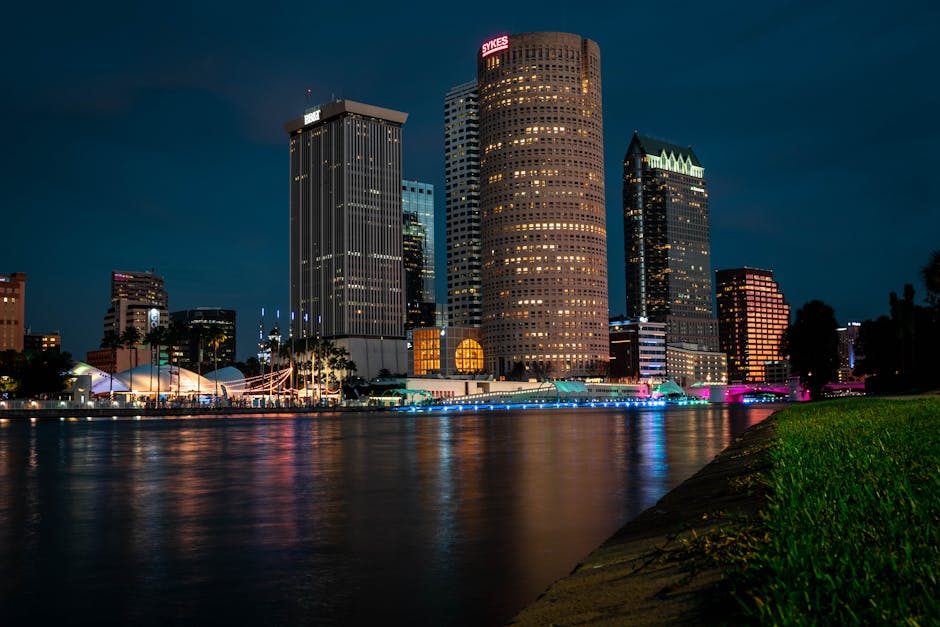
The Evolution of Tampa Waterfront as a Primary Asset Class
The transition of the Tampa Bay shoreline from a secondary vacation destination to a primary luxury residential market is now a matter of record. Recent analysis suggests that the region’s waterfront inventory is no longer viewed through a seasonal lens but as a foundational pillar for permanent wealth relocation. High-net-worth individuals are increasingly prioritizing the West Coast of Florida for its structural tax advantages and the rapid maturation of its urban core, which provides a level of sophistication previously reserved for much larger metropolitan hubs.
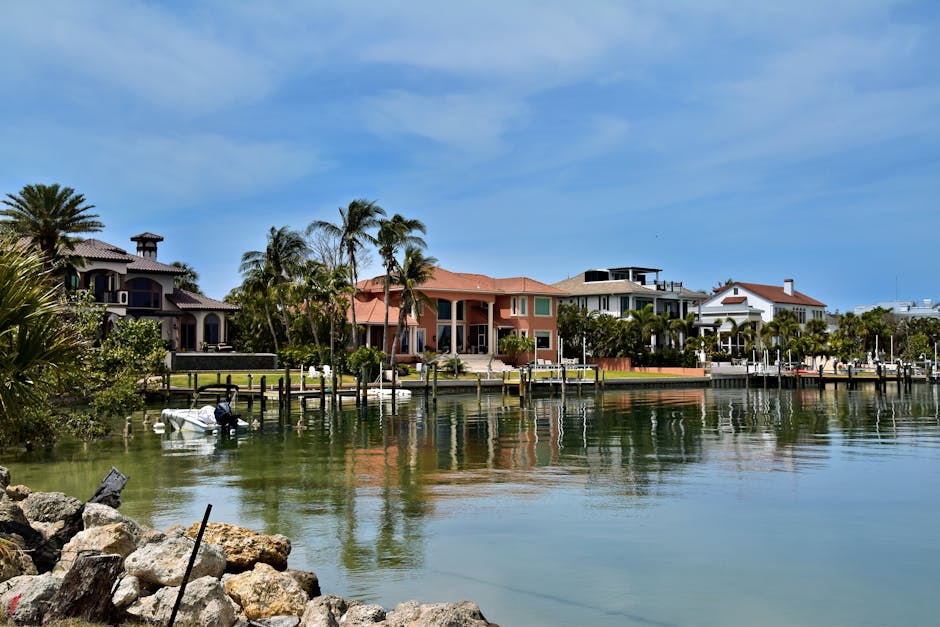
Investors and primary residents alike are shifting their focus toward properties that offer both coastal resilience and architectural significance. This movement is substantiated by the fact that Tampa Bay’s waterfront has emerged as a primary luxury market, attracting national attention for its stability and growth trajectory. This is not a speculative surge but a fundamental realignment of where capital is deployed within the state.
Understanding this shift requires a departure from traditional real estate metrics. We are seeing a compression in cap rates for high-end rentals and a simultaneous expansion in the definition of ‘prime’ locations. While Davis Islands and Bayshore Boulevard remain the gold standards, buyers are now looking at deeper canal frontage and larger lot assemblages in neighborhoods like Beach Park and Culbreath Isles to ensure long-term privacy and utility.
Design Shifts and the Rejection of Conventional Luxury
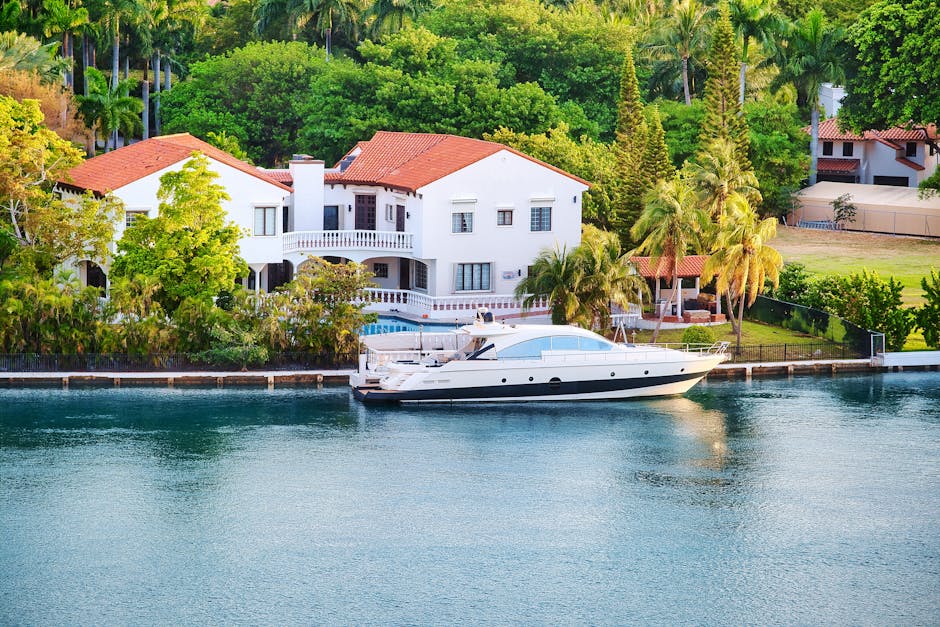
The era of the Mediterranean-style mansion, which dominated the local landscape for decades, is being superseded by a demand for bespoke, site-specific architecture. Modern luxury buyers in the current environment are increasingly sophisticated; they recognize the difference between high-cost finishes and high-value design. The focus has moved toward ‘quiet luxury’—high-performance glazing, integrated smart-home systems that prioritize security over novelty, and seamless indoor-outdoor transitions that leverage the local climate without compromising the building envelope.
Current trends indicate that carbon-copy luxury design is out, replaced by personalized touches that reflect the owner’s specific lifestyle needs. This includes dedicated home wellness centers, multi-generational living suites, and climate-controlled galleries for significant collections. The objective is to create a residence that feels permanent and curated, rather than a transient asset built to a generic template.
For a buyer advisor, the challenge lies in identifying properties that possess these enduring qualities. Assessing a home on Troutwater Lane or Gardner Road requires more than a glance at the finishes; it requires an evaluation of the structural integrity, the orientation for natural light, and the potential for future technological integration. These are the elements that preserve value through market cycles, ensuring that an acquisition today remains a relevant asset a decade from now.
Navigating Inventory Constraints and Market Velocity
The current luxury inventory in the region remains tight, with approximately 120 active listings in the premium tier. With a median list price hovering around $2,498,800 and an average price exceeding $3,269,000, the entry point for true luxury has recalibrated. This scarcity of high-quality stock means that market velocity for correctly priced, high-spec homes remains elevated, even as broader national trends show signs of cooling. Buyers must be prepared to move with conviction when a property meets their core criteria.
Analysis of Tampa Bay’s most expensive home sales reveals a consistent premium for architectural uniqueness and lot size. Large-scale residential sales, such as those seen on Memorial Highway, demonstrate that the top end of the market is less sensitive to interest rate fluctuations and more driven by the availability of rare real estate. When a significant acreage or a rare waterfront assemblage becomes available, it often commands a price that traditional appraisal models struggle to capture.
Strategic buyers are also looking at regional growth as a barometer for local appreciation. For instance, a Sarasota developer’s proposal for 300 homes in Lakewood Ranch signifies a continued northward and westward expansion of the Florida luxury footprint. This regional scaling adds liquidity to the entire corridor, ensuring that Tampa remains the central hub of a rapidly expanding economic engine.
Critical Acquisition Criteria for High-End Assets
To navigate this competitive landscape, a disciplined approach to due diligence is required. The focus should remain on tangible factors that contribute to both quality of life and long-term resale potential. While emotional resonance is part of any home purchase, the advisor’s role is to ground that sentiment in data and structural reality.
- Verification of shoreline stabilization and seawall integrity for all waterfront parcels.
- Assessment of flood mitigation systems and the impact of updated elevation requirements on insurance premiums.
- Evaluation of neighborhood-level development pipelines to identify potential privacy or view-shed obstructions.
- Detailed analysis of the mechanical and structural lifespan of custom-built systems.
- Confirmation of land-use restrictions and setback requirements for potential expansions or auxiliary structures.
Each of these points represents a potential pivot in the negotiation process. By addressing these factors early, a buyer can avoid the pitfalls of high-maintenance properties that lack the underlying value to support their upkeep. In a market where the median price is over $2.4 million, the margin for error in due diligence is slim.
The South Tampa Core vs. Emerging Luxury Corridors
The traditional dominance of South Tampa remains unshaken, particularly in the historic neighborhoods of Hyde Park and Palma Ceia. However, we are observing a notable shift in buyer behavior toward Westshore and the areas bordering Old Tampa Bay. These locations offer a different value proposition: larger modern builds on wider lots, often with easier access to the Westshore business district and the international airport. This is particularly attractive to executives and business owners who require proximity to transportation hubs without sacrificing residential scale.
The price per square foot in these emerging corridors is beginning to rival the established core, driven by the delivery of ultra-modern inventory that meets the expectations of national buyers. These buyers are often relocating from markets like New York or California and expect a level of finish and amenity that historical homes in the city center may not always provide. This has spurred a wave of ‘scrape-and-build’ activity, where older structures are being replaced by high-performance residences that maximize the utility of the land.
Furthermore, the diversification of the luxury market is evidenced by the rise in land acquisitions and commercial-to-residential transitions. While residential homes remain the primary focus, there is a growing interest in land parcels for custom estate development. This trend is a clear indicator that the available ready-to-move-in stock is insufficient to meet the specific demands of the highest tier of the market, leading many to opt for the multi-year process of custom construction.
Strategic Positioning in a Maturing Market
As the Tampa luxury market matures, the role of the specialized advisor becomes more critical. It is no longer enough to simply identify available properties; the advisor must provide context on market cycles, neighborhood evolution, and the specific nuances of Florida real estate law and taxation. This analytical approach ensures that clients are not just buying a home, but are making a sound financial decision aligned with their broader wealth management goals.
Reliable data and a deep understanding of local market dynamics are the only ways to cut through the noise of a high-velocity environment. Whether evaluating a contemporary estate or a classic waterfront manor, the focus must remain on the intersection of utility, location, and craftsmanship. These are the markers of an asset that will continue to perform, regardless of broader economic volatility.
Success in this sector requires a long-term perspective. By prioritizing the structural and strategic elements of an acquisition over fleeting aesthetic trends, buyers can secure a position in one of the country’s most resilient real estate markets. The current window of opportunity allows for the selection of prime assets that will define the region’s landscape for the next generation.
Securing a premium residence in this environment requires an advisor who understands the complexity of high-stakes transactions and the specific nuances of the local landscape. To navigate the current inventory of 120 luxury homes and identify the opportunities that align with your requirements, begin by reviewing the current market offerings. For a confidential discussion regarding your acquisition strategy or to schedule a private tour of exceptional properties, browse our exclusive listings and contact an advisor today.
Your next move in Tampa luxury
Get current inventory, pricing guidance, and private-tour support from our brokerage team.
Source highlights
- Sarasota developer proposes 300 single-family homes in Lakewood Ranch – The Business Journals
- Tampa Bay’s most expensive luxury home sales of 2025 – Tampa Bay Times
- Tampa Bay’s Waterfront Emerges as a Primary Luxury Real Estate Market – The National Law Review
- Carbon-Copy Luxury Is Out. These Are the Design Touches Winning Home Buyers Over. – Mansion Global
- Florida Trend Real Estate – Florida Trend
- New Signature Real Estate Team Emerges Across Tampa Bay: The Nick Janovsky Group Launches with Premier Sotheby’s International Realty – citybiz
- Things To Do In Tampa This Weekend: Best Festivals & Events Going On – That's So Tampa
- Things To Do In St Pete This Weekend: Best Festivals & Events Going On In St Petersburg – I Love the Burg



