


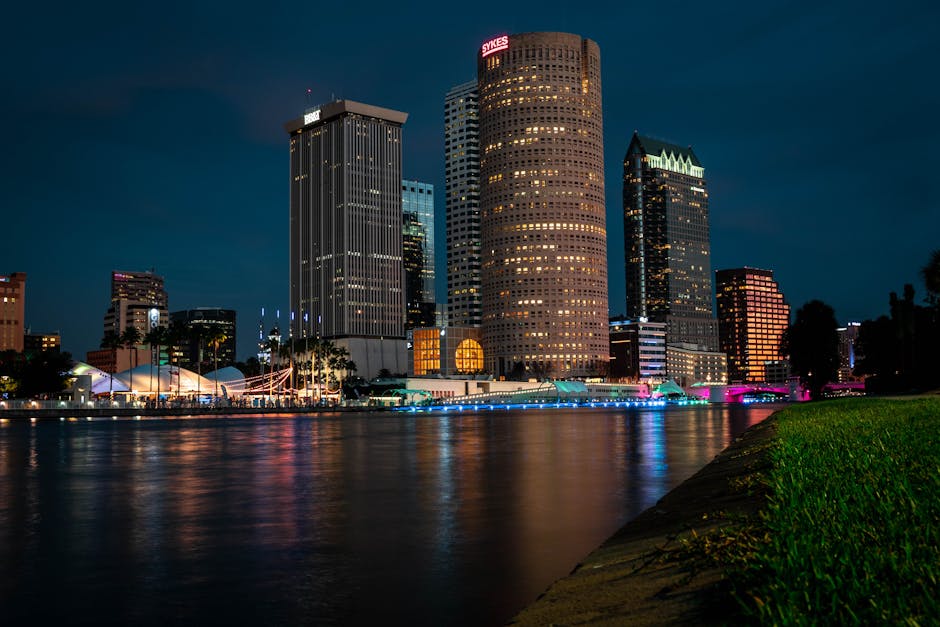
The Resilience of the Tampa Luxury Sector and Capital Migration
As we navigate the second quarter of 2026, the Tampa luxury real estate market continues to demonstrate a unique decoupling from broader national trends. While several major metropolitan areas have seen a cooling of high-end activity, the Tampa Bay region maintains a robust posture, characterized by a current median list price of approximately $2,498,800. This resilience is not merely a byproduct of general demand but a result of sustained capital migration from high-tax jurisdictions and the continued expansion of the local professional sector.
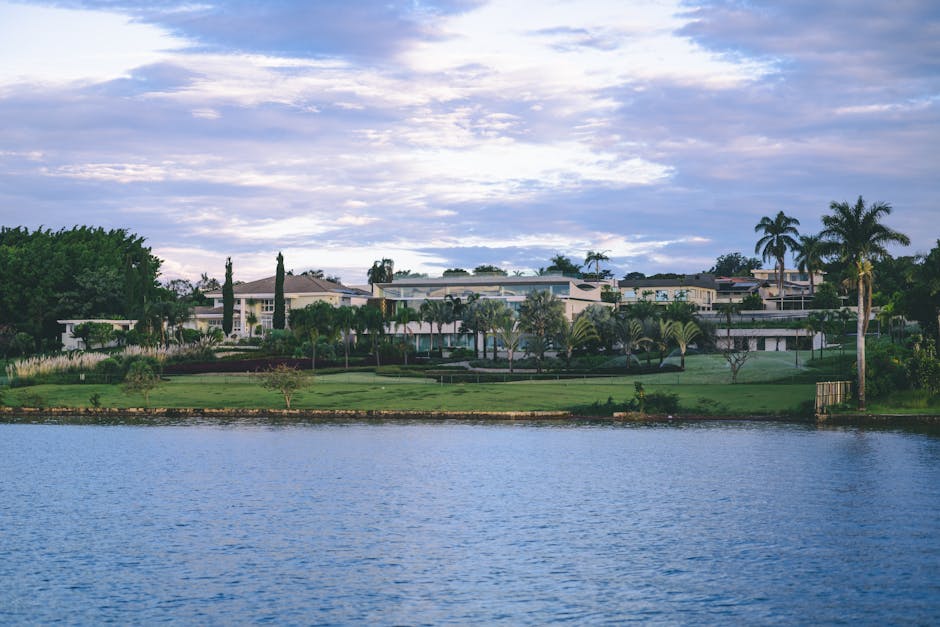
Sophisticated buyers are no longer viewing Tampa as a secondary or seasonal alternative. Instead, it has solidified its position as a primary residence hub for executives and entrepreneurs. Data recently highlighted by The Business Journals confirms that the local luxury market grows stronger despite national declines, reflecting a fundamental shift in how wealth is being allocated in the Sun Belt. Buyers in this cycle are prioritizing long-term value retention over speculative gains.
Currently, the market features a curated selection of roughly 120 active luxury listings. This limited inventory ensures that pricing remains disciplined. Properties such as those found on Gardner Road or Memorial Highway often serve as benchmarks for the higher end of the spectrum, where average list prices hover near $3,269,579. For the strategic buyer, the goal is to identify assets that offer both architectural merit and geographical permanence.
The Evolution of Primary Waterfront Real Estate
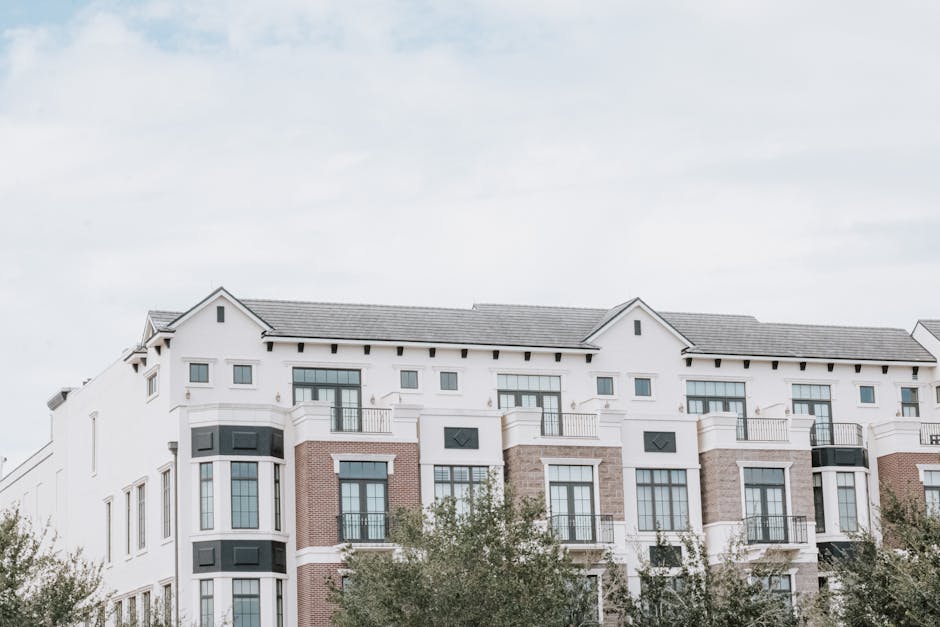
The definition of waterfront living in Tampa has undergone a significant transformation. What was once a market dominated by vacation-style aesthetics is now focused on high-utility, permanent residences designed for year-round occupancy. This shift is particularly evident in neighborhoods like Davis Islands and along the Bayshore corridor, where proximity to the urban core is balanced with the privacy afforded by coastal positioning. The demand for these properties has effectively redefined the region as a primary luxury market.
According to research from The National Law Review, Tampa’s waterfront has emerged as a top-tier destination for high-net-worth individuals who require sophisticated infrastructure alongside natural amenities. This trend is driving a new wave of construction focused on environmental resilience and technological integration. Buyers are increasingly asking about elevation, seawall integrity, and smart-grid compatibility before considering floor plans or interior finishes.
When evaluating waterfront opportunities, it is essential to distinguish between canal-front assets and open-bay vistas. While both command premiums, the utility of deep-water access for larger vessels remains a primary driver for properties in North Westshore and similar enclaves. The scarcity of available bay-front lots has led to a renovation boom, where older structures are being replaced by modern estates that maximize vertical space and panoramic views without compromising on structural safety.
Structural Value vs. Aesthetic Fatigue
A notable trend in the 2026 market is the rejection of generic, high-end builds that lack local context. The “carbon-copy” approach to luxury, which relied on mass-market high-end finishes, has given way to a demand for bespoke design and craftsmanship that reflects the unique character of the Tampa Bay area. Buyers are showing signs of aesthetic fatigue with modern farmhouses and stark minimalism, moving instead toward textures and materials that feel grounded and permanent.
A recent report by Mansion Global notes that these design touches are what win buyers over in the current climate. In Tampa, this manifests as a preference for integrated outdoor living spaces that function as true extensions of the interior, rather than mere additions. We are seeing a resurgence in the use of high-quality stone, sustainable hardwoods, and advanced climate-control systems that cater specifically to the Florida humidity and temperature fluctuations.
Investors should look for properties that prioritize layout efficiency and privacy. Features such as multi-generational suites, home wellness centers, and secure, high-capacity garages are currently yielding higher returns on investment than traditional formal dining rooms or oversized foyers. The focus has shifted from showing a home to living in it, a distinction that separates lasting assets from transient trends.
Strategic Acquisition Checklist for 2026
Before moving forward with a high-value acquisition, it is imperative to conduct a rigorous assessment of the property’s fundamentals. The following checklist represents the core considerations for any serious buyer in the current Tampa market:
- Verification of current elevation certificates and historical flood data beyond standard disclosures.
- Assessment of neighborhood infrastructure projects planned through late 2026 and 2027.
- Evaluation of technological infrastructure, including redundant power systems and high-speed connectivity.
- Audit of bespoke craftsmanship and material provenance to ensure long-term durability.
- Analysis of proximity to emerging social and culinary hubs, such as the Water Street developments.
- Review of private school proximity and logistics for family-centric acquisitions.
Adhering to this framework allows buyers to bypass emotional decision-making and focus on the technical merits of a property. In a market where multiple offers are common for prime locations like Troutwater Lane, having a pre-vetted list of requirements is a significant advantage.
Infrastructure and Neighborhood Longevity
The value of a luxury property in Tampa is inextricably linked to the surrounding infrastructure. The developments shaping the region in 2026 are focused on connectivity and urban revitalization, which in turn elevates the desirability of adjacent residential enclaves. As noted by Tampa Bay Business & Wealth, these large-scale projects are not just adding retail space but are fundamentally changing the lifestyle utility of the city’s core.
For buyers, this means that even suburban-style estates in North Tampa or Carrollwood are gaining value based on their improved accessibility to downtown. The expansion of high-end dining and cultural events, such as those featured on That’s So Tampa, creates a social ecosystem that supports high property values. A home is no longer an isolated asset but a part of a broader, more integrated community experience.
We recommend monitoring transportation initiatives and commercial permits in the immediate vicinity of any potential purchase. The most successful acquisitions are often those located just on the periphery of major developments—close enough to benefit from the appreciation and amenities, yet far enough to maintain the quietude expected of a luxury estate. This balance is particularly important in established areas like Hyde Park and Palma Ceia, where historical charm meets modern growth.
Comparing Established Enclaves and Emerging Corridors
A frequent point of comparison for our clients is whether to invest in an established South Tampa enclave or explore the emerging luxury corridors further north. Both paths offer distinct advantages. South Tampa remains the gold standard for prestige and walkability, with high barriers to entry that protect property values. However, emerging areas often provide larger lot sizes and the opportunity for more expansive, custom-built estates that are difficult to achieve in the more densely populated coastal zones.
When analyzing these options, consider the daily logistics of your lifestyle. If proximity to the airport and the downtown business district is a priority, the established neighborhoods are difficult to beat. Conversely, if privacy and acreage are the primary drivers, exploring North Tampa or even the more secluded waterfront pockets in the Westchase area may yield better long-term satisfaction. The key is to evaluate the “utility per square foot” rather than just the total size of the residence.
Market movement in 2026 suggests that buyers are increasingly willing to trade traditional proximity for enhanced privacy and modern amenities. This has led to a broadening of the luxury map, where areas that were once considered peripheral are now seeing record-breaking sales. This expansion is a healthy sign for the region, as it provides a wider array of architectural styles and lifestyle options for the discerning buyer.
The Strategic Path Forward
Navigating the 2026 Tampa luxury market requires more than just capital; it requires a disciplined approach to data and a deep understanding of local dynamics. The current inventory of 120 properties offers significant opportunities, but the window for acquiring prime assets in high-demand areas continues to tighten as more domestic and international buyers recognize the region’s stability. Successful acquisition is often the result of months of research and a clear-eyed assessment of market movement.
For those ready to transition into a new residence or diversify their property portfolio, the first step is to engage with a team that understands the analytical side of the transaction. We invite you to browse our current listings to gauge the present landscape and then contact an advisor to discuss your specific requirements. In a market this nuanced, the difference between a standard purchase and a strategic investment is the quality of the guidance you receive.
Your next move in Tampa luxury
Get current inventory, pricing guidance, and private-tour support from our brokerage team.
Source highlights
- Tampa Bay’s most expensive luxury home sales of 2025 – Tampa Bay Times
- Tampa Bay luxury market grows stronger despite national declines – The Business Journals
- Tampa Bay’s Waterfront Emerges as a Primary Luxury Real Estate Market – The National Law Review
- Florida Trend Real Estate – Florida Trend
- Carbon-Copy Luxury Is Out. These Are the Design Touches Winning Home Buyers Over. – Mansion Global
- The real estate developments shaping Tampa Bay in 2026 – Tampa Bay Business & Wealth
- Things To Do In Tampa This Weekend: Best Festivals & Events Going On – That's So Tampa
- Tampa weekend events: Concerts, festivals and downtown family fun — What to know before you go – FOX 13 Tampa Bay



