


The Transition to a Primary Luxury Market
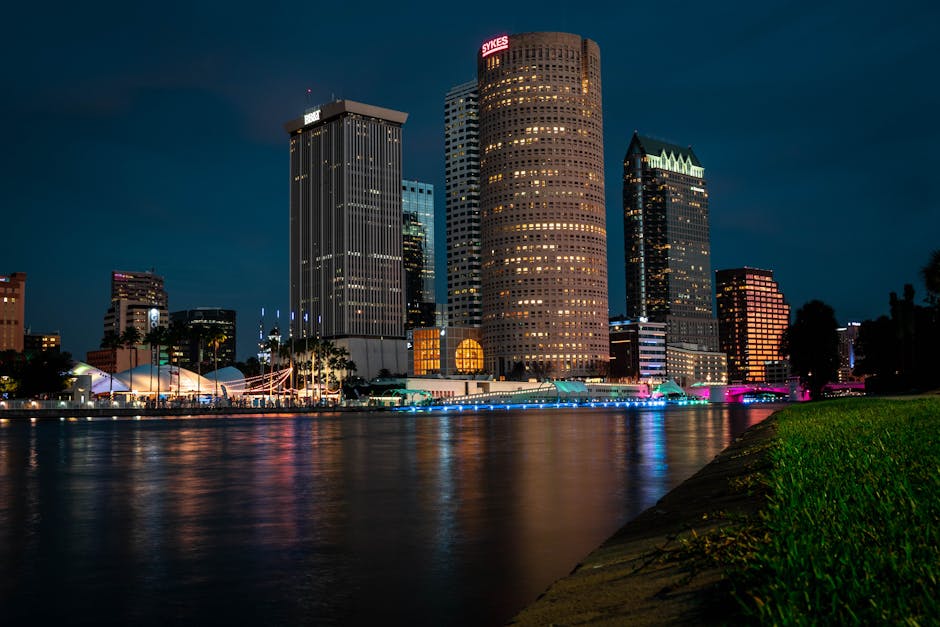
Tampa has undergone a fundamental shift in its real estate identity, moving from a seasonal alternative to a primary destination for domestic and international capital. This evolution is most evident in the high-end residential sector, where the demand for permanent residency has outpaced the traditional secondary-home model. High-net-worth individuals are no longer just looking for a winter retreat; they are seeking properties that support a full-time, high-functioning lifestyle equipped with robust home infrastructure and proximity to the city’s expanding commercial hubs. This shift is validated by recent data indicating that Tampa’s waterfront has emerged as a primary luxury real estate market, competing directly with established hubs in South Florida and the Northeast.
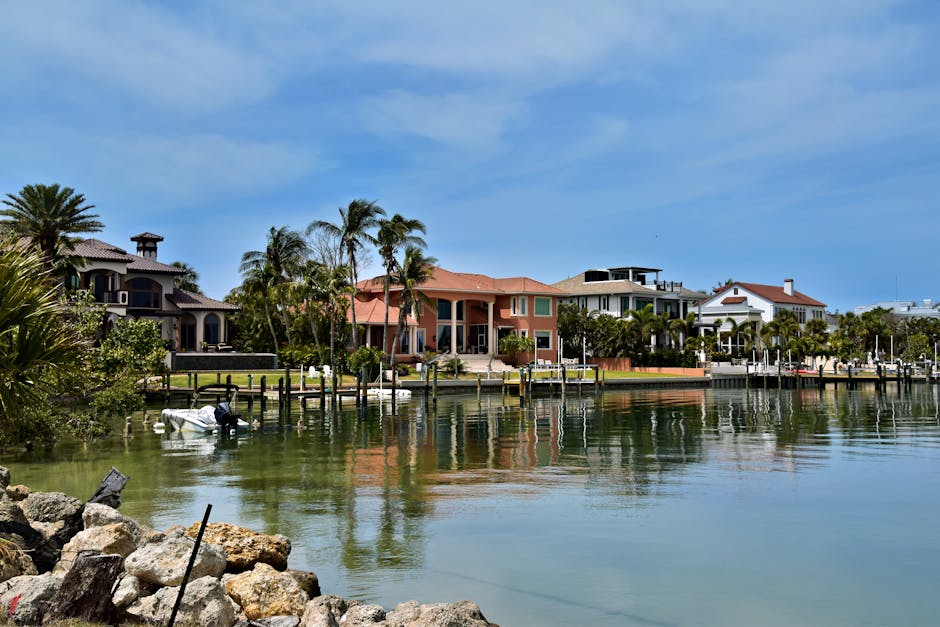
For the sophisticated buyer, this means the criteria for selection have become more rigorous. We are seeing a move away from the speculative “McMansion” architecture of previous decades toward more resilient, thoughtfully designed estates. The local market movement suggests that buyers are prioritizing lot elevation, modern storm mitigation, and integrated smart-home technologies that offer both security and convenience. In areas like Beach Park and Culbreath Isles, the focus remains on privacy and deep-water access, catering to a demographic that views their home as both a sanctuary and a strategic asset in a growing metropolitan area.
As we navigate this landscape, it is essential to recognize that the inventory is increasingly specialized. With only 120 active luxury listings currently available, the competition for prime waterfront footage is high. The market is not merely growing; it is maturing, with a median list price now holding steady near $2,500,000. This pricing reflects a broader confidence in Tampa’s long-term economic stability and its ability to sustain a high-tier lifestyle that balances professional connectivity with private, coastal living.
Architectural Integrity and the End of Carbon-Copy Luxury
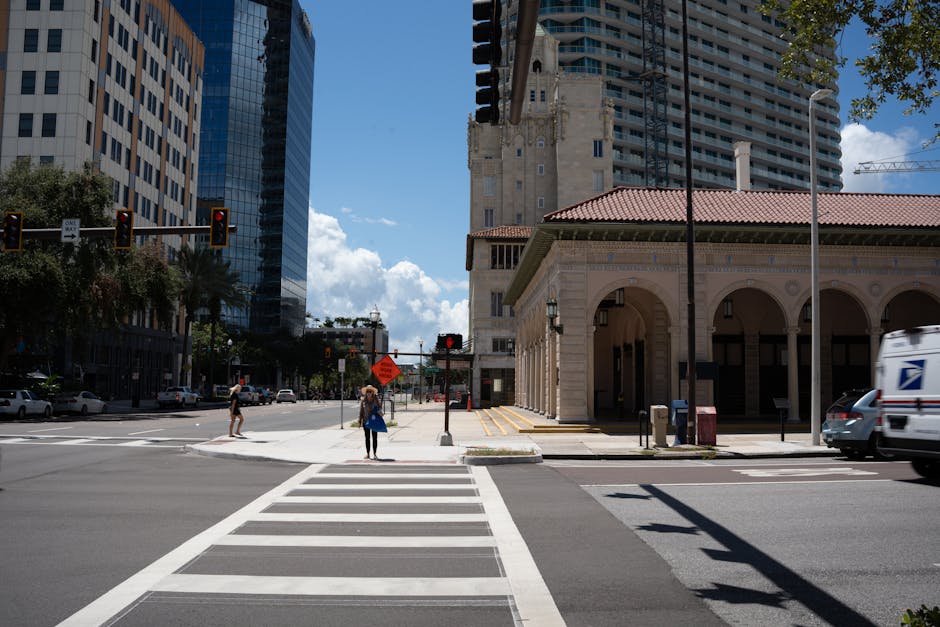
The aesthetic preferences of Tampa’s luxury buyers have pivoted sharply toward authenticity and bespoke finishes. The era of the mass-produced, Mediterranean-style spec home is giving way to a more varied architectural palette that includes Coastal Modern, New Dutch West Indies, and refined Transitional designs. Buyers are increasingly wary of generic luxury, preferring homes that reflect a unique sense of place and higher craftsmanship. Recent industry analysis highlights that carbon-copy luxury is no longer effective, as design touches and personalized features are what ultimately win over today’s home buyers.
In neighborhoods like Hyde Park and Davis Islands, the renovation of historic estates requires a delicate balance between preserving character and introducing modern utility. Sophisticated buyers are looking for high-end kitchen appointments, dedicated wellness suites, and outdoor living spaces that function as true extensions of the interior. The use of natural materials—locally sourced stone, reclaimed wood, and expansive glass—is replacing the heavy ornamentation of the past. This movement toward “quiet luxury” emphasizes quality of construction over sheer square footage, a trend that is reshaping the luxury homes for sale across the region.
Furthermore, the shift toward custom builds is driven by a desire for functional floor plans that accommodate the modern remote-work environment without sacrificing the home’s flow for entertaining. A primary suite is no longer just a bedroom; it is a multi-room retreat with integrated coffee bars, dual executive offices, and private terrace access. This level of customization ensures that the property remains competitive in a market where the average list price has climbed to over $3,200,000, signaling that value is increasingly found in the details rather than the volume.
Inventory Dynamics and Market Precision
The current state of Tampa’s luxury market is defined by a controlled supply and a highly discerning buyer pool. With 120 active listings, the market is not oversaturated, allowing for a more stable pricing environment compared to other Florida metros. We are seeing a significant variance in property types, ranging from expansive estates on Memorial Highway to refined townhome options in the South End. This diversity allows buyers to choose a residential model that fits their specific lifestyle needs, whether it be the maintenance-free living of a high-rise or the seclusion of a gated acre.
Valuation in this market requires a granular understanding of neighborhood-level movements. For example, a waterfront property on Troutwater Lane may command a different premium than a similar build in South Tampa due to dockage rights, canal depth, and proximity to open bay water. Buyers must look beyond the list price and evaluate the underlying components of value, such as riparian rights and recent infrastructure improvements in the surrounding area. The historical data from Tampa Bay’s most expensive luxury home sales of 2025 provides a baseline for what the market is willing to bear for truly exceptional properties.
It is also worth noting the expansion of the luxury footprint into adjacent regions. For instance, large-scale developments in nearby Lakewood Ranch, such as the proposed 300 single-family homes by Sarasota developers, provide an alternative for those seeking newer construction in a master-planned environment. However, for those focused on the core Tampa experience, the limited availability of land in established neighborhoods remains a primary driver of long-term appreciation.
Essential Due Diligence for High-Value Acquisitions
Purchasing a luxury property in Tampa’s current climate requires a strategic approach that goes beyond standard inspections. The complexity of waterfront regulations, coastal construction codes, and the specific nuances of historic districts can significantly impact the long-term utility and resale value of a home. Advisors now emphasize a more analytical due diligence process to ensure that the physical asset matches the financial commitment. Buyers should focus on the following critical verification points:
- Verify the base flood elevation and ensure the property meets or exceeds current FEMA requirements for the specific flood zone.
- Confirm the condition and age of the seawall, as well as the depth of the canal at low tide for deep-water vessel access.
- Review the specific neighborhood covenants and restrictions that may limit future renovations or the addition of structures like guest houses or boat lifts.
- Assess the structural integrity of the roofing and window systems, prioritizing impact-rated glass and wind-resistant materials.
- Evaluate the home’s smart infrastructure, including the security system, lighting controls, and high-speed connectivity capabilities.
- Check for any pending zoning changes or infrastructure projects in the immediate area that could impact traffic or noise levels.
By addressing these factors early, buyers can avoid the pitfalls that often accompany high-end acquisitions in a coastal environment. The goal is to move from a position of interest to one of informed confidence. Each of these points serves as a layer of protection for the buyer’s investment, ensuring that the property provides the intended lifestyle benefits without unexpected liabilities or limitations on use.
The Growth of the South End and Emerging Enclaves
As the core neighborhoods of South Tampa reach near-total absorption, the focus has shifted toward the South End. This area is seeing a surge in high-end development, specifically in the form of luxury townhomes and boutique condos that offer a more urban, walkable lifestyle. For instance, the newly built luxury townhomes hitting the market in the South End are attracting a younger, professional demographic that values proximity to the waterfront without the maintenance requirements of a large estate.
This geographic expansion is not just about finding more space; it is about the diversification of the luxury experience. Buyers are increasingly interested in areas that offer a blend of residential quietude and commercial convenience. The emergence of these enclaves is a sign of a healthy, maturing market where multiple nodes of high-value real estate can coexist. Whether it is a modern townhouse or a traditional single-family home on Gardner Road, the options for luxury living in Tampa are more varied than ever before.
Understanding these shifts is key for sellers as well. In a market where buyers are looking for very specific lifestyle markers, positioning a property requires a deep understanding of current design trends and buyer psychology. Highlighting the walkability to local amenities or the recent upgrades to the home’s energy efficiency can be the difference-maker in a successful transaction. The market is efficient, but it rewards those who can demonstrate clear, tangible value in their offering.
Lifestyle Integration and Community Dynamics
Buying into Tampa’s luxury market is an investment in a specific community lifestyle. The city’s cultural and social calendar has become a significant draw for residents, offering a high-density of events that cater to diverse interests. From high-profile festivals to local downtown family fun, the weekend events in Tampa provide a sense of vibrancy that is often missing from more isolated luxury enclaves. This social connectivity is a major component of the value proposition for the region.
Residents find themselves at the intersection of a thriving professional environment and a rich social landscape. The ability to attend a waterfront concert or a world-class festival within minutes of one’s home adds a layer of utility that traditional suburban markets cannot match. This proximity to the city’s “heart” is a recurring theme among buyers who are choosing Tampa over more remote coastal options. The lifestyle here is active, engaged, and increasingly sophisticated, matching the caliber of the homes being built.
Ultimately, the decision to acquire property in this market is driven by a desire for a comprehensive living experience. The combination of strong inventory fundamentals, a maturing architectural landscape, and a robust community infrastructure makes Tampa a compelling choice for the modern luxury buyer. As the city continues to grow, the importance of having a locally-embedded advisor to navigate these nuances becomes even more apparent. Success in this market is found through precision, patience, and a deep understanding of the local landscape.
Navigating the complexities of the current luxury market requires a partner who understands the data-backed implications of every transaction. Whether you are looking to acquire a bespoke waterfront estate or list a property that demands a sophisticated presentation, we provide the analytical brief and neighborhood-level expertise necessary to achieve your goals. We invite you to browse our current luxury listings and contact an advisor to discuss your specific requirements in the Tampa market.
Your next move in Tampa luxury
Get current inventory, pricing guidance, and private-tour support from our brokerage team.
Source highlights
- Sarasota developer proposes 300 single-family homes in Lakewood Ranch – The Business Journals
- Newly Built Luxury Townhome in Tampa's South End Hits Market – National Today
- Tampa Bay’s most expensive luxury home sales of 2025 – Tampa Bay Times
- Tampa Bay’s Waterfront Emerges as a Primary Luxury Real Estate Market – The National Law Review
- Carbon-Copy Luxury Is Out. These Are the Design Touches Winning Home Buyers Over. – Mansion Global
- Florida Trend Real Estate – Florida Trend
- Things To Do In Tampa This Weekend: Best Festivals & Events Going On – That's So Tampa
- Tampa weekend events: Concerts, festivals and downtown family fun — What to know before you go – FOX 13 Tampa Bay



