The Structural Shift in Tampa’s High-End Property Sector
The landscape of Florida real estate has undergone a fundamental transformation, with Tampa emerging as a primary destination for institutional-grade residential investment. Recent data indicates a significant capital influx, with reports highlighting a $675 million surge that has effectively repositioned the city as a major luxury capital. This movement is not merely a byproduct of general migration but a calculated shift by affluent buyers who recognize the long-term value proposition of the Gulf Coast over the saturated corridors of the Atlantic side.
Neighborhoods like Davis Islands and Culbreath Isles are no longer seeing speculative growth; instead, they are witnessing a consolidation of wealth as permanent residents replace transient investors. This shift is driven by a sophisticated buyer profile looking for architectural integrity and a high degree of privacy. As the inventory of active luxury listings remains constrained—hovering around 120 units—the competition for premier parcels continues to drive valuations upward, even as other national markets experience a cooling period. This scarcity creates a protective moat for existing owners, ensuring that equity remains stable despite broader economic fluctuations.
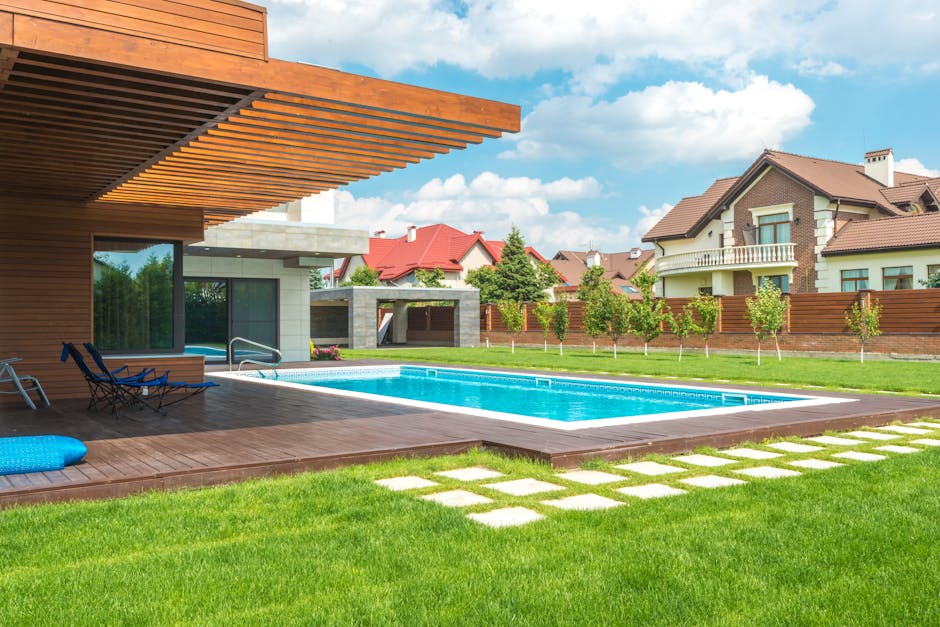
Sophisticated advisors are currently tracking the movement of capital from the Northeast and West Coast directly into South Tampa’s most established enclaves. The focus has transitioned from simple square footage to the quality of the build and the pedigree of the location. Buyers are increasingly discerning, prioritizing properties that offer seamless integration between indoor and outdoor living while maintaining a quiet, understated presence. This analytical approach to acquisition is what defines the current market cycle: it is a period of quality over quantity, where the most astute participants are focusing on assets with enduring appeal.
Waterfront Scarcity and the Primary Market Evolution
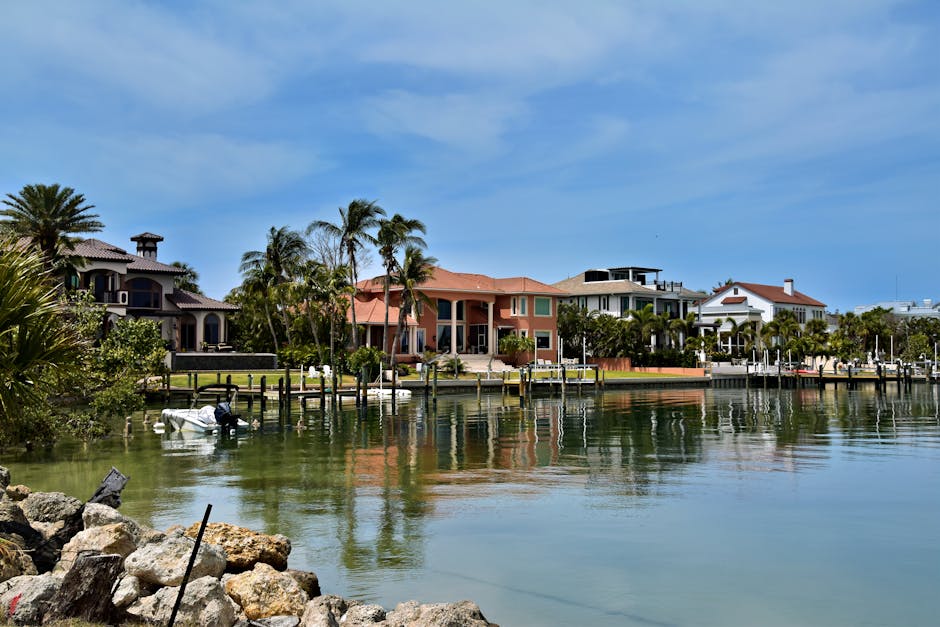
The demand for waterfront property in the region has reached a critical inflection point, as the availability of developable land along the bay becomes increasingly rare. According to insights from The National Law Review, Tampa’s waterfront has officially emerged as a primary luxury real estate market, moving away from its historical status as a secondary or seasonal choice. This transition is essential for buyers to understand, as it affects everything from insurance premiums to long-term resale liquidity.
In areas such as Beach Park and Harbour Island, the premium for direct water access has widened significantly compared to inland estates. Buyers are increasingly willing to pay a substantial margin for properties that offer deep-water docks or wide-bay views, recognizing that these features cannot be replicated. The market is also seeing a rise in the teardown-and-rebuild trend, where older structures are being replaced by modern, storm-resilient estates that meet the highest current engineering standards. This cycle of renewal is elevating the entire aesthetic of the waterfront, further cementing its status as the pinnacle of local investment.
When evaluating these opportunities, it is vital to distinguish between aesthetic appeal and structural permanence. Modern buyers are looking beyond the initial view, examining the integrity of seawalls, the elevation of the first living floor, and the sophistication of drainage systems. The shift toward modern tropical architecture is not just a stylistic choice but a functional response to the local environment. For those looking to secure a legacy asset, the current window offers a chance to acquire positions in neighborhoods that are undergoing a multi-generational upgrade.
Quantifying Market Resilience Against National Trends
While much of the United States has grappled with the impact of higher interest rates, the local high-end sector has remained remarkably insulated. Reports from The Business Journals indicate that Tampa Bay’s luxury market grows stronger despite national declines. This resilience is largely attributed to a high percentage of cash transactions and a buyer base that is less sensitive to mortgage rate volatility. Instead, these buyers are motivated by wealth preservation and the superior quality of life found in Florida’s west coast metropolitan hubs.
The current median list price in the luxury segment exceeds $2.4 million, reflecting a inventory that is increasingly skewed toward high-value estates. This price floor is supported by a fundamental lack of supply; with only 120 active luxury listings, the market remains firmly in favor of sellers who hold premium assets. For buyers, this means that waiting for a significant price correction may be a flawed strategy, as the underlying demand continues to outpace new additions to the market. The objective now is to identify properties with unique value drivers that will appreciate regardless of the broader macro-economic climate.
Essential Criteria for High-End Property Acquisition
- Verify the structural integrity and age of the seawall and dockage for all waterfront parcels.
- Analyze historical price-per-square-foot trends specifically within the target neighborhood enclave.
- Assess the impact of recent and upcoming infrastructure improvements in the immediate vicinity.
- Review the property’s elevation certificate and the implications for long-term insurance costs.
- Evaluate the privacy and security features, including gated access and natural screening.
- Confirm the proximity to key private aviation hubs and high-end commercial corridors.
New Construction Standards and Architectural Shifts
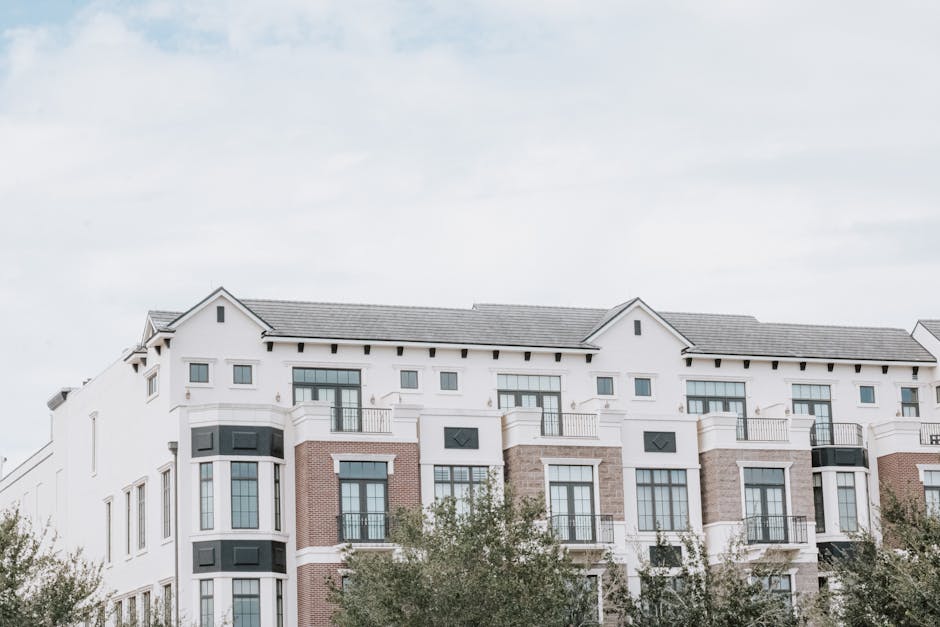
The standard for a high-end residence in the region has evolved beyond traditional Mediterranean designs toward a more refined, contemporary aesthetic. We are seeing a surge in newly built luxury townhomes and estates that prioritize clean lines, expansive glass, and sustainable materials. A notable example is the recent market entry of newly built luxury townhomes in South Tampa, which cater to a demographic that values walkability and low-maintenance luxury without compromising on finish levels or privacy.
These modern properties often feature advanced home automation, energy-efficient HVAC systems, and high-performance building envelopes. For the discerning buyer, these upgrades are not just conveniences; they are essential components of a modern estate that ensure comfort and minimize operational costs. As Florida Trend notes, the real estate sector is increasingly focused on resilience and innovation, making new construction a compelling choice for those looking to avoid the renovation cycles associated with older properties. The integration of technology and design is setting a new benchmark for what is expected at the $3 million+ price point.
The decision between a custom build and a move-in-ready estate often comes down to the buyer’s timeline and specific requirements for customization. In the current market, the premium for completed new construction is significant, as it allows buyers to bypass the complexities and delays of the local permitting and construction process. However, for those with a specific vision, the available land in neighborhoods like Sunset Park or Bel Mar remains a viable path toward creating a truly bespoke principal residence. Our advisors frequently assist in navigating these choices, providing data on construction costs and projected completion timelines.
The Intersection of Lifestyle and Long-Term Value
Acquiring a high-end property in this region is as much about the surrounding environment as it is about the structure itself. The city’s cultural calendar and infrastructure are designed to support a sophisticated lifestyle, from world-class dining in Water Street to major community events. For instance, the heavy traffic expected for downtown events is a testament to the city’s active metropolitan core, which continues to draw residents who want to be at the center of the action. This proximity to amenities is a key driver of property values, especially in the more walkable pockets of the city.
The balance of climate and community is also a significant factor. With April temperatures reaching the low 80s and clear skies, the outdoor-centric lifestyle is a year-round reality. This climate supports a variety of local traditions and gatherings, from festivals to unique celebrations like Record Store Day, which adds a layer of authentic local culture to the metropolitan experience. These elements contribute to a sense of place that is difficult to find in more transient Florida cities, providing an additional layer of intangible value to any real estate investment in the area.
Ultimately, the choice of a residence is a reflection of how one intends to engage with the city. Whether it is the quiet prestige of a bayside estate or the modern convenience of a luxury townhome near the downtown core, the options are diverse. The key is to approach the market with a clear understanding of your priorities and a rigorous analysis of the available data. As the market continues to evolve, staying informed about neighborhood-level changes and macro-economic trends will be the most effective way to ensure a successful acquisition that serves both as a sanctuary and a stable asset.
Navigating the complexities of the current high-end market requires a partner who understands the nuances of local inventory and the broader economic landscape. Whether you are looking to secure a waterfront position or a contemporary estate in one of the city’s most established neighborhoods, our team provides the analytical brief necessary to make a confident decision. We invite you to explore our curated LISTINGS URL and CONTACT URL an advisor today to discuss your specific requirements and gain a competitive advantage in this sophisticated market.
Your next move in Tampa luxury
Get current inventory, pricing guidance, and private-tour support from our brokerage team.
Source highlights
- Tampa Bay’s most expensive luxury home sales of 2025 – Tampa Bay Times
- Tampa Bay luxury market grows stronger despite national declines – The Business Journals
- Newly Built Luxury Townhome in Tampa's South End Hits Market – National Today
- Florida Trend Real Estate – Florida Trend
- Tampa Bay’s Waterfront Emerges as a Primary Luxury Real Estate Market – The National Law Review
- Inside Tampa’s $675 Million Surge: How the City Became Florida’s New Luxury Investment Capital – hauteresidence.com
- Big events planned to celebrate Record Store Day this weekend in Tampa and St. Pete – That's So Tampa
- Tampa weekend events: Concerts, festivals and downtown family fun — What to know before you go – FOX 13 Tampa Bay