Market Calibration and the $2.5M Baseline
As we move through the second quarter of 2026, the Tampa luxury real estate sector has moved past the volatile cycles of previous years into a phase of disciplined growth. With a current inventory of 120 active luxury properties and a median list price holding steady at $2,499,000, the market reflects a healthy balance between supply and demand. This stability offers a window for buyers who prioritize long-term value over speculative gains. Unlike the frantic bidding wars seen in the early 2020s, today’s transactions are defined by rigorous appraisals and extended due diligence periods.
Sophisticated investors are looking beyond simple price-per-square-foot metrics to evaluate the intrinsic value of local holdings. High-end listings in the region, such as those featured on Mansion Global, demonstrate a clear preference for properties that offer architectural permanence and advanced home automation. The average list price of approximately $3,255,046 underscores the premium placed on ready-to-move-in assets. For those entering the market, understanding that the ‘entry-level’ for true luxury has solidified around the $2.5 million mark is essential for setting realistic acquisition goals.
Buyer behavior has shifted toward a preference for turn-key reliability. We are seeing a significant decrease in the appetite for ‘fixer-upper’ luxury estates, as the cost and timeline of high-end renovations continue to fluctuate. Current market movement suggests that properties priced accurately from the outset are moving within 45 to 60 days, while overpriced listings languish, eventually requiring significant corrections. Successful acquisition in this climate requires a pulse on real-time inventory movements and an advisor who can distinguish between temporary price inflation and sustainable neighborhood appreciation.

The Evolution of Vertical Luxury and Urban Connectivity
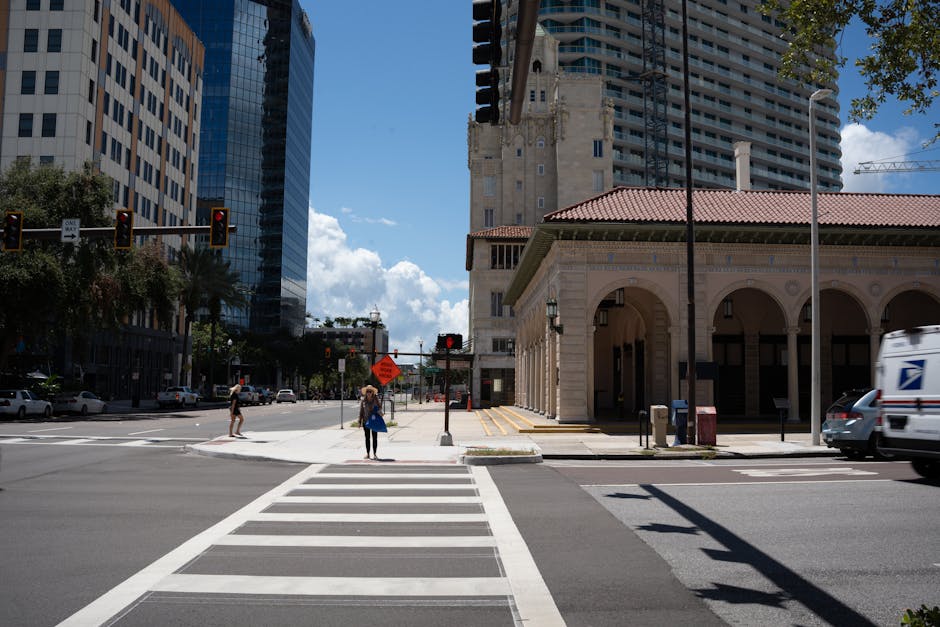
Tampa’s skyline continues to transform, reflecting a broader trend toward high-density, high-service living. The city is increasingly recognized as an early-stage luxury condo market, a sentiment echoed by Tampa Bay Business & Wealth. This evolution is particularly evident in the downtown core and along the Water Street corridor, where vertical living offers amenities that traditional single-family homes cannot replicate. Concierge services, private wellness centers, and climate-controlled storage have become standard expectations for the modern urban buyer.
This shift is not limited to high-rises. The ‘South End’ of the city is seeing a surge in newly built luxury townhomes that cater to buyers seeking a middle ground between a sprawling estate and a penthouse. These properties prioritize low-maintenance living without sacrificing the square footage required for entertaining or multi-generational housing. The recent arrival of several boutique developments has introduced a fresh aesthetic to the market, blending West Indies influences with modern industrial lines. This architectural diversification is a positive indicator of a maturing market that can support multiple luxury sub-types.
Connectivity to the city’s cultural and commercial hubs remains a primary driver of value. Proximity to the Riverwalk and the emerging Gas Worx district provides a lifestyle hedge against market downturns. As Axios Tampa Bay frequently reports, the influx of major corporate headquarters and the expansion of the medical district continue to bring a steady stream of high-net-worth individuals to the area. This demographic shift ensures a consistent floor for demand, particularly in neighborhoods that allow for a ‘pedestrian-plus’ lifestyle where high-end dining and professional hubs are within a short radius.
Valuation Drivers: Land Scarcity and Architectural Merit
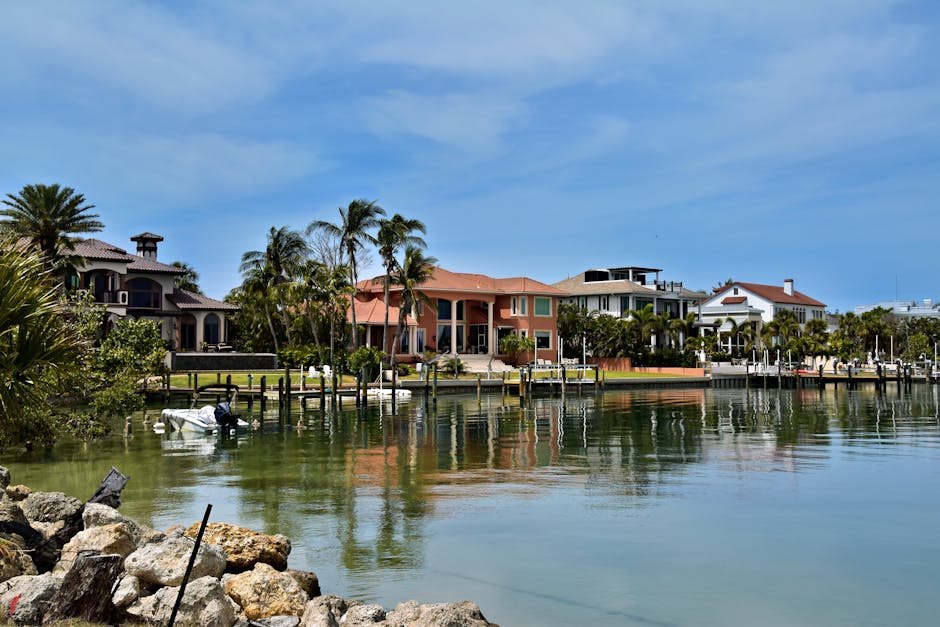
In a coastal city like Tampa, land remains the ultimate finite resource. Waterfront parcels along Bayshore Boulevard and the quiet canals of Davis Islands continue to command the highest premiums, often exceeding the value of the structures built upon them. Buyers are increasingly viewing these acquisitions as ‘land bank’ opportunities, where the primary objective is securing the footprint for future custom construction. This scarcity is driving interest toward inland neighborhoods that offer larger lot sizes and established oak canopies, such as Beach Park and parts of Palma Ceia.
Architectural merit is also playing a larger role in valuation than in previous years. While Mediterranean Revival remains a staple of the Florida aesthetic, there is a clear movement toward ‘Soft Modern’ and ‘Organic Contemporary’ designs. These homes utilize natural materials like limestone, white oak, and floor-to-ceiling glass to create a seamless transition between indoor and outdoor spaces. Investors are finding that homes with a clear, cohesive design language retain their value significantly better than those with generic, developer-led finishes. Verifying the credentials of the builder and the architect is now a standard part of the luxury procurement process.
Environmental resilience has transitioned from a niche concern to a central pillar of property valuation. New construction in the luxury tier now almost universally includes elevated finished floor heights, impact-rated openings, and whole-home generator systems. The Florida Trend Real Estate reports often highlight how insurance considerations are reshaping the buyer’s checklist. In Tampa, this means that even the most aesthetic waterfront property must be backed by robust engineering to be considered a viable long-term asset. Buyers are encouraged to review elevation certificates and mitigation credits early in the negotiation phase.
The 2026 Luxury Acquisition Checklist
Before proceeding with a high-end purchase in the current market, buyers should conduct a focused evaluation of the following critical factors:
- Infrastructure Verification: Confirm the age and capacity of seawalls for waterfront properties, as replacement costs have risen sharply.
- Zoning and View Protection: Investigate neighboring parcels and city planning documents to ensure future developments won’t obstruct views or change neighborhood character.
- Insurance Portability: Consult with a specialist to determine if existing policies can be transferred or if new mandates will affect the carrying cost of the asset.
- Smart Home Integration: Audit the existing technology stack for compatibility with current standards and ease of future upgrades.
- Warranty Review: For new or recent builds, ensure all structural warranties are fully transferable and that the builder has a track record of post-sale service.
- Traffic and Event Impact: Assess how local festivals and downtown events affect neighborhood access and noise levels.
Neighborhood Nuance: Beyond the Surface
Identifying the right neighborhood requires a deep understanding of Tampa’s micro-markets. For instance, the area around Troutwater Lane offers a level of privacy and acreage that is rare so close to the city center, making it a target for those who value discretion. Conversely, properties on Gardner Road or Memorial Highway provide different advantages, from equestrian possibilities to direct access to the Upper Tampa Bay trails. Each of these pockets has its own price ceiling and historical appreciation rate, which must be analyzed independently of the broader city averages.
The most expensive sales of 2025, as documented by the Tampa Bay Times, highlight a trend where buyers are willing to pay a significant premium for ‘legacy’ properties—estates that have been held by the same family for decades and offer unique positions on the water. These transactions often happen off-market, emphasizing the importance of working with an advisor who has access to private networks. Understanding the ‘why’ behind these record-setting sales helps buyers recognize when a property is a true outlier versus when it is simply overpriced.
Beyond the physical property, the ‘lifestyle infrastructure’ of a neighborhood is a key consideration. This includes the quality of nearby private schools, the ease of access to private aviation at Tampa International or Peter O. Knight, and the proximity to the city’s social hubs. Major weekend events often bring heavy traffic to the downtown core, as noted by WTSP, which is a factor for those who prefer the quietude of the suburbs over the energy of the urban center. Mapping your daily habits against these local patterns is a vital step in the selection process.
The Strategic Closing: Negotiation and Timing
In 2026, negotiation is an art form driven by data. Sellers in the $3M+ bracket are typically well-capitalized and not under duress to sell, which means low-ball offers are rarely productive. Instead, successful buyers find leverage through terms—flexible closing dates, all-cash offers, or the waiving of minor contingencies. Understanding the seller’s motivation is just as important as the physical inspection of the property. A seasoned advisor can often uncover these motivations through professional channels, providing the buyer with a strategic advantage at the table.
Timing the market is less about chasing the bottom and more about identifying the right asset when it becomes available. With only 120 luxury homes currently active, the ‘perfect’ property may only appear once every few months. Hesitation in this segment often leads to missed opportunities, as other qualified buyers are monitoring the same narrow inventory. However, urgency should never replace due diligence. A disciplined approach—where the buyer is prepared to act quickly once all technical and financial hurdles are cleared—remains the most effective path to a successful closing.
The current market favor belongs to those who are well-informed and prepared for the complexities of a high-value transaction. As the Tampa region continues its ascent as a premier global destination, the luxury real estate market will only become more nuanced. Buyers who align themselves with sophisticated local expertise will find themselves best positioned to secure assets that offer both immediate utility and long-term capital preservation. The transition from a ‘consideration’ phase to an ‘acquisition’ phase should be marked by a clear understanding of these local dynamics.
Navigating the complexities of the Tampa luxury market requires more than just a search engine; it requires a partner with a deep understanding of neighborhood-level movements and valuation trends. Whether you are seeking a waterfront estate on Davis Islands or a modern penthouse overlooking Water Street, our team provides the analytical brief and private-advisor tone necessary to make an informed decision. We invite you to explore our curated LISTINGS URL and CONTACT URL an advisor today to discuss your strategic entry into the 2026 market.
Your next move in Tampa luxury
Get current inventory, pricing guidance, and private-tour support from our brokerage team.
Source highlights
- Undisclosed Address, Tampa, US – Luxury Real Estate Listings for Sale – Mansion Global
- Sarasota developer proposes 300 single-family homes in Lakewood Ranch – The Business Journals
- Newly Built Luxury Townhome in Tampa's South End Hits Market – National Today
- Tampa Bay’s most expensive luxury home sales of 2025 – Tampa Bay Times
- Florida Trend Real Estate – Florida Trend
- Why Tampa remains an early-stage luxury condo market – Tampa Bay Business & Wealth
- Tampa weekend events: Concerts, festivals and downtown family fun — What to know before you go – FOX 13 Tampa Bay
- From Blues to BBQ: Tampa’s can’t-miss events this weekend – WMNF 88.5 FM