



The Evolution of Tampa’s Luxury Asset Class
The Tampa luxury real estate sector is no longer a regional outlier; it has transitioned into a primary destination for national and international capital. Recent data highlights a significant shift, with an inside look at Tampa’s $675 million investment surge identifying the city as Florida’s new capital for luxury holdings. For the sophisticated buyer, this movement represents more than just a pricing trend; it signifies a structural change in how wealth is being anchored in the Gulf Coast market. The current inventory of approximately 120 luxury properties maintains a median list price of $2,499,000, reflecting a disciplined market that favors quality over speculative volume.

Unlike other Florida metros that experienced volatile peaks and troughs, the local market exhibits a resilient trajectory. While national markets have seen varied levels of contraction, Tampa Bay’s luxury market grows stronger even in the face of broader economic headwinds. This strength is driven by a combination of corporate relocations, favorable tax structures, and a fundamental scarcity of high-end waterfront inventory. Buyers currently evaluating options in areas like South Tampa or the gated enclaves of Troutwater Lane are finding that the window for entry-level luxury—historically defined by lower thresholds—has moved decisively upward.
Understanding this evolution requires a move away from generic market reports and toward a specific analysis of neighborhood-level micro-climates. The distinction between a residence on Memorial Highway versus one in the heart of Davis Islands is substantial, not just in architecture but in the long-term liquidity of the asset. As we navigate the 2026 cycle, the focus remains on capital preservation and the identification of properties that offer a verifiable margin of safety in an increasingly competitive environment.
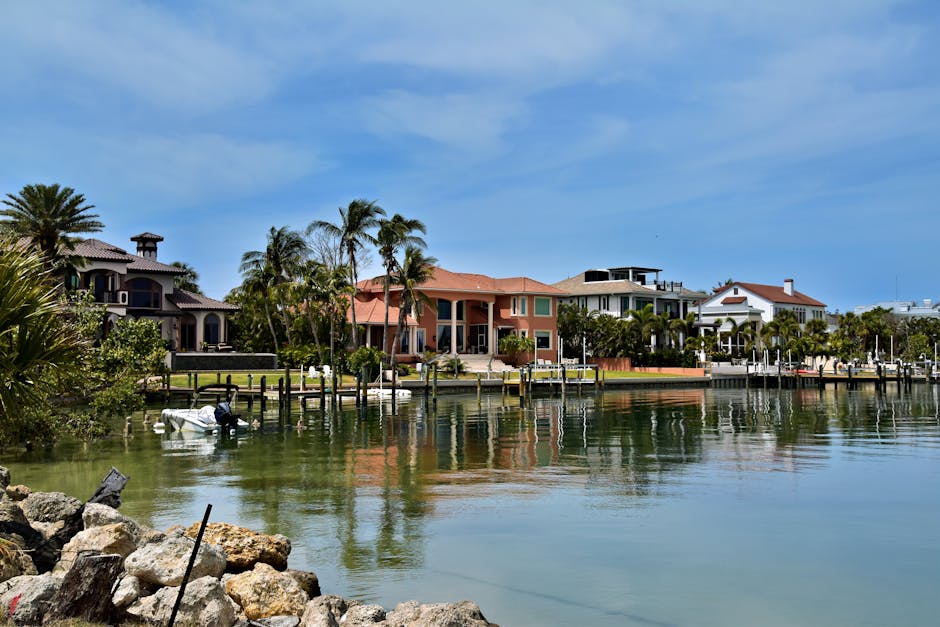
New Construction vs. Legacy Waterfront Estates
The decision between a newly minted architectural statement and a legacy estate involves a complex trade-off between immediate utility and historical site value. In the current market, we are seeing a premium placed on “new-build” security, particularly with properties that incorporate the latest in storm-resilient engineering and smart-home integration. For instance, the emergence of newly built luxury townhomes in Tampa’s south end highlights a trend toward low-maintenance, high-finish living that appeals to the seasonal resident or the professional seeking proximity to the Westshore business district.
Legacy estates, conversely, offer something that cannot be replicated: premier lot placement and mature canopy environments. Properties along Gardner Road or within established coastal strips often command a significant portion of their value from the land itself. When comparing these two paths, the advisor’s role is to quantify the cost of modernization for legacy assets against the immediate depreciation curve of a new construction home. Buyers must weigh the benefits of a turnkey experience against the intrinsic value of a 100-foot wide waterfront lot in a deed-restricted community.
Current market behavior suggests that the most successful acquisitions in 2025 and early 2026 have been those where the buyer prioritized the “building envelope” and site elevation. With an average list price now exceeding $3.2 million, the margin for error in site selection has narrowed. Investors are encouraged to look beyond aesthetic finishes—which can be modified—and focus on the permanent variables of location, riparian rights, and neighborhood density. This analytical approach ensures that the acquisition remains a liquid asset should a transition be required in the next five to seven years.
The Rise of Early-Stage Luxury Condominiums
A frequent inquiry from high-net-worth individuals involves the shift from traditional single-family estates to vertical luxury living. Traditionally, the Gulf Coast was dominated by mid-tier developments, but we are now seeing the maturation of the high-end condo sector. Industry experts suggest that Tampa remains an early-stage luxury condo market, offering a unique window for those seeking a primary residence with concierge-level services. This stage of the market is characterized by larger floor plans and a focus on wellness-centric amenities that rival the most prestigious buildings in Miami or New York.
The appeal of the luxury condo in 2026 is rooted in the “lock-and-leave” security it provides. For the global citizen, the ability to secure a residence with 24-hour security and professional management is a prerequisite. These developments are often situated at the intersection of cultural hubs, providing immediate access to the Water Street district and the evolving Riverwalk extension. The valuation of these units is increasingly tied to the quality of the building’s common spaces and the exclusivity of the resident community, rather than just the square footage of the individual unit.
Investors should note that the early-stage nature of this market provides an opportunity to capture value before the full realization of downtown’s master plan. However, due diligence in this sector must be rigorous. Analyzing the developer’s track record, the percentage of owner-occupancy, and the long-term stability of the HOA reserves is critical. In a city where vertical living is still finding its ceiling, selecting a building with a clear identity and a commitment to high-service standards is the most effective way to ensure long-term appreciation.
Critical Due Diligence for 2026 Acquisitions
As the median list price hovers near $2.5 million, the necessity for forensic-level due diligence has increased. In the Florida market, this begins with a granular understanding of flood zone classifications and the impact of the latest building codes on insurance premiums. A sophisticated buyer does not merely look at the current policy but evaluates the long-term trajectory of carrying costs. This involves verifying the age of all major systems—specifically roofing and HVAC—and ensuring that any modifications to the property were performed with the appropriate municipal permits.
Beyond the physical structure, environmental due diligence is paramount. This includes assessing the health of seawalls for waterfront properties and understanding the implications of local zoning changes. Tampa’s growth has led to a re-evaluation of density in certain neighborhoods, and a private advisor will investigate whether a neighboring lot has the potential for future development that could impact privacy or view corridors. The goal is to eliminate surprises that could affect the enjoyment or the eventual exit price of the home.
Furthermore, the appraisal process in the luxury segment requires a nuanced understanding of comparable sales. Standard algorithms often fail to account for the qualitative differences between a designer-led renovation and a builder-grade update. We look at Tampa Bay’s most expensive luxury home sales to benchmark value, ensuring that our clients are not over-leveraged in a specific sub-market. By focusing on data-backed valuations and physical inspections, we provide a layer of protection that is essential for high-value transactions.
Essential Verification Checklist for High-Value Properties
- Confirm the elevation certificate and current flood zone status to determine long-term insurance feasibility.
- Audit the developer and general contractor’s history for any new construction or significant renovations within the last decade.
- Verify the status and structural integrity of seawalls and docks, including submerged land lease agreements if applicable.
- Analyze the local HOA or neighborhood association minutes for pending assessments or significant changes to deed restrictions.
- Review the recent sales of comparable properties within a two-mile radius to establish a realistic price-per-square-foot baseline.
Using this checklist ensures that the acquisition process remains objective. In the excitement of a high-end search, it is easy to overlook the technical variables that define a property’s true value. By methodically addressing each of these points, a buyer can move from initial interest to a firm commitment with the confidence that the asset has been thoroughly vetted.
Integrating Lifestyle Assets and Market Movement
The decision to invest in Tampa is often as much about lifestyle integration as it is about financial returns. The region’s cultural calendar has become a significant draw for high-net-worth individuals, offering a sophisticated array of events that rival larger metros. For example, the Tampa weekend events featuring concerts and downtown festivals provide a backdrop for the community-centric lifestyle many luxury buyers prioritize. This cultural density is a key factor in the sustained demand for housing in the city’s urban core.
Furthermore, unique international events, such as the Men In Blazers show and Premier League activities, signal Tampa’s growing status on the global stage. These events attract an affluent demographic that values both the climate and the cosmopolitan energy of the city. With clear skies and temperatures reaching the low 80s in mid-April 2026, the environment is ideal for those looking to transition from colder northern climates to a year-round outdoor lifestyle without sacrificing the amenities of a major city.
As we observe the market movement, it is clear that the buyers who are most satisfied are those who engage with the city’s pulse. Whether it is attending a blues festival or exploring the culinary scene in Hyde Park, the integration of one’s primary residence with the city’s social fabric is a hallmark of the modern luxury experience. This synergy between real estate and lifestyle is what continues to drive high-end migration to the Tampa Bay area, ensuring a steady stream of demand for the city’s most prestigious addresses.
Strategic Outlook for Florida Investors
As we look toward the remainder of 2026, the Tampa luxury market is positioned for continued stability. The influx of institutional and private capital has created a floor for valuations, while the limited supply of premier waterfront lots provides a ceiling that continues to rise. For the prospective buyer, the current environment requires a balance of patience and decisiveness. Identifying the right asset takes time, but the ability to move quickly when a property meeting all criteria becomes available is what separates the successful investor from the one left on the sidelines.
The key to success in this market is access to off-market inventory and a deep understanding of the subtle nuances that define each neighborhood. From the quiet streets of Beach Park to the high-energy developments in the Channel District, every area offers a distinct value proposition. By aligning your acquisition strategy with your long-term wealth goals and lifestyle requirements, you can ensure that your investment in Tampa real estate serves as both a sanctuary and a source of financial strength.
Success in the luxury tier is defined by the quality of the advice you receive and the depth of the research you conduct. Our role is to provide the analytical framework and local expertise necessary to navigate this complex market. To explore the current opportunities and receive a tailored assessment of the market’s most exclusive properties, we invite you to browse our current listings or contact a private advisor today to schedule a confidential consultation. Secure your position in one of Florida’s most dynamic and resilient luxury markets.
Your next move in Tampa luxury
Get current inventory, pricing guidance, and private-tour support from our brokerage team.
Source highlights
- Undisclosed Address, Tampa, US – Luxury Real Estate Listings for Sale – Mansion Global
- Tampa Bay’s most expensive luxury home sales of 2025 – Tampa Bay Times
- Tampa Bay luxury market grows stronger despite national declines – The Business Journals
- Newly Built Luxury Townhome in Tampa's South End Hits Market – National Today
- Why Tampa remains an early-stage luxury condo market – Tampa Bay Business & Wealth
- Inside Tampa’s $675 Million Surge: How the City Became Florida’s New Luxury Investment Capital – hauteresidence.com
- Tampa weekend events: Concerts, festivals and downtown family fun — What to know before you go – FOX 13 Tampa Bay
- Live Men In Blazers show adds to festive Premier League events in Tampa this weekend – That's So Tampa



