



The Institutional Shift: Tampa as a Primary Investment Capital
The Tampa luxury real estate sector has undergone a fundamental transformation, evolving from a regional interest to a global investment priority. While national markets have faced headwinds, the local landscape has seen a remarkable surge in capital inflow, recently marked by a $675 million influx into high-end developments. This movement is not merely a byproduct of general migration; it represents a calculated shift by institutional and private wealth seeking stability and long-term appreciation in one of Florida’s most resilient corridors.

Sophisticated buyers are increasingly viewing Tampa as a primary residence hub rather than a seasonal secondary market. This transition is evident in the quality of capital being deployed. According to recent reporting on Tampa’s investment capital surge, the city is effectively competing with traditional powerhouses like Miami and Palm Beach for ultra-high-net-worth attention. The focus has shifted toward high-end utility, where architectural integrity and location-specific advantages outweigh generic aesthetic appeal.
For the active buyer, understanding this institutional backing is critical. It provides a safety floor for valuations even during periods of broader economic volatility. As we move through the second quarter of 2026, the data suggests that the entry of institutional wealth has compressed capitalization rates while simultaneously driving up the standard for what constitutes a ‘luxury’ property. This is a mature market phase where decision-making must be backed by neighborhood-level data rather than broad metropolitan trends.
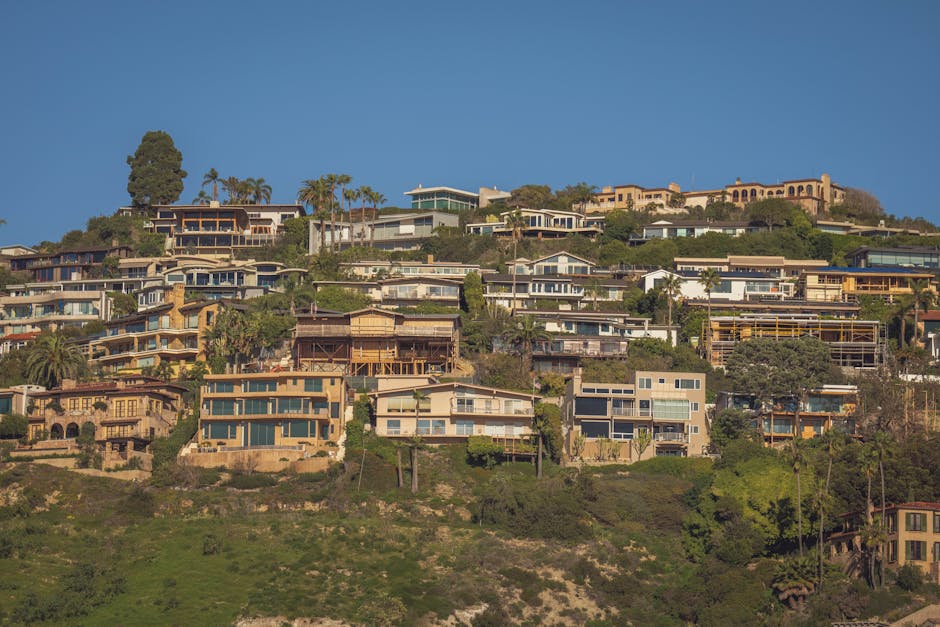
Inventory Equilibrium and the $2.5 Million Median list Price Floor
Currently, the luxury inventory in Tampa remains tightly managed, with approximately 120 active high-end listings on the market. This scarcity is a primary driver of the current median list price, which has stabilized near $2,499,000. For buyers, this means the ‘deal-hunting’ phase of the previous decade has been replaced by a search for quality and specific site advantages. Average list prices are hovering above $3.2 million, indicating that the top tier of the market is pulling the overall average upward as trophy assets continue to command significant premiums.
The current market movement shows a distinct preference for Residential and Land assets, particularly in established corridors like Gardner Road and Memorial Highway. Buyers are increasingly looking at land as a land-banking strategy or for custom-build projects that meet specific privacy requirements. This trend is highlighted by the growing strength of the Tampa luxury market despite national declines, showcasing the area’s relative immunity to standard inflationary pressures that have impacted more saturated markets.
Strategic advisors are noting that properties priced between $2.5 million and $4 million are seeing the highest velocity of movement. This ‘sweet spot’ represents the core of the luxury sector, where buyers are finding a balance between modern amenities and historical location value. Properties like the Troutwater Lane estates are typical of the inventory currently available, offering a mix of secluded privacy and rapid access to the cultural heart of the city.
Neighborhood Nuance: Comparing the South Tampa and Waterfront Corridors
Success in the Tampa market requires a granular understanding of neighborhood boundaries. South Tampa remains the anchor for affluent buyers, though the definition of ‘prime’ has expanded. The area’s unique geography—bounded by water on three sides—creates a natural ceiling on supply that preserves value. Acquisitions in areas like the South End are no longer just about the house; they are about securing a finite piece of some of Florida’s most coveted land. The recent entry of newly built luxury townhomes in these sectors has provided a sophisticated alternative for those seeking lower maintenance without compromising on finish or location.
Beyond the traditional South Tampa core, we are seeing significant movement in the northwestern corridors. Areas around Gardner Road are attracting those who prioritize larger lot sizes and privacy over immediate urban proximity. This ‘urban-suburban’ hybrid model is becoming a preferred choice for families relocating from higher-density cities. The behavior of these buyers is analytical; they are prioritizing school districts, commute times to private aviation hubs, and the long-term viability of the local infrastructure.
Waterfront assets, particularly those on the bay, continue to represent the pinnacle of the market. However, the criteria for these purchases have become more rigorous. Buyers are no longer satisfied with simple water views; they are demanding advanced structural resilience, modern dockage capabilities, and integrated smart-home technology that can withstand the coastal environment. This sophisticated demand is what keeps the high-end luxury listings in these areas moving at a steady pace.
Modern Architecture and the New Build Standard
The aesthetic of Tampa luxury is shifting away from the Mediterranean Revival of the early 2000s toward a more restrained, modern architectural language. We are seeing a significant premium placed on ‘New Construction’ or completely renovated assets that utilize industrial materials, floor-to-ceiling glass, and sustainable energy systems. This shift is partly driven by the desire for lower insurance premiums and better storm resistance, but it is also a reflection of a younger, more design-conscious buyer demographic entering the market.
According to the analysis of the most expensive sales of 2025, the top transactions almost exclusively featured modern builds or major historical renovations that incorporated contemporary tech. The market is effectively penalizing ‘dated’ luxury, creating a wider gap between turn-key assets and those requiring modernization. For a seller, this underscores the necessity of high-end staging and potentially pre-sale renovations to capture the top of the market.
For the buyer, this means that ‘value’ can often be found in the land or in older structures with significant architectural pedigree that have not yet been modernized. Strategic acquisitions on Memorial Highway or in the mature neighborhoods of South Tampa often involve a long-term plan for total site redevelopment. This foresight is what separates the casual investor from the seasoned advisor-led buyer.
Acquisitions Due Diligence: A Tactical Checklist
Navigating a high-value transaction in the current environment requires more than just a standard inspection. The complexity of Florida’s coastal and environmental regulations, combined with the nuances of high-end construction, necessitates a rigorous verification process before any commitment is made.
- Verify the structural elevation and flood zone status against updated 2026 maps to ensure long-term insurance stability.
- Audit the property’s ‘Smart Grid’ integration and backup power capabilities, which are now standard expectations in the $3M+ bracket.
- Review the neighborhood’s master plan and any pending zoning changes to ensure your privacy and view corridors remain protected.
- Investigate the developer’s track record for any new construction, focusing specifically on their history with coastal humidity management and window seals.
- Confirm the depth and permit status of any existing or planned dockage for waterfront properties to ensure compatibility with modern vessel drafts.
The Evolution of Vertical Luxury and Condo Markets
While Tampa has traditionally been a single-family home market, we are witnessing the maturation of the luxury condominium sector. Industry experts have often described Tampa as an early-stage luxury condo market, but that stage is rapidly closing. The introduction of high-rise living with full-service concierge and resort-style amenities is appealing to a segment of the market that values ‘lock-and-leave’ convenience and urban walkability.
This growth is centered around the downtown and Water Street corridors, where the integration of luxury living with commercial and cultural hubs is most pronounced. Buyers here are often downsizing from larger estates or seeking a pied-à-terre that offers immediate access to the city’s evolving dining and arts scene. The lifestyle synergy is real, as many high-net-worth individuals want to be close to the major concerts and festivals that have become a hallmark of Tampa’s cultural resurgence.
The valuation of these units is increasingly based on ‘amenity-density’—the number of high-end services provided within the building. From private screening rooms to on-site wellness centers, the standard for vertical luxury has never been higher. As more of these towers come online, we expect to see a continued influx of buyers from the Northeast and California who are accustomed to this style of living but are seeking the tax advantages and growth potential of the Florida market.
Strategic Timing: The Spring Window and Market Dynamics
As we navigate the current April climate—characterized by temperate 80-degree days and low humidity—the market typically sees its highest level of physical engagement. This is the optimal window for site visits and structural evaluations. The lack of rain allows for clear assessments of lot drainage and exterior integrity, which are vital components of any luxury acquisition strategy. Understanding these seasonal rhythms is part of a sophisticated approach to the local market.
Buyers should also be aware of the ‘lifestyle integration’ that happens during this period. Tampa’s social calendar is full, and many out-of-town investors use this time to gauge the long-term suitability of the city for their families. Whether it’s assessing the proximity to private clubs or understanding the local commute patterns during major events, this is the time to gather the qualitative data that spreadsheets can’t provide. The goal is not just to buy a house, but to secure a position within a community that aligns with your professional and personal trajectory.
The path forward in the Tampa luxury market is one of precision. With median prices holding firm and inventory remaining selective, the advantage goes to the buyer who is well-researched and ready to act on quality. Avoiding the hype and focusing on the fundamental drivers of value—location, build quality, and institutional capital movement—is the only way to ensure a successful acquisition in this high-stakes environment.
Navigating these complexities requires an advisor who understands the intersection of data and local nuance. To explore the most current opportunities in the market, we invite you to browse our curated luxury homes for sale or contact an advisor to discuss your specific acquisition criteria. Secure your position in Florida’s most promising luxury investment capital today.
Your next move in Tampa luxury
Get current inventory, pricing guidance, and private-tour support from our brokerage team.
Source highlights
- Undisclosed Address, Tampa, US – Luxury Real Estate Listings for Sale – Mansion Global
- Tampa Bay’s most expensive luxury home sales of 2025 – Tampa Bay Times
- Tampa Bay luxury market grows stronger despite national declines – The Business Journals
- Newly Built Luxury Townhome in Tampa's South End Hits Market – National Today
- Why Tampa remains an early-stage luxury condo market – Tampa Bay Business & Wealth
- Inside Tampa’s $675 Million Surge: How the City Became Florida’s New Luxury Investment Capital – hauteresidence.com
- Tampa weekend events: Concerts, festivals and downtown family fun — What to know before you go – FOX 13 Tampa Bay
- From Blues to BBQ: Tampa’s can’t-miss events this weekend – WMNF 88.5 FM



