


The Structural Shift in Tampa’s High-End Inventory
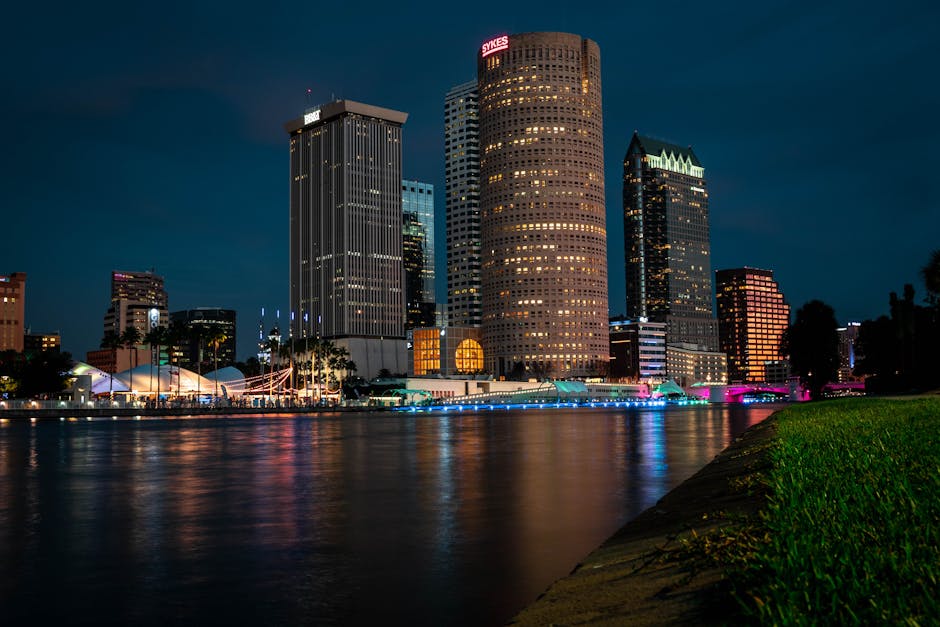
The Tampa luxury real estate sector is currently undergoing a fundamental transformation, transitioning from a regional interest to a primary national investment capital. Recent data indicates a significant surge in capital inflow, with reports highlighting a $675 million investment influx that underscores the city’s new status. For the private advisor and the sophisticated buyer, this represents a decoupling from broader national real estate trends. While other metropolitan areas experience inventory stagnation, Tampa’s high-end segment remains resilient, supported by a median list price of $2,499,000 and an average list price exceeding $3,200,000 across the top-tier neighborhoods.
This structural shift is driven by a distinct change in buyer demographics. We are seeing a move away from seasonal residents toward permanent, high-net-worth individuals who prioritize fiscal stability and infrastructure quality. The current inventory of approximately 120 active luxury listings reflects a market that is tightly held, where quality assets are traded with professional precision rather than emotional urgency. Understanding these metrics is essential for any participant looking to secure a position in a market that is no longer defined by its proximity to larger hubs, but by its own intrinsic value proposition and robust economic indicators.
As the market matures, the definition of luxury in the region has also shifted. It is no longer sufficient to simply offer waterfront access; the modern standard demands advanced construction resilience, integrated technology, and architectural significance. Buyers are increasingly scrutinizing the underlying fundamentals of a property, from its elevation certificate to the reputation of the developer. This analytical approach to acquisition ensures that the capital deployed in areas like South Tampa or Davis Islands is protected against short-term market volatility while benefiting from the sustained upward trajectory of the region’s luxury sector.
Geographic Premium: Neighborhood-Level Implications
In the current landscape, location remains the primary determinant of long-term value, yet the criteria for ‘prime’ locations have expanded. South Tampa continues to command a significant premium due to its established infrastructure and proximity to the city’s commercial core. We are observing a particular interest in newly built townhomes and estates that offer a turn-key solution for professionals moving from traditional financial centers. For instance, the recent market entry of high-end townhomes in the south end of the city illustrates the demand for density without compromising on the quality of finishes or privacy.
Davis Islands and Beach Park remain the benchmarks for residential stability. These areas benefit from a low turnover rate and a high concentration of custom-built estates that reflect the architectural heritage of the region. When evaluating properties in these enclaves, it is critical to compare the price-per-square-foot metrics against recent closed sales rather than active list prices. The $3.8 million Memorial Highway corridor and the $2.6 million Troutwater Lane developments serve as practical examples of how localized demand can drive pricing in specific micro-markets. These properties are often secured by buyers who have conducted extensive due diligence on neighborhood development plans and historical appreciation rates.
Furthermore, the emergence of the Westshore and Heights districts as luxury alternatives provides a different value profile. While these areas may not yet command the same historical prestige as the waterfront estates of South Tampa, they offer significant upside potential for early-stage investors. The integration of high-end retail and private social clubs in these districts is creating a self-sustaining ecosystem that appeals to a younger, more mobile demographic of affluent buyers. Navigating these neighborhood nuances requires a deep understanding of local zoning laws and future infrastructure projects that could impact property values over the next decade.
The Evolution of the Waterfront Condo Market
A notable trend in the 2026 market is the professionalization of the luxury condo segment. Historically, Tampa was viewed as a single-family home market, but it has quickly evolved into an early-stage luxury condo capital. This shift is fueled by the desire for managed services, enhanced security, and the amenities associated with high-rise living. For many affluent buyers, the trade-off between the maintenance of a sprawling waterfront estate and the convenience of a penthouse in the Water Street or Bayshore areas is becoming increasingly attractive.
The pricing for these units often rivals traditional residential estates, reflecting the high cost of vertical construction and the premium placed on unobstructed views of Hillsborough Bay. Prospective owners should look beyond the aesthetic appeal and investigate the financial health of the condominium association and the long-term maintenance schedule. In a climate where insurance costs are a persistent conversation, the structural integrity and wind-mitigation ratings of these high-rise buildings provide a level of predictability that is highly valued. The transition to condo living also reflects a broader lifestyle shift toward walkability and immediate access to the city’s cultural and culinary offerings.
When comparing condo options, the distinction lies in the service level and the exclusivity of the common areas. High-end developments are now offering private elevators, 24-hour concierge services, and climate-controlled storage for wine and art collections. This level of service is a requirement for buyers who are accustomed to the standards of New York or London. As the inventory of these prime units remains limited, early entry into new developments continues to be a strategic move for those seeking to maximize their equity position before the buildings reach full occupancy and secondary market premiums apply.
Key Considerations for the High-End Buyer
Successful acquisition in the current market requires a disciplined approach to due diligence. The complexity of Florida real estate necessitates a checklist that goes beyond the standard home inspection. Advisors now prioritize environmental factors and long-term sustainability as much as the interior aesthetic. For those looking to browse luxury listings, the following factors should be verified during the initial evaluation phase to ensure the asset aligns with a sophisticated investment strategy:
- Verification of the base flood elevation and the presence of impact-resistant glazing throughout the structure.
- A comprehensive review of the property’s historical insurance premiums and future insurability projections.
- Analysis of the local tax assessment and any potential adjustments following a change in ownership.
- Assessment of the construction materials, prioritizing reinforced concrete and advanced moisture barrier systems.
- Evaluation of the neighborhood’s master plan, including any planned commercial developments or infrastructure changes.
- Comparison of the property’s amenities against the current market standards for ‘A-grade’ luxury assets.
By focusing on these practical takeaways, buyers can differentiate between a property that is merely expensive and one that offers genuine long-term value. The goal is to identify assets that are resilient to both environmental and economic shifts. This level of detail is what separates a standard real estate transaction from a strategic wealth management decision. It is recommended to engage with a senior advisor early in the process to gain access to off-market data and neighborhood-level insights that are not available through public portals.
Regional Growth and Cultural Amenities
The value of real estate is inextricably linked to the vitality of its surrounding community. Tampa’s growth is supported by a robust calendar of cultural events and infrastructure improvements that enhance the daily experience of its residents. From high-profile festivals to private gallery openings, the city offers a level of engagement that rivals much larger metropolitan areas. For instance, the regional cultural and festival scene provides a backdrop of activity that drives demand for short-term and long-term residency alike.
These amenities are not just lifestyle benefits; they are economic drivers. A city that can successfully host major national events and support a thriving arts community is one that will continue to attract the corporate investment necessary to sustain high-end property values. We have observed that properties located within walking distance of these cultural hubs tend to appreciate at a faster rate than those in purely residential enclaves. The ongoing development of the downtown waterfront and the expansion of the riverwalk are primary examples of how public-private partnerships can create lasting value for nearby property owners.
Furthermore, the traffic and logistics of the region are managed with an eye toward future growth. While city officials occasionally expect heavy traffic during event-packed weekends, the overall infrastructure is being modernized to handle the influx of new residents. This proactive approach to urban planning is a key indicator for investors who are looking for a stable environment. A city that invests in its own infrastructure is a city that is committed to maintaining its status as a premier destination for luxury living and professional growth.
Comparing New Construction vs. Historic Preservation
A recurring decision for buyers in the Tampa market is the choice between the historic charm of an older estate and the technical superiority of new construction. Many of the most expensive sales of 2025 were split between meticulously restored Mediterranean Revivals and ultra-modern waterfront builds. Each offers a different risk-reward profile. Historic homes provide a sense of place and architectural integrity that is difficult to replicate, but they often require significant ongoing investment to meet modern standards of efficiency and resilience.
In contrast, new construction offers the peace of mind associated with current building codes and manufacturer warranties. The use of advanced materials such as cross-laminated timber or high-performance glass can significantly reduce long-term ownership costs. However, buyers should be wary of ‘spec’ builds that prioritize aesthetic trends over structural quality. It is important to review the developer’s portfolio and speak with previous clients to ensure that the craftsmanship meets the expected standard for a multi-million dollar asset. In many cases, the most successful properties are those that blend the timeless design of the past with the technological advancements of the present.
Ultimately, the decision should be guided by the buyer’s long-term objectives. For those seeking a primary residence with minimal maintenance, new construction is often the logical choice. For the collector who views a home as a piece of history, the restoration of a landmark estate in Hyde Park or on Bayshore Boulevard offers a unique opportunity for cultural stewardship. Regardless of the path chosen, the focus must remain on the quality of the execution and the sustainability of the materials used. In the luxury segment, there is no substitute for excellence in construction and design.
Strategic Timing in a Low-Inventory Market
With only 120 active luxury listings currently available, the market is characterized by a high degree of competition for the most desirable assets. Strategic timing is essential, but it should not be confused with rushing. A sophisticated buyer understands that the best opportunities often arise during periods of perceived transition. While the spring market is traditionally active, the current environment of low inventory means that high-quality properties are moved quickly regardless of the season. The ability to act decisively when a property meets all criteria is the hallmark of a successful participant in this market.
The current weather patterns, with clear skies and consistent temperatures in the upper 20s Celsius (80s Fahrenheit), provide an ideal window for property inspections and site visits. This physical interaction with a property is indispensable; one cannot fully appreciate the nuances of a site’s orientation or the quality of its natural light through digital renders alone. Furthermore, the local market’s strength, even amidst national declines in other sectors, suggests that the cost of waiting may exceed any potential benefit from future price adjustments. The wealth of the region is increasingly concentrated, and the demand for limited waterfront inventory continues to outpace supply.
To navigate this competitive landscape, it is imperative to have a clear understanding of your priorities and a pre-vetted team of professionals ready to execute. This includes legal counsel, specialized inspectors, and a real estate advisor who can provide access to the 15-20% of high-end transactions that occur off-market. By positioning yourself as a prepared and informed buyer, you can secure assets that others may miss. The maturation of Tampa into a premier luxury destination is a multi-year trend that is still in its early stages, providing a compelling window for those looking to build or expand their Florida real estate portfolio.
As the market continues to evolve, the importance of professional guidance and data-backed decision-making cannot be overstated. Whether you are seeking a vertical estate in a high-rise tower or a historic waterfront residence, the fundamentals of value remains constant: location, quality, and resilience. We invite you to explore the current market through our curated selection of properties and consult with our team to refine your acquisition strategy. To begin your search, view our current Tampa luxury listings or contact a private advisor today to schedule a confidential briefing on the latest market movements and off-market opportunities.
Your next move in Tampa luxury
Get current inventory, pricing guidance, and private-tour support from our brokerage team.
Source highlights
- Newly Built Luxury Townhome in Tampa's South End Hits Market – National Today
- Tampa Bay’s most expensive luxury home sales of 2025 – Tampa Bay Times
- Tampa Bay luxury market grows stronger despite national declines – The Business Journals
- Why Tampa remains an early-stage luxury condo market – Tampa Bay Business & Wealth
- Tampa Bay’s Waterfront Emerges as a Primary Luxury Real Estate Market – The National Law Review
- Inside Tampa’s $675 Million Surge: How the City Became Florida’s New Luxury Investment Capital – hauteresidence.com
- Things To Do In Tampa This Weekend: Best Festivals & Events Going On – That's So Tampa
- Tampa weekend events: Concerts, festivals and downtown family fun — What to know before you go – FOX 13 Tampa Bay



