


The Maturation of Tampa’s High-End Residential Sector
As we navigate the second quarter of 2026, the Tampa luxury real estate landscape has moved beyond the volatility of the early 2020s, settling into a phase of sophisticated stability. Current market data reveals a median list price of $2,499,000 for luxury inventory, a figure that reflects the city’s successful pivot from a secondary coastal market to a primary destination for national wealth. This evolution is driven by more than just appreciation; it is the result of a deliberate enhancement of infrastructure and lifestyle offerings that cater to the requirements of the global elite.
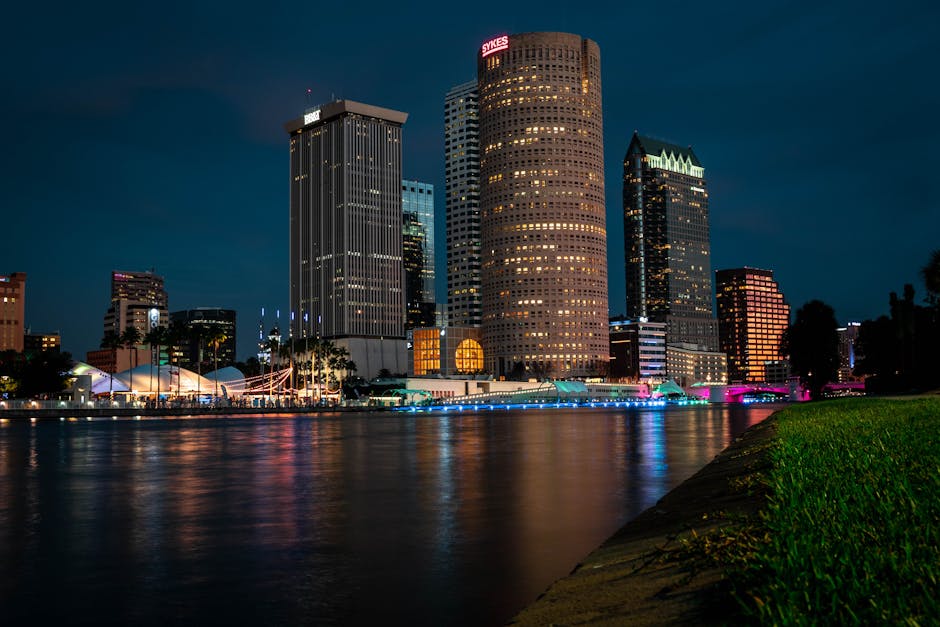
The current inventory of 120 active luxury properties represents a curated selection of high-value assets, ranging from historic estates in Old Northeast to modern architectural marvels along the waterfront. This concentration of value requires a more nuanced approach to valuation than in years past. Discerning buyers are no longer merely comparing price per square foot; they are evaluating the long-term viability of the immediate micro-neighborhood and the specific utility of the property’s site plan within the broader urban fabric of the city.
With an average list price reaching $3,261,429, the entry point for true luxury has solidified. This pricing equilibrium suggests that the market has correctly identified the premium associated with limited land availability, particularly in established corridors. We are seeing a distinct preference for properties that offer immediate residency without the delays of modern renovation cycles, a trend that is placing a significant premium on turn-key, recently completed estates that meet the latest standards in sustainable building and smart-home integration.
The regional shift is further highlighted by the entry of specialized high-end advisory teams, such as the Nick Janovsky Group, which underscores the increasing complexity of these transactions. This institutional-level expertise is necessary as the local market continues to attract institutional capital and high-net-worth individuals who demand a data-centric approach to real estate. The following sections will analyze the specific movements within the waterfront and newly built segments that are currently defining the local trajectory.
Waterfront as a Primary Residential Asset Class
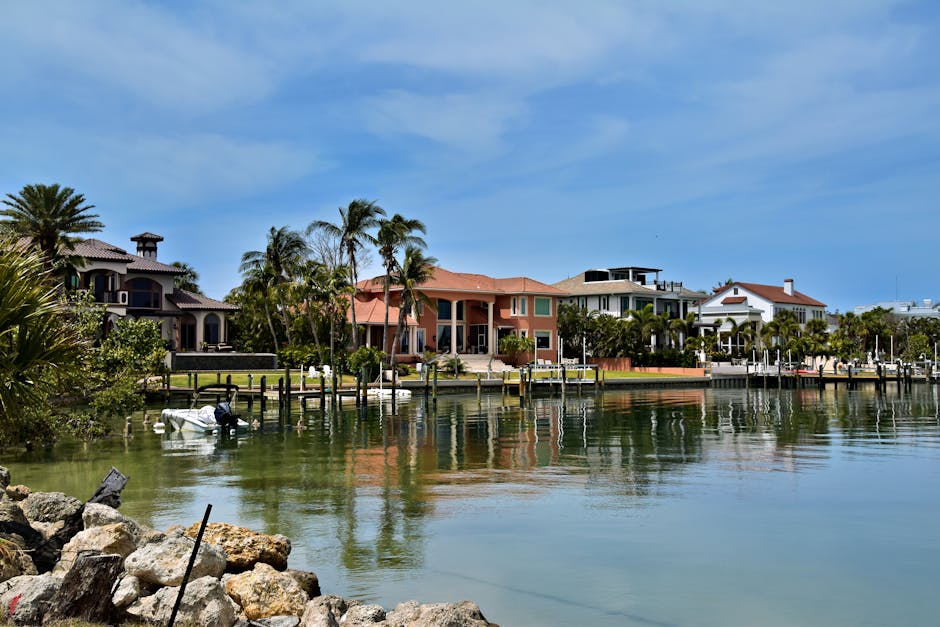
The most significant shift in the local market is the emergence of Tampa Bay’s waterfront as a primary market. Historically viewed as a vacation or secondary home destination, the coastline stretching from Davis Islands to Bayshore Boulevard is now functioning as the principal residence for a growing demographic of executives and entrepreneurs. This change is backed by substantial investments in coastal resiliency and the integration of these residential zones with the city’s commercial and cultural hubs.
Acquisitions along the water now demand a rigorous analysis of riparian rights and elevation strategies. Properties like those on Memorial Highway, currently valued near $3,800,000, demonstrate the premium placed on expansive lot sizes that provide both privacy and deep-water access. The market has moved toward a model where the site’s orientation and its capacity for large-vessel dockage are primary value drivers, often eclipsing the valuation of the structure itself. This trend is a hallmark of a mature waterfront market comparable to established enclaves in South Florida.
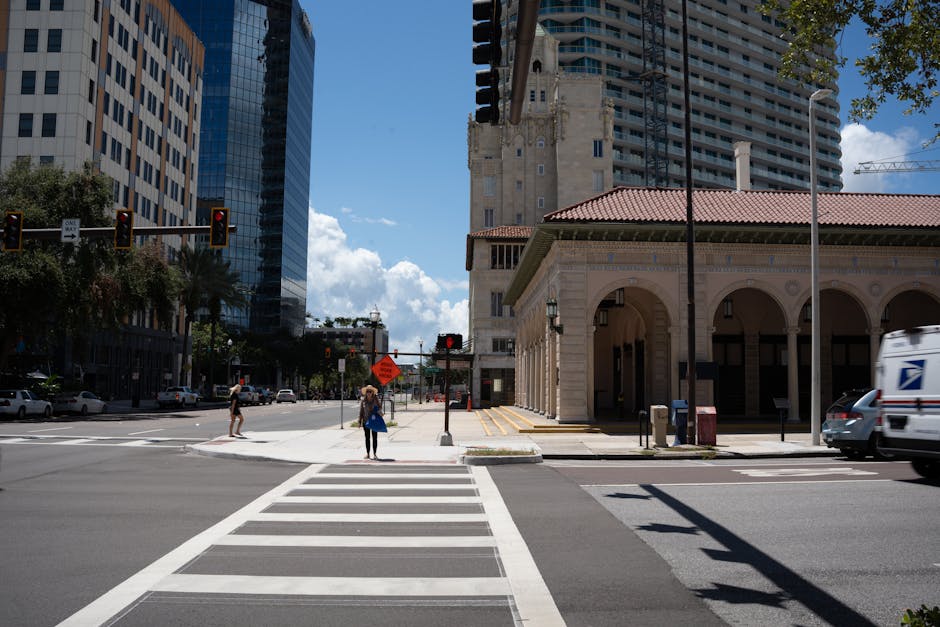
Strategic buyers are also focusing on the long-term impact of urban development on waterfront values. As the city continues to host major national events, city officials often manage heavy traffic and increased visibility, which further validates the desirability of these central luxury corridors. The ability to transition seamlessly from a private waterfront retreat to a major business engagement in Downtown Tampa remains the city’s strongest value proposition. This proximity ensures that waterfront assets remain liquid and highly sought after regardless of broader economic fluctuations.
Furthermore, the data from the most expensive home sales of 2025 indicates that buyers are willing to wait for the right combination of location and modern aesthetics. The patience shown by these affluent buyers suggests a market that is no longer driven by fear of missing out, but rather by a calculated desire for excellence. This shift allows for a more rational negotiation environment where quality and historical performance of the developer take center stage in the decision-making process.
Evaluating Newly Built Inventory in South Tampa
South Tampa continues to serve as the epicenter for new luxury development, particularly in the realm of high-end townhomes and custom single-family estates. A newly built luxury townhome in South Tampa hitting the market is a clear indicator of the density-driven luxury movement. These properties offer an alternative for those seeking the prestige of the neighborhood without the maintenance requirements of a multi-acre estate, focusing instead on internal architectural detail and premium finish levels.
When analyzing new construction, it is imperative to verify the developer’s track record and the quality of the building envelope. Modern buyers are prioritizing high-velocity hurricane glass, reinforced concrete structures, and advanced moisture-management systems. The aesthetics of 2026 are leaning toward clean lines, integrated indoor-outdoor living spaces, and kitchens that function as both culinary workspaces and social centerpieces. This focus on utility ensures that these homes remain relevant as the definition of modern living continues to evolve.
We are seeing particular interest in areas where custom builders are consolidating smaller lots to create rare, larger-scale residences. For example, properties on Gardner Road, listed around $3,000,000, exemplify this trend of creating significant estates in historically lower-density areas. This movement provides a buffer of privacy while maintaining the convenience of being minutes from the city’s core. It represents a strategic hedge for buyers who want the benefits of a modern build within an established, high-growth area.
Finally, the movement of luxury buyers into South Tampa is supported by the area’s continuous cultural growth. From festivals to high-end dining, the neighborhood’s amenities are keeping pace with its residential appreciation. This alignment of residential and commercial growth is a key indicator of a healthy luxury ecosystem. Buyers are encouraged to browse current listings to understand how these new builds are setting a new standard for the local market.
Strategic Acquisition Checklist
Before proceeding with a high-value acquisition in the current environment, an analytical review of the following factors is essential to ensure long-term value retention and lifestyle alignment.
- Verify structural certifications and elevation compliance with current coastal standards.
- Assess the potential for micro-neighborhood development that could impact privacy or views.
- Evaluate the property’s architectural rarity and its historical performance as an asset class.
- Analyze the integration of smart-home technology and its modularity for future upgrades.
- Confirm the presence of deed restrictions or neighborhood associations that may govern site use.
- Review the proximity to essential private infrastructure, including aviation hubs and medical facilities.
The Vertical Market: Luxury Condos in an Early-Stage Cycle
While the single-family market is mature, Tampa remains an early-stage luxury condo market. This segment offers the most significant potential for growth as the city’s skyline continues to transform. High-rise developments are increasingly focused on delivering a full-service lifestyle that mimics the amenities of a five-star hotel, catering to a demographic that values security and concierge-level service above all else. This vertical shift is central to the revitalization of the Downtown and Water Street areas.
The decision to move into a high-rise environment in Tampa should be based on a careful study of the building’s operational health and its long-term amenities. We are seeing a move toward larger floor plans that function more like traditional homes, with expansive terraces and private entryways. This ensures that the transition from a traditional estate to a condo does not require a compromise on living space or personal privacy. The early-stage nature of this market suggests that first-movers in premium buildings may find long-term advantages as the city’s density increases.
Investment in the condo sector is also a play on the city’s urban connectivity. As more corporate headquarters relocate to the region, the demand for high-end urban living is expected to remain consistent. This professional migration provides a reliable floor for property values and ensures a steady pool of potential buyers in the secondary market. Strategic advisors often recommend these assets for their liquidity and ease of management, particularly for those with a multi-city residential portfolio.
As the market matures, we expect to see even more specialized developments catering to specific lifestyle niches, from wellness-focused towers to those integrated with high-end sports and entertainment complexes. Monitoring the pace of these developments is crucial for timing an entry that maximizes both lifestyle utility and financial performance. This sector remains one of the most dynamic areas of the local real estate landscape, offering a different but equally compelling value proposition to traditional single-family estates.
Inventory Trends and Pricing Equilibrium
The current state of 120 active luxury listings provides a snapshot of a market in healthy transition. Rather than a surplus of inventory, we see a selection of properties that are being priced with high precision. Sellers have become more attuned to market realities, and the prevalence of unrealistic pricing has diminished significantly. This transparency benefits the sophisticated buyer, allowing for a more straightforward evaluation of value based on objective data and historical comparisons.
Market movement is currently characterized by a steady absorption of properties priced between $2.5M and $4M. Properties that linger on the market are typically those that lack modern updates or those located in areas with upcoming infrastructure challenges. According to data from the National Association of Realtors, the luxury segment often operates on its own cycle, less sensitive to interest rate fluctuations and more responsive to overall wealth creation and tax migration patterns. This is certainly the case in Tampa, where the influx of wealth remains the primary driver of demand.
We are also observing a strategic use of land as a store of value. Large parcels in established areas like Culbreath Isles or Beach Park are being held by long-term owners who recognize that land is the ultimate finite resource in a city bounded by water. This restricted supply ensures that even as new developments come online, the most prestigious addresses retain their exclusivity and their ability to command premium pricing. For the private investor, identifying these cornerstone properties is the key to building a resilient real estate portfolio.
Understanding these trends requires a high-level view of the city’s economic trajectory. The continuous influx of national and international buyers is creating a competitive environment for the highest-tier properties. As we look toward the remainder of 2026, the expectation is for a continuation of this balanced growth, with a focus on quality over quantity. Buyers who prioritize architectural integrity and site-specific advantages will be the best positioned to benefit from the city’s ongoing transformation.
Navigating the 2026 Selection Process
The successful acquisition of a luxury residence in the current market requires a blend of data-driven analysis and neighborhood-level intuition. Working with a private advisor who understands the subtle differences between South Tampa’s various pockets is essential. Whether evaluating a newly built townhome or a historic waterfront estate, the objective remains the same: to find a property that serves as both a sanctuary and a sound long-term investment. The current inventory provides ample opportunity for those who are prepared to act with precision.
As the city prepares for another event-filled season, the visibility of Tampa’s luxury corridors will only increase. This consistent attention serves to validate the decisions of early investors and provides a clear signal to those currently considering an entry. The market is no longer a secret, but its full potential is still being realized. Navigating this environment requires a commitment to due diligence and a clear understanding of one’s own lifestyle priorities and long-term goals.
The importance of professional guidance in these transactions cannot be overstated. From negotiating complex contracts to coordinating with specialized inspectors, the role of a senior buyer advisor is to mitigate risk and ensure a seamless transition into the local community. This level of service is the standard in a primary luxury market and is a reflection of the professionalism that now defines the local industry. Those looking to secure their place in the city’s future should prioritize these relationships as early as possible.
The 2026 market offers a unique window for the discerning buyer to acquire world-class assets in a city that is still actively defining its legacy. We invite you to explore the current selection of high-end residences and consider the strategic advantages of a Tampa acquisition. To discuss your specific requirements and gain access to off-market opportunities, please contact a private advisor today to begin your tailored search in the most prestigious corridors of the region.
Your next move in Tampa luxury
Get current inventory, pricing guidance, and private-tour support from our brokerage team.
Source highlights
- Newly Built Luxury Townhome in Tampa's South End Hits Market – National Today
- Sarasota developer proposes 300 single-family homes in Lakewood Ranch – The Business Journals
- Tampa Bay’s most expensive luxury home sales of 2025 – Tampa Bay Times
- Tampa Bay’s Waterfront Emerges as a Primary Luxury Real Estate Market – The National Law Review
- New Signature Real Estate Team Emerges Across Tampa Bay: The Nick Janovsky Group Launches with Premier Sotheby’s International Realty – citybiz
- Why Tampa remains an early-stage luxury condo market – Tampa Bay Business & Wealth
- Things To Do In Tampa This Weekend: Best Festivals & Events Going On – That's So Tampa
- City officials expect heavy traffic in Tampa amid an event-packed weekend – wtsp.com



