


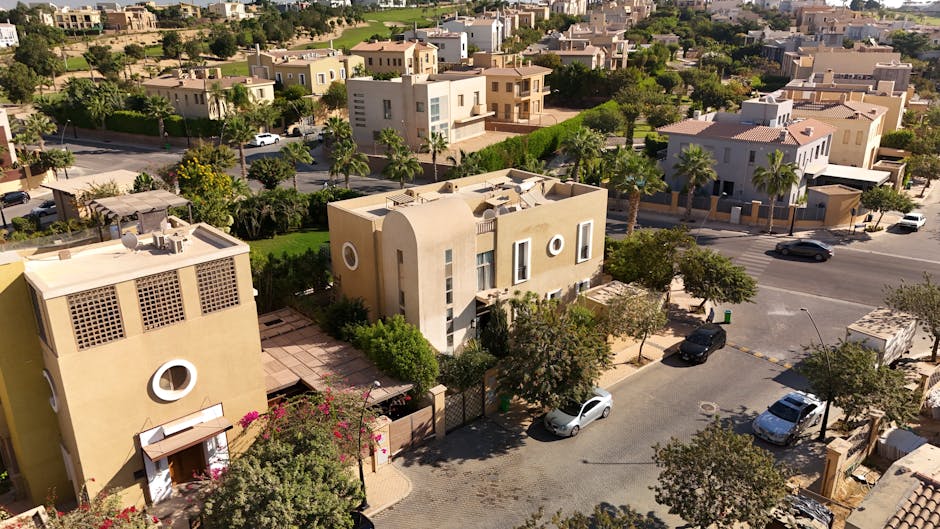
Tampa luxury buyers are shopping in a narrower market than it appears
Tampa’s luxury inventory is active, but it is not broad in the way larger coastal markets are broad. The current snapshot shows roughly 120 active luxury listings, with a median asking price just under $2.5 million and an average above $3.2 million. That spread matters. It tells you the top end is pulling the average up, while most serious buyers are still making decisions in a tighter band where product quality, lot profile, and exact location drive value faster than headline price.
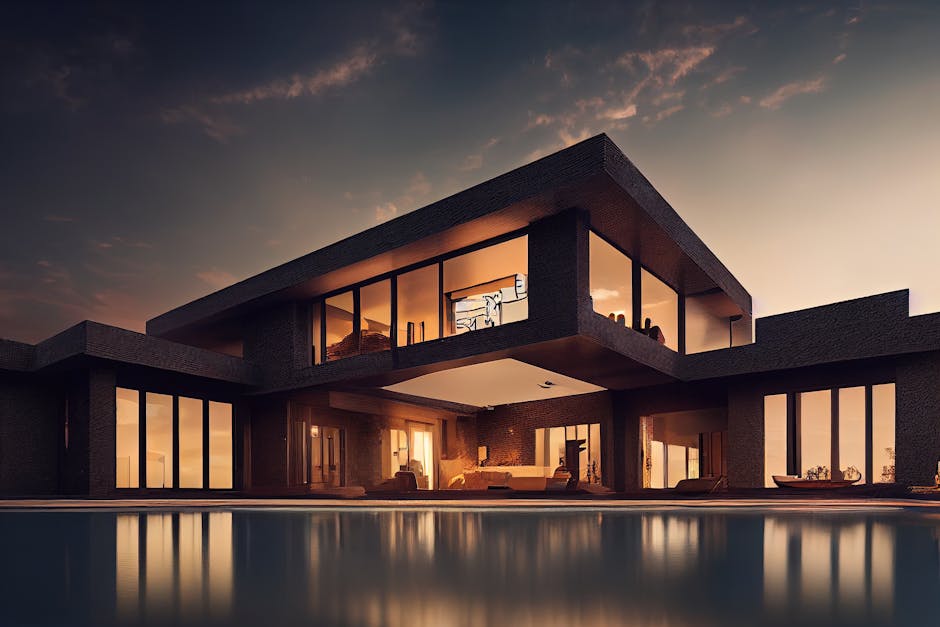
That is why affluent buyers in Tampa need to compare properties as categories, not just as listings. A new waterfront house in Davis Islands competes differently than a larger inland estate in South Tampa, and both behave differently from a high-floor condo in Water Street or Harbor Island. If you treat all luxury inventory as one pool, you will miss the reasons one home moves quickly while another sits.
Local momentum supports that point. Recent reporting from the Tampa Bay Times on major luxury sales showed the market still clearing at meaningful price points when the location and property profile align. The lesson is not that every premium listing will trade well. The lesson is that buyers will pay decisively for the right asset, and hesitate when the risk-adjusted value is unclear.
Neighborhood choice should come before finish selections
In Tampa, the first decision is not marble versus limestone or whether the kitchen was remodeled last year. It is where you want your time to be spent. Bayshore and Palma Ceia appeal to buyers who want established residential character, quick access to private schools, and a polished South Tampa rhythm. Davis Islands attracts buyers who value bay access, a club-like feel, and a more visibly coastal identity. Hyde Park offers walkability and social convenience, while Downtown and Water Street serve buyers who prioritize service, security, and a lock-and-leave format.
Each area also carries a different resale audience. That matters even if you intend to hold long term. A house that feels highly personal on a difficult lot may still satisfy your immediate needs, but narrower resale appeal becomes expensive when the next buyer pool is limited. In contrast, a well-positioned property near Bayshore, Palma Ceia, or Davis Islands often commands stronger attention because the buyer story is easier to understand.
There is also a product shift worth watching. Coverage on Tampa’s evolving condo segment from Tampa Bay Business & Wealth underscored that Tampa is still relatively early in its luxury condo maturation. That creates opportunity, but it also means buyers should be precise about building quality, services, reserves, views, parking, and long-term desirability instead of assuming every new tower carries the same status or staying power.
On waterfront and near-water property, verify risk before you negotiate
In Tampa, water is both amenity and exposure. Buyers are often drawn to open bay views, canal frontage, boating access, and the architectural presence that comes with a waterfront address. All of that is legitimate. What is not prudent is assuming that a polished renovation or attractive staging tells you enough about the property’s true resilience.
Flood exposure, elevation history, drainage behavior, seawall condition, and evacuation status deserve direct verification. The City of Tampa’s flood information resources and property tools are useful starting points, and FEMA’s flood map guidance helps clarify how official flood risk is assessed. Tampa also makes an important distinction between flood zones and evacuation zones, which many buyers understandably blur. They are not the same issue, and both affect ownership experience.
This is where experienced buyer representation matters most. Two homes on the same street can carry different practical risk because of grade, drainage patterns, prior improvements, or how the lot meets the road and water. Waterfront value should be judged on usable enjoyment and manageable risk together. If one property gives you slightly less spectacle but materially better resilience and easier insurability, that may be the stronger luxury purchase.
A premium search should include a disciplined mid-process reset
By the time you have toured several serious options, pause and compare them against the same decision frame. Tampa buyers often move fastest when they stop asking which property feels most impressive on first showing and start asking which one remains persuasive after scrutiny. That is especially important in a market where some inventory is aspirationally priced and some inventory is quietly well-positioned.
Use a checklist that forces clean comparisons across neighborhoods and property types:
- Compare land value, privacy, and street presence separately from the house itself.
- Verify flood, drainage, and evacuation information before debating cosmetic upgrades.
- Review renovation quality with attention to windows, roofing, mechanical systems, and seawall or dock condition where relevant.
- Measure daily friction: school run, airport access, club access, walkability, and traffic at the hours you will actually travel.
- For condos and townhomes, study building reserves, management quality, parking, service levels, and future supply nearby.
- Ask whether the property would still attract a strong buyer pool if you needed to resell in a less forgiving market.
That reset removes noise. It keeps you from overpaying for fresh finishes on an inferior site, and it helps you recognize when a less theatrical property is actually the more sophisticated acquisition.
New construction, condos, and townhomes require different standards
Tampa’s luxury buyer is seeing more variation in product than a few years ago. There are estate homes on established streets, modern custom builds, boutique townhomes in South Tampa, and an expanding set of higher-end condo options. Each can work well, but each should be evaluated on its own operating logic.
With new construction, the question is not simply whether the home is new. It is whether the architecture fits the site, whether the floor plan will age well, and whether the build quality is visible beneath the finishes. A newly marketed South End townhome covered by National Today is one example of how developers are continuing to chase demand for lower-maintenance luxury product in core Tampa locations. That can be attractive for buyers who want quality and convenience without a full estate footprint.
With condos, service quality and governance are part of the asset. The right building can deliver discretion, security, and ease. The wrong one can feel expensive in ways that do not add value. Buyers should look closely at the building’s reserve posture, management responsiveness, guest policies, amenity wear, and the likelihood of competing future supply. Tampa is still defining its top condo tier, so building selection is often more important than unit finishes alone.
The strongest buyers watch how Tampa actually lives, not just how it lists
Luxury real estate is partly about architecture and partly about pattern of life. In Tampa, that pattern is visible in where owners spend weekends, where clients entertain, and which districts remain active beyond a single season. Local events are not a substitute for market analysis, but they do reveal which submarkets carry durable social gravity. A city that keeps drawing residents into its urban core and cultural calendar tends to reinforce demand around the neighborhoods that support that rhythm.
Recent event coverage from WMNF’s Tampa Bay weekend guide and Axios Tampa Bay’s Pride of Tampa roundup is a reminder that lifestyle demand in this market is tied to actual use of place: Water Street, Downtown, the Riverwalk, Ybor, Bayshore, and nearby hospitality corridors all shape what buyers perceive as convenient, current, and socially relevant.
For sellers, that means positioning should emphasize how a property fits real Tampa buyer behavior, not generic luxury language. For buyers, it means filtering choices through a more serious question: which property will still make sense after the novelty wears off? The answer usually combines location discipline, verified risk, functional design, and a resale story that another sophisticated buyer will understand immediately.
If you are weighing a move in Tampa’s upper tier, start with the properties that justify attention on fundamentals, not marketing. Browse our current luxury listings, then contact an advisor for a discreet review of the neighborhoods, product types, and tradeoffs that matter before you write or reprice.
Your next move in Tampa luxury
Get current inventory, pricing guidance, and private-tour support from our brokerage team.
Source highlights
- Newly Built Luxury Townhome in Tampa's South End Hits Market – National Today
- Tampa Bay’s most expensive luxury home sales of 2025 – Tampa Bay Times
- Sarasota developer proposes 300 single-family homes in Lakewood Ranch – The Business Journals
- Jennifer Zales Unveils Venetian Isles Waterfront Luxury Now Offered At A New Price – Haute Living
- Why Tampa remains an early-stage luxury condo market – Tampa Bay Business & Wealth
- New Signature Real Estate Team Emerges Across Tampa Bay: The Nick Janovsky Group Launches with Premier Sotheby’s International Realty – citybiz
- LIST: Easter events taking over Tampa Bay this weekend – wtsp.com
- Things to do with kids this weekend in Tampa, FL – That's So Tampa



